Neurological Disease GuiDE Reviewed by a physician

Regenerative Medicine for Traumatic Brain Injuries

Verified
Written by Usama As the Editor of Global Stem Cell Therapy, I provide trusted, research-based information on stem cell treatments worldwide. With over a decade of experience in medical tourism, I guide patients toward safe, effective, and affordable therapies.
Medically reviewed by Dr. Alejandro Fernando, MD, PhD Stem Cell Therapy, Longevity & Regenerative Medicine Specialist
Last updated July 25, 2023
Read time 3 minutes
In this guide

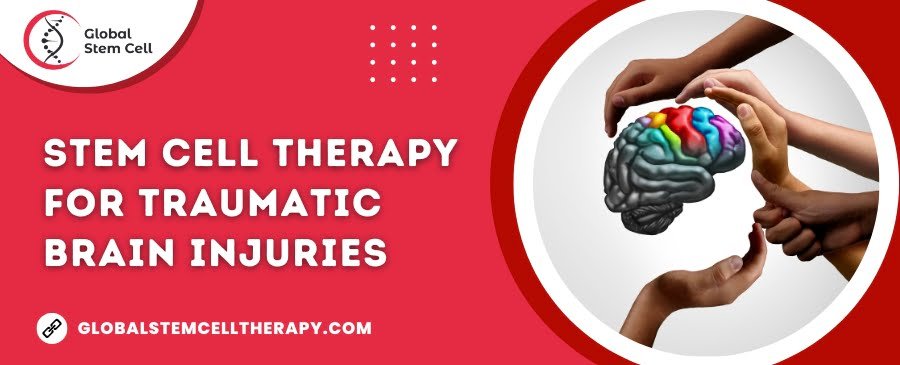
Stem Cell Therapy for Traumatic Brain Injuries

Stem Cell Therapy for Traumatic Brain Injuries

Traumatic brain injuries (TBI) are a major cause of death and disability worldwide. TBI can lead to a wide range of symptoms, including cognitive impairment, memory loss, and mood changes, as well as physical symptoms like paralysis and seizures. Despite advancements in medical care and rehabilitation, there is still no cure for TBI, and many patients experience long-term or permanent disability.

However, in recent years, stem cell therapy has emerged as a promising treatment option for TBI. Stem cells are unique in that they have the ability to differentiate into various cell types, including nerve cells, and can potentially replace damaged cells in the brain. This can result in improved brain function and a reduction in symptoms.

Types of Stem Cells Used in TBI Therapy

There are two main types of stem cells used in TBI therapy: embryonic stem cells and adult stem cells. Embryonic stem cells are pluripotent, meaning they have the ability to differentiate into any type of cell in the body. Adult stem cells are found in different tissues and organs and are more limited in their differentiation potential. Both types of stem cells have shown promise in animal studies, but more research is needed to determine their safety and efficacy in humans.

How stem cell therapy helps to treat Traumatic Brain Injuries?

Stem cell therapy for traumatic brain injuries (TBI) works by promoting the regeneration of damaged cells in the brain. The goal is to replace the damaged cells with new, healthy cells to improve brain function and reduce symptoms.

When stem cells are infused into the bloodstream or directly implanted into the brain, they have the ability to differentiate into various cell types, including nerve cells. This can result in the creation of new cells in the brain, which can then help to repair the damage caused by TBI.

Benefits of Stem Cell Therapy for TBI

One of the benefits of stem cell therapy for TBI is its non-invasive nature. In some cases, stem cells can be infused into the bloodstream, where they can then migrate to the site of injury and differentiate into new cells. In other cases, stem cells can be directly implanted into the brain. In both cases, the goal is to promote the regeneration of damaged cells and improve brain function.

Despite its potential benefits, stem cell therapy for TBI is still in the early stages of development, and there is limited evidence on its safety and efficacy in humans. In addition, there are many factors that can affect the outcome of stem cell therapy, including the type of stem cells used, the method of delivery, and the stage of the injury.

Overall, stem cell therapy offers a promising new approach to treating TBI and its associated symptoms. However, more research is needed to fully understand the benefits and risks of this treatment and to determine its safety and efficacy in humans. If you or a loved one is suffering from TBI, it’s important to work with a doctor or specialist to determine the best course of action, which may include a combination of traditional medical treatments and alternative therapies like stem cell therapy.

For more details about Stem Cell Therapy for Traumatic Brain Injuries and stem cell clinics, Contact us today:


Contact us

Review record Current
How this article was checked
Reviewed by
Dr. Alejandro Fernando Stem Cell Therapy, Longevity & Regenerative Medicine Specialist
Review date
July 28, 2023
Evidence basis
Peer-reviewed literature & clinical guidance
ARTICLE NAVIGATION
In this guide

Request treatment information

Tell us what you are trying to find out. A coordinator replies with information — not a diagnosis.

Submitted over a secure connection
No cost and no obligation to proceed
Typical reply within one business day
Accountability

Who stands behind this article

Health content should never be anonymous. Here are the people who wrote and checked it, with credentials you can verify independently.

Article written by

Usama

As the Editor of Global Stem Cell Therapy, I provide trusted, research-based information on stem cell treatments worldwide. With over a decade of experience in medical tourism, I guide patients toward safe, effective, and affordable therapies.

This author specializes in global healthcare trends and medical education. By focusing on evidence-based practices and a patient-first approach, they provide accessible resources to help readers navigate their international treatment options with clarity.

Editorial focus Stem cell therapy, regenerative medicine and patient education
Content approach Research-informed, understandable and non-promotional
Medically reviewed by
Dr. Alejandro Fernando

Dr. Alejandro Fernando

Stem Cell Therapy, Longevity & Regenerative Medicine Specialist

Dr. Alejandro Fernando is a Mexico City-based physician and medical content reviewer focused on stem cell therapy, regenerative medicine, cellular therapy and longevity medicine. His reviewer profile lists medical and postgraduate training related to regenerative medicine, cellular therapy and stem cell biology.

Doctor of Medicine PhD in Regenerative Medicine & Cellular Therapy Stem Cell and Regenerative Medicine Mexico City, Mexico English and Spanish
View medical reviewer profile
Ministry-licensed facilitiesLicence numbers published
Board-certified physiciansRegistrations verifiable
Independent lab verificationThird-party testing
Editorially reviewed contentSources cited on every page
Keep reading

Related patient guides

More guides written and reviewed to the same standard.

Stem cell therapy for autism in Tijuana Mexico provides regenerative treatment for ASD with experienced specialists accredited clinics and lower costs.
Stem cell treatment for autism in Tijuana Mexico offers regenerative therapy at accredited clinics with experienced specialists and lower treatment costs.
Stem cell therapy for Parkinson disease in Tijuana Mexico supports neurological regeneration and motor function with advanced regenerative medicine care.
GSC Logo X
send