Stem cell treatment for traumatic brain injury in Mexico involves administering specialized cells that may help modulate neuroinflammation and support cellular repair in the brain. Patients choose this destination to access advanced regenerative protocols at lower costs while receiving care in modern clinics. Always verify the facility holds proper government certifications.
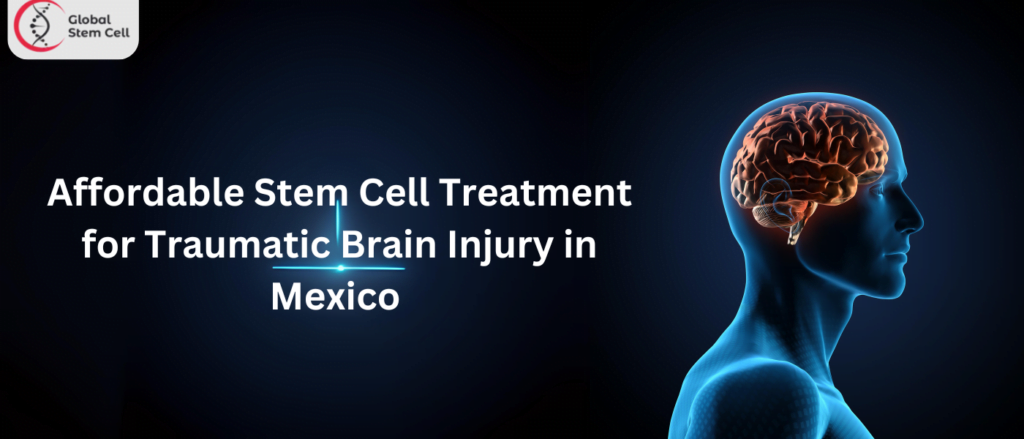
Navigating options for brain trauma recovery is a challenging journey for many families seeking alternative healing methods. Choosing stem cell treatment for traumatic brain injury in Mexico provides access to innovative regenerative therapies at highly competitive prices compared to North American healthcare systems. When evaluating your medical journey you must research total costs and verify that facilities hold strict COFEPRIS medical licenses to ensure patient safety. You can easily compare Stem Cell Therapy Centers in Mexico or explore inclusive Stem Cell Therapy Packages in Mexico to make a well informed healthcare decision.
Quick Summary
- Estimated procedures range from $5000 to $12000 depending on the specific protocol
- Ideal candidates are those with stable neurological conditions seeking supportive therapies
- Initial recovery requires several days of rest followed by long term rehabilitation
- Patients travel primarily to access regulated therapies unavailable or too expensive at home
- Verify that your chosen clinic possesses an active COFEPRIS regenerative medicine license
- Results vary widely and stem cell therapy is not considered a guaranteed cure
Understanding Stem Cell Treatment for Traumatic Brain Injury in Mexico
Families dealing with the long term effects of a traumatic brain injury often seek out comprehensive therapies when traditional rehabilitation plateaus. Stem cell therapy has emerged as a supportive approach aiming to improve the structural and functional outcomes in damaged brain tissue. The core concept relies on introducing specialized cells into the body to target neuroinflammation and encourage the release of growth factors.
While this procedure remains largely experimental in many parts of the world, Mexico has established a regulatory framework that allows licensed clinics to offer these therapies safely. Many international patients travel south to access protocols that are scientifically grounded yet more accessible. Before embarking on this medical journey, it is vital to understand that this treatment supports healing but does not instantly reverse severe neurological damage.
Medical Note: Stem cells are believed to cross the blood brain barrier to exert neuroprotective effects, but this therapy should always be combined with ongoing physical and cognitive rehabilitation for the best chance at functional improvement.
Why Patients Choose Mexico for Traumatic Brain Injury Care
The decision to pursue medical treatment abroad is significant, especially for a complex condition like a traumatic brain injury. Mexico has become a primary destination due to its proximity to the United States and Canada, allowing for relatively short and stress free travel. Patients and their caregivers find this proximity invaluable when navigating physical limitations associated with brain injuries.
Furthermore, the country features modern facilities operating under national guidelines tailored for advanced therapies. Certified Mexican specialists frequently collaborate with international researchers to implement updated protocols. The reduced overhead costs in the Mexican healthcare system also translate to significant financial savings without sacrificing medical hygiene or compassionate patient care.
Primary Benefits
- Significantly lower treatment costs
- Short travel distance from North America
- Access to COFEPRIS regulated facilities
- Experienced bilingual medical staff
Important Considerations
- Requires extensive pre travel medical clearance
- Results are not guaranteed
- Follow up care must be coordinated back home
- Caregivers must accompany the patient
Patient Demographics for Regenerative Medicine in Mexico
Understanding who travels for this procedure provides helpful context for families considering their options. Recent data from 2024 and 2025 highlights a steady increase in international patients seeking specialized care for neurological conditions in Mexico. The majority of these patients originate from the United States, Canada, and various European nations where wait times or regulatory hurdles limit immediate access to alternative treatments.
Patient populations vary widely in age, reflecting the diverse causes of traumatic brain injuries ranging from sports accidents in younger individuals to falls in older adults. Caregivers play an essential role in this demographic, typically organizing the medical travel logistics on behalf of the patient.
Source: Mexican Healthcare Travel Analysis Board Medical Tourism Volume Report 2026.
Source: Global Regenerative Medicine Demographics Registry Data 2025.
Estimated Costs of Stem Cell Therapy in Mexico
Financial transparency is critical when planning medical travel. The total investment for this treatment varies based on the severity of the neurological condition, the number of cell applications required, and the specific clinic chosen. Medical facilities in popular locations like Tijuana, Cancun, and Guadalajara often provide all inclusive packages designed for international visitors.
These comprehensive packages usually include the laboratory preparation of cells, medical consultations, ground transportation, and sometimes local accommodation. However, you must carefully review what is excluded from these quotes, such as specialized imaging scans or prolonged hospital stays in the event of an unexpected medical complication.
| Treatment Component | Estimated Cost in USD |
|---|---|
| Initial Medical Consultation and Diagnostics | $300 to $800 |
| Standard Stem Cell Infusion Protocol | $5,000 to $8,500 |
| Advanced Protocol with Multiple Injections | $8,500 to $12,000 |
| Post Procedure Medications and Supplements | $200 to $500 |
| Ground Transportation and Logistics | $150 to $400 |
Cost Comparison for Traumatic Brain Injury Treatments Globally
To fully appreciate the financial benefits of seeking treatment in Mexico, it helps to compare these estimates with other popular medical tourism hubs and domestic pricing. In the United States, patients may face out of pocket costs that vastly exceed international options, largely because insurance companies do not typically cover investigational therapies.
Mexico maintains a competitive edge by keeping administrative overhead low while operating modern laboratory facilities. The tables below demonstrate the broad pricing spectrum you might encounter when researching global options. Keep in mind that exact costs fluctuate based on currency exchange rates and the individual medical needs of the patient.
| Country Destination | Estimated Total Cost Range in USD |
|---|---|
| United States | $15,000 to $35,000 |
| Mexico | $5,000 to $12,000 |
| Panama | $18,000 to $28,000 |
| Colombia | $6,000 to $11,000 |
| Thailand | $12,000 to $22,000 |
Types of Stem Cells Used for Brain Injuries
Not all regenerative treatments utilize the same biological materials. When discussing stem cell treatment for traumatic brain injury in Mexico, doctors typically focus on Mesenchymal Stem Cells sourced from ethically donated umbilical cord tissue. These cells are celebrated for their strong immunomodulatory properties and their ability to multiply rapidly in laboratory settings.
Some clinics may also offer autologous treatments, which use cells harvested from the patient’s own bone marrow or adipose fat tissue. However, for neurological applications, umbilical cord derived cells are often preferred due to their high vitality and lower risk of triggering an adverse immune response. Always ask your physician which cell type is best suited for your specific diagnosis.
| Stem Cell Source | Description | Common Application for TBI |
|---|---|---|
| Umbilical Cord Tissue | Ethically sourced from healthy donors post birth | Highly preferred due to robust anti inflammatory properties |
| Bone Marrow Aspirate | Extracted directly from the patient hip bone | Sometimes used but requires invasive extraction |
| Adipose Tissue | Derived from the patient body fat | Less commonly used for neurological conditions |
How Stem Cells Target Brain Inflammation and Repair
The biological mechanisms behind this therapy are complex but fundamentally aimed at creating an optimal environment for the brain to heal itself. Following a traumatic injury, the brain often remains in a chronic state of inflammation, which prevents natural cellular repair. Stem cells can release exosomes and specialized proteins that signal the body to reduce this damaging inflammation.
Additionally, these treatments may promote angiogenesis, which is the formation of new blood vessels. Improved blood flow ensures that damaged areas receive vital oxygen and nutrients. While stem cells do not magically replace dead brain cells, their signaling abilities play a crucial role in preventing further neuronal death.
Biological Healing Sequence
- Step 1: Introduction of cells into the bloodstream or spinal fluid
- Step 2: Migration of cells to the site of neural injury
- Step 3: Release of anti inflammatory cytokines
- Step 4: Stimulation of local tissue repair mechanisms over several months
Who Is an Ideal Candidate for This Procedure
Identifying the right candidate is a strict medical process. Reputable clinics will never accept a patient without a comprehensive review of their medical records. The ideal candidate is typically someone who has passed the acute phase of their injury, meaning their neurological status is stable and not actively deteriorating. They should also be free of active infections and uncontrolled medical conditions.
Patients who have realistic expectations and understand that stem cell therapy is not a definitive cure tend to have the best overall experiences. It is also important that candidates are currently participating in physical, occupational, or speech therapy, as the cells require behavioral stimulation to maximize neuroplasticity.
Eligibility Checklist: You may be a candidate if you have a stable neurological diagnosis, possess comprehensive recent MRI scans, have clearance from your primary neurologist, and do not suffer from active cancers or severe autoimmune disorders.
Step by Step Treatment Process in Mexican Clinics
Knowing what to expect during your medical trip helps alleviate anxiety for both patients and caregivers. The journey usually begins long before travel, with detailed video consultations and the electronic submission of medical files. Once accepted, the clinic will help schedule treatment dates and provide travel logistics.
Upon arriving in Mexico, the first day is typically dedicated to blood tests, final physical evaluations, and an in depth consultation with the lead specialist. The actual administration of cells usually occurs over the following days, often through an intravenous drip or sometimes a specialized lumbar puncture depending on the doctor recommendation.
Typical Treatment Itinerary
- Day 1: Arrival, hotel check in, and initial resting period
- Day 2: Clinic visit, blood work, and final physician consultation
- Day 3: Primary administration of the stem cell protocol
- Day 4: Observation, supportive IV nutrition therapies, and rest
- Day 5: Final medical discharge and safe travel back home
Expected Recovery Timeline and Aftercare
Recovery from the procedure itself is relatively swift, but the neurological healing process requires immense patience. Most patients experience mild fatigue or a temporary low grade fever following the infusion. These symptoms are normal biological responses and usually resolve within two to three days. Heavy physical exertion should be avoided immediately after returning home.
The therapeutic benefits of the cells often take several weeks to months to manifest. During this period, continuing professional rehabilitation is vital. The newly introduced cellular signals work synergistically with physical therapy to help rewire damaged neural pathways. Your Mexican medical team will likely schedule remote follow up appointments to monitor progress.
| Timeframe | Patient Sensation | Action Required |
|---|---|---|
| First 48 Hours | Mild fatigue or mild headache | Complete physical rest and hydration |
| Week 1 to 4 | Gradual return of energy levels | Resume normal light daily activities |
| Month 2 to 6 | Potential subtle cognitive improvements | Maintain rigorous physical and cognitive therapy |
| Month 6 and Beyond | Stabilization of long term benefits | Attend remote medical follow up appointments |
How to Choose a Safe Hospital in Mexico
Patient safety must be the foundation of any medical tourism decision. Mexico boasts a highly regulated private healthcare sector, but the responsibility remains on the patient to verify facility credentials. You should exclusively consider clinics that are formally licensed by COFEPRIS, which is the Mexican government authority responsible for regulating medical and sanitary risks.
A trustworthy hospital will be transparent about their laboratory standards, their cell sourcing methods, and their infection control protocols. They will openly share their licensing documents upon request. Additionally, evaluate whether the facility has proper emergency response capabilities in the rare event of a severe adverse reaction.
Red Flag Warning: Never proceed with a clinic that promises a guaranteed cure, rushes you to make a financial deposit, or refuses to provide official government licensing documents for their regenerative medicine practice.
Selecting a Qualified Stem Cell Specialist
The expertise of your treating physician is just as critical as the quality of the facility. Look for specialists who hold active board certifications in their respective fields, such as neurology, internal medicine, or regenerative medicine. They should have a proven track record of specifically managing traumatic brain injury cases rather than a generalized practice.
You can often verify a Mexican doctor credentials by checking their registration with the national medical council. A qualified specialist will dedicate time to explain the science, openly discuss the potential limitations of the therapy, and prioritize patient comfort and understanding during every consultation.
| Credential to Verify | Why It Matters for Your Safety |
|---|---|
| National Medical Board Certification | Ensures the doctor has completed rigorous specialized training |
| COFEPRIS Laboratory Certification | Guarantees the facility meets strict cell processing safety standards |
| Years of TBI Experience | Demonstrates clinical familiarity with complex neurological cases |
| Clear Revision Policy | Shows commitment to patient care in case of unexpected outcomes |
Important Safety and Risk Considerations
While the therapies offered in reputable Mexican clinics are designed with strict safety protocols, no medical procedure is entirely devoid of risk. Patients may experience minor side effects such as localized pain at the injection site, transient fever, or fatigue. Because cells are screened rigorously, the risk of disease transmission or severe rejection is exceptionally low when using ethically sourced umbilical cord tissue.
However, the broader risk involves unrealistic expectations and financial burden. Patients must understand that improvement is variable and not universally experienced. Traveling with severe disabilities also carries inherent risks, which means caregivers must carefully plan medical transport and ensure the patient is strong enough to withstand the journey.
| Potential Risk | Prevention and Mitigation Strategy |
|---|---|
| Infection at Injection Site | Strict adherence to sterile clinical protocols and aftercare hygiene |
| Travel Related Fatigue | Scheduling buffer days before and after the procedure for rest |
| Misaligned Expectations | Thorough psychological screening and transparent doctor consultations |
| Unforeseen Medical Events | Choosing a facility with immediate hospital transfer access |
Frequently Asked Questions About Stem Cell Treatment in Mexico
Is stem cell treatment for traumatic brain injury safe in Mexico?
Yes, when performed in COFEPRIS licensed clinics by board certified specialists, the procedure is generally considered safe. Reputable clinics use rigorously tested cells and strictly adhere to sterile protocols to minimize any risks of infection or adverse reactions.
How much does this procedure cost on average?
Depending on the clinic and the specific protocol required for your condition, the total cost typically ranges between $5000 and $12000. This often includes medical consultations, the cell infusion, and basic ground logistics.
Will my domestic health insurance cover the procedure?
In most cases, health insurance providers in the United States and Canada do not cover regenerative medicine therapies abroad because they are classified as investigational. Patients should be prepared to pay entirely out of pocket.
What type of stem cells are most commonly used?
The most commonly used cells for neurological conditions are Mesenchymal Stem Cells derived from human umbilical cord tissue. These are preferred due to their high potency and strong anti inflammatory capabilities.
How long do I need to stay in Mexico for the treatment?
Most treatment protocols require a stay of roughly four to five days. This timeframe allows for initial consultations, the administration of the therapy, and a brief observation period before you are cleared to travel home.
Is stem cell therapy a guaranteed cure for brain injuries?
No, there is no guaranteed cure for traumatic brain injuries. Stem cell therapy is considered a supportive treatment designed to modulate inflammation and potentially improve function, but results vary significantly among patients.
Can children with traumatic brain injuries receive this treatment?
Some specialized pediatric clinics do offer treatments for minors, but the eligibility criteria are extremely strict. Each case must be evaluated individually by a pediatric neurologist to determine safety and potential benefit.
Do I need to continue physical therapy after the procedure?
Absolutely. Physical, occupational, and cognitive rehabilitation are critical to maximizing any potential neuroplasticity encouraged by the stem cells. Therapy should continue as directed by your domestic medical team.
How do I verify a clinic holds proper licensing?
You should directly ask the clinic to provide their COFEPRIS license numbers and certificates. You can cross reference these documents with the official Mexican health authority databases or utilize medical tourism facilitators for verification.
How soon might I see improvements after the treatment?
Biological healing takes time. Some patients report minor changes in energy or mood within weeks, but significant structural or functional improvements, if they occur, typically manifest between three to six months post procedure.
PlacidWay can help you safely compare providers, understand treatment costs, ask the right medical questions, review your specific options, and request detailed information from top certified clinics.
Related Stem Cell Therapy Resources on PlacidWay
Disclaimer: This information is for educational purposes only and does not replace professional medical advice. Always consult a qualified healthcare provider before making medical decisions.
References
- Clinical Trials for Traumatic Brain Injury – U.S. National Library of Medicine
- Official Medical Regulatory Guidelines – COFEPRIS Mexico
- Travel Health Guidelines for Mexico – Centers for Disease Control and Prevention
- Global Patient Safety Standards – World Health Organization
- Clinical Review of Mesenchymal Stem Cells 2024 – Stem Cell Research and Therapy
- Guidelines on Alternative Treatments – Brain Injury Association of America