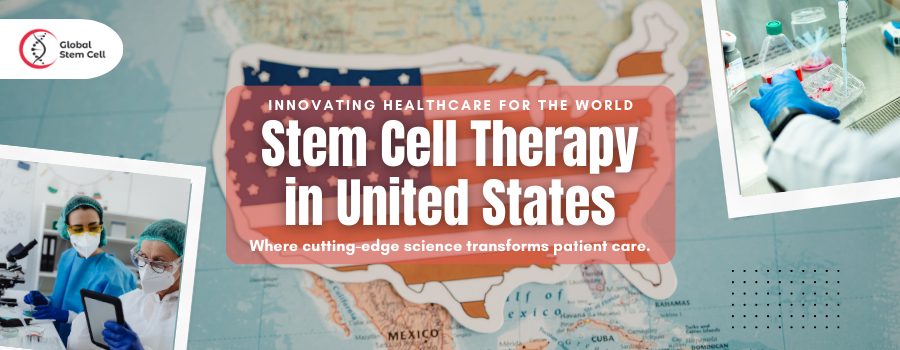
The landscape of modern medicine is shifting rapidly, and at the forefront of this revolution is Stem Cell in United States. As a global leader in healthcare innovation, biotechnology, and regulatory standards, the United States offers patients access to some of the most advanced regenerative medicine protocols in the world. While the regulatory environment is stricter compared to other popular medical tourism destinations, this strictness often translates to higher safety standards and scientifically backed procedures.
For patients suffering from chronic pain, orthopedic injuries, autoimmune disorders, or degenerative conditions, Stem Cell in United States represents a beacon of hope where traditional treatments may have failed. Unlike strictly pharmaceutical approaches that manage symptoms, regenerative medicine aims to repair the underlying damage. From elite athletes seeking rapid recovery to seniors looking to regain mobility, the demographic seeking these treatments is vast.
However, navigating the complex world of FDA regulations, clinical trials, and varied treatment protocols can be daunting. This guide is designed to provide you with a transparent, comprehensive overview of what to expect when seeking Stem Cell in United States, including costs, safety protocols, and the practicalities of planning your medical journey.
The United States leads the world in the number of registered clinical trials for stem cell research, ensuring that patients have access to the latest, data-driven therapies before they become widely available elsewhere.
Whether you are considering Bone Marrow Aspirate Concentrate (BMAC), Platelet-Rich Plasma (PRP), or participating in a clinical trial for expanded cellular therapies, the US offers a medical infrastructure that is second to none.
Why Choose United States for Regenerative Medicine?
Choosing to undergo Stem Cell in United States is a decision often driven by a desire for quality, safety, and technological superiority. While costs may be higher than in Latin America or Asia, the value proposition includes rigorous oversight and access to world-renowned specialists.
Here are the primary reasons patients choose the US:
- Advanced Technology: US clinics utilize cutting-edge guidance systems (fluoroscopy and ultrasound) to ensure precise cell delivery, maximizing the efficacy of Stem Cell in United States.
- FDA Oversight: The Food and Drug Administration (FDA) enforces strict safety guidelines (21 CFR 1271), ensuring that biological products are free from contamination and communicable diseases.
- Expert Specialists: The US is home to board-certified physicians who are often pioneers in the field of orthobiologics and regenerative immunology.
- High Safety Standards: Hospital-grade sterilization and emergency protocols are standard in reputable US medical facilities.
- Diverse Treatment Options: From autologous (your own cells) bone marrow treatments to adipose (fat) derived therapies within compliant frameworks.
- Research Hubs: Major academic centers constantly refine protocols, meaning patients often benefit from the latest scientific discoveries.
Regenerative medicine in the US is not just for injury; it is increasingly used in aesthetic procedures, hair restoration, and anti-aging therapies, utilizing the body’s natural healing factors.
Cost of Stem Cell in United States and Procedures
Understanding the financial aspect is crucial. The cost of Stem Cell in United States varies significantly based on the type of cell used, the complexity of the procedure, the facility’s location, and the physician’s expertise. Insurance companies in the US typically consider these treatments “experimental,” meaning patients usually pay out-of-pocket.
Below is a comparative table of average costs for various regenerative procedures.
| Procedure Name | Average Cost in United States ($) | Cost Comparison (Mexico/Columbia) ($) |
|---|---|---|
| Knee Stem Cell Injection (Unilateral) | $3,000 – $5,000 | $1,500 – $2,500 |
| Both Knees (Bilateral) | $5,000 – $8,000 | $2,800 – $4,000 |
| Hip Joint Injection | $4,000 – $6,500 | $2,000 – $3,500 |
| Shoulder Rotator Cuff Therapy | $4,500 – $7,000 | $2,200 – $3,800 |
| Spinal Disc Injection | $6,000 – $10,000 | $3,500 – $5,500 |
| Bone Marrow Aspirate Concentrate (BMAC) | $5,000 – $8,000 | $3,000 – $4,500 |
| Adipose (Fat) Derived Stem Cells | $6,000 – $9,000 | $3,500 – $5,000 |
| Platelet-Rich Plasma (PRP) – Single | $500 – $1,200 | $200 – $400 |
| Hair Restoration (PRP/Stem Cell) | $2,500 – $5,000 | $1,200 – $2,500 |
| IV Stem Cell Therapy (Systemic) | $10,000 – $25,000 | $5,000 – $12,000 |
| Treatment for Neurological Conditions | $15,000 – $30,000 | $8,000 – $15,000 |
| Anti-Aging Facial Rejuvenation | $3,000 – $6,000 | $1,500 – $3,000 |
| Bone Marrow Transplant (Oncology) | $200,000 – $800,000+ | $80,000 – $150,000 |
Always ask if the quoted price includes the anesthesia, facility fee, and follow-up consultations. In the US, these are sometimes billed separately.
How Medical Tourism Works in the US
While the US is often a source country for patients traveling abroad, it is also a major destination for inbound medical tourism, particularly for specialized Stem Cell in United States that requires high-level expertise or specific clinical trials. The process is streamlined but requires planning.
- Research and Inquiry: Patients begin by identifying conditions treatable by regenerative medicine (e.g., osteoarthritis, COPD, neuropathy).
- Remote Consultation: Leading US clinics offer telemedicine consultations to review MRI scans and medical history before you travel.
- Customized Treatment Plan: The physician determines if you need autologous cells (from your body) or allogeneic cells (from a donor), based on FDA compliance.
- Travel and Logistics: Patients travel to the chosen city. Most stem cell procedures are outpatient, meaning no hospital overnight stay is required.
- The Procedure: Minimally invasive harvesting and injection usually take 3 to 4 hours.
- Recovery: Most patients can return to light activities within 48 hours, though strenuous activity is restricted for weeks.
Top Destinations for Stem Cell in United States
The US is vast, but specific hubs have emerged as centers of excellence for regenerative medicine due to the concentration of biotech research and expert physicians.
Texas (Houston & Dallas): Known for the Texas Medical Center, this region is a global leader in cancer research and orthobiologics. It is a prime location for Stem Cell in United States regarding orthopedic injuries.
Florida (Miami & Tampa): A hub for anti-aging and orthopedic regenerative centers. The warm climate makes it an excellent destination for recovery.
California (Los Angeles & San Diego): Home to “Biotech Beach,” San Diego hosts numerous cutting-edge clinics focusing on adipose-derived cells and clinical trials.
Arizona (Phoenix & Scottsdale): A popular destination for integrative medicine, offering holistic approaches combined with stem cell therapies.
New York (NYC): Features some of the world’s most prestigious university hospitals conducting high-level research and treatment for neurological conditions.
Success Stories from Patients
Real-world results drive the popularity of Stem Cell in United States. While individual results vary, thousands have found relief where surgery was the only other option.
Back to the Game
“After tearing my meniscus, I was told surgery was inevitable. I opted for BMAC therapy in Texas instead. Six months later, I am back to running marathons with zero knee pain. The precision of the US doctors was incredible.” – Mark D., 42
Avoiding Joint Replacement
“I traveled to Florida for stem cell therapy for my hips. The cleanliness of the clinic and the transparency regarding FDA regulations gave me peace of mind. I have delayed my hip replacement indefinitely.” – Sarah L., 65
Accreditations and Quality Assurance
In the United States, accreditation is a non-negotiable aspect of safety. When seeking Stem Cell in United States, ensure the provider holds relevant certifications.
- Board Certification: Physicians should be board-certified in their specialty (e.g., Orthopedics, Pain Management, Sports Medicine).
- AAAHC or JCI: The facility should be accredited by the Accreditation Association for Ambulatory Health Care (AAAHC) or the Joint Commission.
- FDA Compliance: Clinics must adhere to FDA 21 CFR 1271. Reputable clinics will openly discuss what is “FDA Approved” (very few stem cell products) versus “FDA Compliant” (procedures).
- IOF Membership: Membership in the Interventional Orthobiologics Foundation indicates a commitment to high standards in regenerative procedures.
8. Safety and Legal Aspects of Stem Cell in United States
The regulatory framework for Stem Cell in United States is arguably the strictest in the world. The FDA classifies stem cell products based on how much they are manipulated.
Minimal Manipulation: Procedures where cells are harvested and reinjected into the same patient during the same surgical procedure (like Bone Marrow Concentrate) are generally permitted and compliant.
More than Minimal Manipulation: Culture-expanded cells (growing cells in a lab to increase their number) are considered drugs by the FDA. These are generally not available in the US outside of approved clinical trials. This differs from countries like Panama or Mexico, where expanded cells are legal.
AlertBeware of clinics in the US claiming to use “umbilical cord” or “amniotic” products that contain live stem cells for off-label use. Recent studies suggest many of these off-the-shelf products contain few to no live stem cells. Always verify the source and viability of the cells with your doctor.
Cost of Living for Medical Travelers
While the medical costs for Stem Cell in United States are fixed, the associated costs of staying in the US depend heavily on the city.
- Accommodation: 3-star hotels in cities like Houston or Phoenix range from $100 to $180 per night. In NYC or San Francisco, expect $200-$350+.
- Food: An average meal at a mid-range restaurant costs $20-$40 per person.
- Transportation: Car rentals are recommended in most US cities (approx. $50-$80/day). Uber/Lyft is widely available.
- Accessibility: The US has strict ADA laws, meaning hotels and public spaces are highly accessible for patients with mobility issues.
How to Plan Medical Trip to United States
Planning a trip for Stem Cell in United States requires attention to detail, especially for international patients.
- Visa Requirements: International patients typically need a B-2 Tourism/Medical Treatment visa. You will need a letter from the US physician detailing the treatment and proof of funds.
- Medical Records: Translate all relevant medical records, MRIs, and X-rays into English. Digital copies are preferred.
- Insurance: Check if your international insurance covers complications. Most standard policies do not cover “experimental” regenerative procedures.
- Consultation: Secure a video consultation to confirm candidacy before booking flights.
- Companion: It is highly recommended to bring a companion, especially for orthopedic treatments where mobility might be temporarily limited post-procedure.
How PlacidWay Facilitates Stem Cell in United States
PlacidWay helps you navigate the complex US healthcare market. We partner with top-tier, verified medical centers offering Stem Cell in United States. Our role is to bridge the gap between you and world-class care.
We assist with:
- Provider Verification: We screen clinics for accreditations and doctor credentials.
- Cost Transparency: We help you get direct quotes to avoid hidden billing surprises common in US healthcare.
- Coordination: From initial inquiry to scheduling your appointment, we streamline the communication process.
- Information: providing unbiased educational resources about the different types of stem cells (Bone Marrow vs. Adipose vs. PRP).
Frequently Asked Questions
Is Stem Cell Therapy FDA Approved in the US?
Most stem cell therapies are not “FDA Approved” as drugs, but specific procedures (like Bone Marrow Concentrate) are “FDA Compliant” if they meet minimal manipulation guidelines. Only a few specific cord-blood products are FDA-approved for blood disorders.
Does insurance cover Stem Cell in United States?
Generally, no. Most insurance providers consider these treatments investigational. However, the consultation and diagnostic imaging (MRI/X-ray) are often covered.
What conditions can be treated?
The most common compliant treatments are for orthopedic conditions (knees, hips, shoulders), sports injuries, and certain autoimmune protocols under clinical trial settings.
Is the procedure painful?
Most procedures are performed under local anesthesia or mild sedation. Discomfort is minimal, typically feeling like a standard injection or a dull ache.
How long does the effect last?
Results vary by patient and condition. Some patients experience relief for several years, while others may require a booster treatment after 1-2 years.
Contact Us for Stem Cell in United States
Are you ready to explore the possibilities of regenerative medicine? Do not let chronic pain or injury dictate your life. Stem Cell in United States offers a pathway to healing using the most advanced medical technology available.
PlacidWay is here to connect you with trusted, board-certified specialists who adhere to the highest safety standards. Contact us today to discuss your options and receive a personalized quote for your treatment.