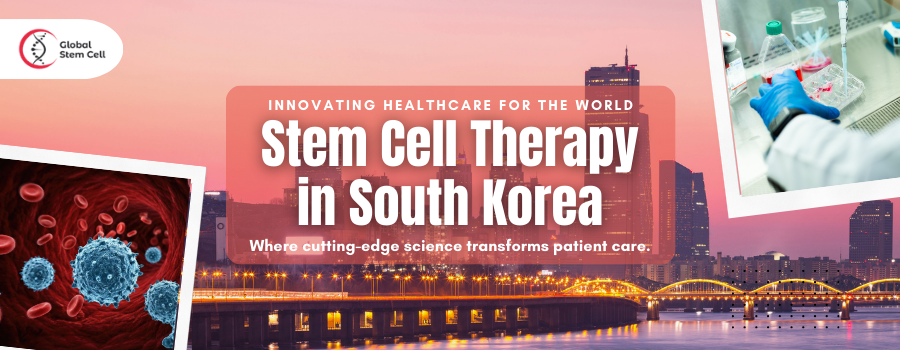
South Korea has rapidly transformed from a technology manufacturing giant into a global epicenter for advanced biotechnology and healthcare. Known as the “Republic of Beauty” and innovation, the nation has made significant strides in regenerative medicine. Seeking Stem Cell in South Korea has become a primary goal for international patients looking to combine cutting-edge science with world-class medical infrastructure.
Unlike many other destinations, South Korea approaches regenerative medicine with a unique blend of rigorous government oversight and aggressive innovation. The country’s focus on R&D has led to breakthroughs in treating degenerative diseases, anti-aging protocols, and orthopedic conditions. For medical tourists, Stem Cell in South Korea represents a pathway to potentially life-changing treatments delivered in ultra-modern facilities that often resemble five-star hotels.
Whether you are seeking relief from chronic pain, looking to reverse the signs of aging, or exploring therapies for neurological conditions, South Korea offers a sophisticated, safe, and highly effective medical environment. This guide explores everything you need to know about planning your journey.
Why Choose South Korea for Stem Cell Therapy?
Choosing a destination for medical travel is a critical decision. South Korea stands out for several compelling reasons, making it a top-tier choice for patients worldwide.
World-Leading Biotechnology Infrastructure
South Korea invests heavily in its biotech sector. The hospitals offering Stem Cell in South Korea are equipped with state-of-the-art laboratories that allow for the isolation, culture, and storage of stem cells with the highest purity levels. The integration of AI and robotics in treatment plans ensures precision that is hard to match elsewhere.
Strict Safety Standards (K-FDA)
Safety is paramount in regenerative medicine. South Korea enforces strict regulations through the Ministry of Food and Drug Safety (formerly K-FDA). This ensures that any Stem Cell in South Korea procedure adheres to rigorous safety protocols, ethical sourcing, and sterile processing standards.
Holistic and Integrative Approach
Korean medical culture often integrates Western medical precision with holistic wellness concepts. Patients receiving stem cell treatments often benefit from complementary therapies, nutritional guidance, and advanced rehabilitation programs designed to maximize cell retention and efficacy.
- Advanced Culture Technology: access to high-potency cell counts.
- Government Support: The “Advanced Regenerative Bio Act” supports safe rapid access to new therapies.
- Digital Healthcare: Seamless digital records and post-care monitoring.
- Luxury Experience: VIP wards and concierge services are standard.
- Combined Treatments: Opportunity to combine stem cells with world-famous Korean aesthetics.
- Strategic Location: A major travel hub easily accessible from North America, Europe, and Asia.
Tips
Look for hospitals that have their own in-house GMP (Good Manufacturing Practice) laboratories. This ensures that the stem cells are processed on-site, minimizing the risk of contamination and ensuring maximum cell viability during your treatment.
Cost of Popular Medical Treatments and Procedures
One of the main drivers for medical tourism is cost efficiency. While South Korea is a developed nation with a high standard of living, the cost of Stem Cell in South Korea is significantly lower than in the United States or Western Europe, often by 40% to 60%, without compromising on quality.
Price Comparison Table
The following table outlines the estimated costs for various stem cell applications. Note: Prices vary based on cell count, source (adipose, bone marrow, cord blood), and hospital prestige.
| Procedure Name | Average Cost in South Korea ($) | Cost Comparison (USA/UK) |
|---|---|---|
| Anti-Aging IV Therapy (General) | $3,000 – $6,500 | $10,000+ |
| Knee Osteoarthritis Injection (One Knee) | $4,000 – $7,000 | $12,000+ |
| Knee Osteoarthritis (Both Knees) | $7,500 – $12,000 | $20,000+ |
| Stem Cell Face Lift (Cosmetic) | $4,500 – $8,000 | $15,000+ |
| Hair Loss Therapy (Alopecia) | $3,500 – $6,000 | $9,000+ |
| Erectile Dysfunction Treatment | $5,000 – $9,000 | $15,000+ |
| Diabetes Management Therapy | $10,000 – $18,000 | $30,000+ |
| Liver Disease Support | $12,000 – $20,000 | $35,000+ |
| Kidney Failure Support | $14,000 – $22,000 | $40,000+ |
| Parkinson’s Support Therapy | $15,000 – $25,000 | Not Widely Available/Higher |
| Autism Support Therapy | $12,000 – $20,000 | $30,000+ |
| Spinal Cord Injury Support | $18,000 – $30,000 | $50,000+ |
| Autoimmune Disease Therapy | $11,000 – $19,000 | $30,000+ |
| COPD / Lung Therapy | $13,000 – $21,000 | $35,000+ |
Facts
South Korea has one of the highest numbers of clinical trials for stem cell therapeutics in the world, ranking in the global top 3 alongside the USA and Japan.
How Medical Tourism Works in South Korea
The process of obtaining Stem Cell in South Korea is streamlined and efficient, designed specifically for international visitors.
1. Initial Inquiry and Evaluation
You begin by contacting a facilitator like PlacidWay. You will submit your medical history, MRI scans, or blood work. Korean specialists review these documents to determine if you are a candidate for stem cell therapy.
2. Treatment Plan and Quote
Once approved, you receive a detailed treatment plan outlining the type of stem cells (Autologous Adipose, Bone Marrow, or Umbilical Cord), the number of cells to be administered, and the total cost.
3. Visa and Logistics
Most patients from Western countries receive a visa on arrival, but for extended treatments, South Korea offers a specific Medical Visa (C-3-3). The clinic often assists with the “Certificate of Confirmation of Visa Issuance.”
4. Arrival and Procedure
Upon landing at Incheon International Airport, many clinics provide chauffeur services. The treatment usually begins the next day. Depending on the protocol, stem cell harvesting and injection might happen on the same day or be separated by a culture period.
5. Recovery and Sightseeing
Stem cell therapy is minimally invasive. Most patients are discharged within 24 hours. You can spend the recovery period enjoying South Korea’s vibrant culture, food, and shopping before flying home.
Top Destinations for Stem Cell Therapy
South Korea is a compact country with excellent transportation, but three main hubs stand out for medical tourism.
Seoul (Gangnam and Songpa)
The capital city is the heart of Stem Cell in South Korea. Gangnam isn’t just a pop-culture reference; it is the “Medical Belt” of Korea. Here you find the highest concentration of plastic surgery and regenerative medicine centers. It offers luxury accommodations, English-speaking staff, and proximity to major attractions like Lotte World Tower.
Incheon
Home to the international airport and the “Songdo International Business District,” Incheon is a futuristic smart city. It is ideal for patients who want immediate access to treatment upon arrival without navigating the traffic of downtown Seoul. The medical facilities here are massive, modern, and internationally accredited.
Busan
For those seeking a more relaxed recovery by the ocean, Busan is the perfect choice. As Korea’s second-largest city, it boasts excellent university hospitals offering regenerative therapies. The coastal environment helps reduce stress, which is beneficial for the healing process.
Did You Know?
South Korea has the fastest internet speed in the world. This connectivity extends to hospitals, where digital charts and high-speed data transfer allow international doctors to collaborate with Korean specialists in real-time.
Success Stories: Transformations in Korea
Patients from around the globe travel to experience the benefits of Stem Cell in South Korea. Here are general examples of the outcomes patients report.
Orthopedic Revival
Many patients arrive in Seoul with severe knee or hip pain, facing joint replacement surgery at home. After receiving intra-articular stem cell injections combined with Korean rehabilitation techniques, many report a significant reduction in inflammation and pain within weeks, returning to activities like golf and hiking.
Anti-Aging and Vitality
Executives and public figures frequently visit Korea for “Bio-Insurance.” By banking their healthy cells or receiving anti-aging IV infusions, they report increased energy levels, better sleep quality, and improved skin elasticity. The visual results of stem cell facials in Korea are particularly renowned.
“I Avoided Knee Surgery”
“I was told I needed a total knee replacement in the UK. I flew to Seoul for stem cell therapy. The clinic was like a spaceship—so modern. Three months later, I’m walking without a cane. The care was incredible.” – Mark T., UK
Accreditations and Quality Assurance
When seeking Stem Cell in South Korea, verifying accreditation is easy because the standards are high.
- JCI (Joint Commission International): Many top-tier Korean hospitals hold this gold standard of global healthcare.
- KAHF (Korean Accreditation Program for Hospitals Serving Foreign Patients): A specific designation by the Korean government ensuring safety and translation services for tourists.
- ISO Certification: Laboratories processing stem cells usually adhere to ISO 9001 and ISO 14001 standards.
- GMP Certified Labs: Essential for stem cell safety, ensuring cells are manipulated in a sterile, controlled environment.
Safety and Legal Aspects of Stem Cell Therapy
South Korea has a complex but well-regulated legal framework regarding stem cells. The “Act on Safety and Support for Advanced Regenerative Medicine and Advanced Biological Products” was enacted to allow patients access to treatments while ensuring safety.
Legal Treatments vs. Research
Certain stem cell therapies are fully approved for commercial use (like specific drugs for cartilage defects), while others are available under “Limited Treatment” designations or authorized clinical studies. It is vital to use authorized clinics that operate within this legal framework to ensure the legitimacy of the cells used.
Ethical Standards
South Korea strictly prohibits the use of embryonic stem cells for commercial cosmetic purposes due to ethical concerns. The industry focuses on Adult Stem Cells (Adipose, Bone Marrow, Peripheral Blood) and ethically sourced Umbilical Cord tissue, which poses no ethical dilemmas and has a high safety profile.
Alert Beware of unlicensed brokers offering “too good to be true” prices in residential apartments. Only receive stem cell treatments in registered medical institutions (hospitals or specialized clinics) that display their government certification.
Cost of Living for Medical Tourists
While the medical costs are the primary concern, budgeting for your stay is also important. South Korea offers options for every budget.
Accommodation
Near major medical centers in Gangnam, a 4-star hotel averages $100-$150 per night. However, safe and clean “Business Hotels” are available for $60-$80. Many clinics also have partnerships with local hotels for discounted patient rates.
Food and Transport
South Korea is a food lover’s paradise. A healthy, traditional Korean meal (Bibimbap or Soup) costs around $7-$10. Public transport is incredibly cheap and efficient; a subway ride anywhere in Seoul is usually under $2. Taxis are clean and metered, with a short trip costing $5-$10.
How to Plan Your Medical Trip to South Korea
Planning a trip for Stem Cell in South Korea requires attention to detail.
Step 1: Consultation & Pre-Screening
Never book flights before a medical confirmation. Send your medical records via PlacidWay to ensure you are a candidate.
Step 2: The Medical Visa
Citizens of many countries (USA, Canada, EU) can enter visa-free for 90 days (K-ETA required). However, if your treatment requires a longer stay or if you are from a country requiring a visa, apply for the C-3-3 Medical Tourist Visa using the invitation letter from the hospital.
Step 3: Packing
Pack comfortable clothing for recovery. Bring copies of your medical records. If you visit in winter (Dec-Feb), bring heavy coats; summers (Jun-Aug) are hot and humid.
Step 4: Language Apps
While doctors speak English, taxi drivers might not. Download apps like “Papago” (translation) and “KakaoMap” (navigation) before you arrive.
Tips
Purchase a “SIM Card” or “Pocket Wi-Fi” at Incheon Airport immediately upon arrival. Having constant internet access makes navigating the city and communicating with your clinic coordinator much easier.
How PlacidWay Facilitates Your Journey
Navigating a foreign healthcare system can be daunting. PlacidWay acts as your trusted partner in accessing Stem Cell in South Korea.
- Vetted Partners: We only work with clinics and hospitals that have verified accreditations and a track record of success with international patients.
- Transparent Quotes: We help you get direct quotes from multiple providers so you can compare costs and inclusions without hidden fees.
- Language Barriers: We connect you with facilities that have dedicated International Patient Centers with fluent English, Russian, Arabic, or Chinese coordinators.
- End-to-End Support: From the initial email to your post-treatment follow-up, we are here to ensure your medical travel experience is smooth and safe.
Frequently Asked Questions
Is Stem Cell Therapy legal in South Korea?
Yes, but it is strictly regulated. The “Advanced Regenerative Bio Act” governs the industry. Treatments must be performed in approved medical institutions. Therapies using adult stem cells (adipose, bone marrow) are widely practiced and legal.
What types of Stem Cells are used in Korea?
Clinics primarily use Autologous Adipose-Derived Stem Cells (from your own fat), Bone Marrow Stem Cells, and Allogeneic Umbilical Cord Stem Cells (from healthy donors). Embryonic stem cells are not used for commercial treatments.
Is the procedure painful?
Most stem cell procedures are minimally invasive. Liposuction for fat harvesting is done under local anesthesia or sedation, causing only minor discomfort. Injections are generally well-tolerated. Pain management in Korea is excellent.
How long do I need to stay in South Korea?
For a standard procedure, a stay of 3 to 7 days is usually sufficient. This allows time for consultation, the procedure, and a follow-up check to ensure no infection or complications before you fly home.
Will my insurance cover this?
Generally, no. Stem cell therapy is often considered elective or experimental by Western insurance companies. However, the cost in Korea is low enough that paying out-of-pocket is often feasible for many patients.
Ready to Transform Your Health?
South Korea offers a unique opportunity to access advanced regenerative medicine in a safe, high-tech environment. Whether you are looking to treat a chronic condition or invest in your long-term vitality, the experts in Seoul are ready to help.
Don’t navigate this journey alone. Let PlacidWay connect you with the top accredited stem cell clinics in South Korea today.