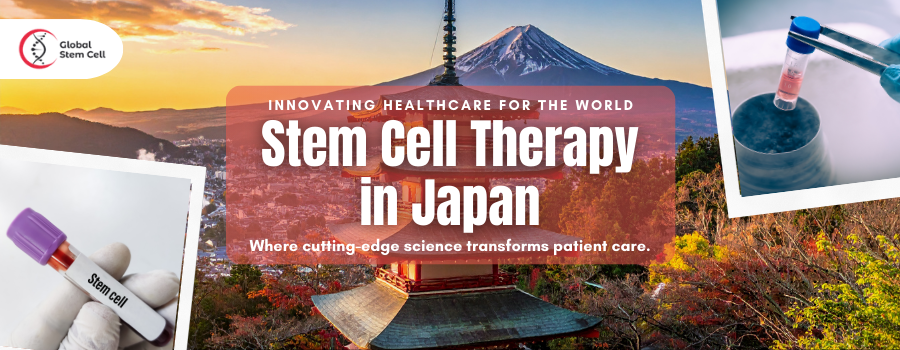
Japan stands at the global forefront of regenerative medicine, offering hope to patients seeking treatments that were once considered impossible. With the Nobel Prize-winning discovery of induced pluripotent stem (iPS) cells originating here, Stem Cell in Japan has become synonymous with innovation, rigorous safety standards, and cutting-edge technology. For international patients, Japan offers a unique blend of high-tech medical care and a deeply ingrained culture of hospitality.
The field of regenerative medicine in Japan is not just about experimental research; it is a fully regulated, government-backed industry designed to provide safe and effective therapies. From treating orthopedic conditions like osteoarthritis to addressing complex autoimmune diseases and anti-aging needs, the application of Stem Cell in Japan is vast and rapidly expanding.
This guide explores everything you need to know about traveling to Japan for stem cell therapy, including costs, regulations, safety protocols, and how to plan your medical journey efficiently.
Did You Know?
Japan was the first country in the world to expedite the approval process for regenerative medicine products, allowing patients faster access to breakthrough therapies under the “conditional approval” system.
Why Choose Japan for Regenerative Medicine?
Choosing to undergo Stem Cell in Japan is a decision to prioritize safety, quality, and technological advancement. Japan’s regulatory framework is often cited as the gold standard globally. Unlike many other jurisdictions where stem cell clinics operate in a legal gray area, Japan enforces the Act on the Safety of Regenerative Medicine (ASRM). This ensures that every clinic offering cell therapies is vetted, licensed, and monitored by the Ministry of Health, Labour and Welfare (MHLW).
World-Class Research and Technology
Japan is the birthplace of iPS cells (induced pluripotent stem cells), discovered by Nobel Laureate Shinya Yamanaka. This scientific heritage translates into clinical excellence. Japanese medical institutions utilize advanced processing facilities (CPC – Cell Processing Centers) to ensure the highest viability and sterility of stem cells.
Rigorous Safety Standards
When you seek Stem Cell in Japan, you are protected by a three-tiered classification system regarding the risk of the procedure. Clinics must submit their treatment plans to a certified committee for review before they can treat patients. This transparency minimizes risk and maximizes potential outcomes.
Omotenashi (Hospitality)
Japanese healthcare is renowned for “Omotenashi”—a level of hospitality that anticipates the patient’s needs. From the moment you enter a clinic, the attention to detail, hygiene, and patient comfort is unparalleled compared to many other medical tourism destinations.
- Government Oversight: Strict licensing ensures no “rogue” clinics.
- Advanced Technology: Use of high-quality Mesenchymal Stem Cells (MSCs) and iPS technology.
- Holistic Care: Integration of regenerative medicine with precise diagnostics.
- Cleanliness: Hospital hygiene standards in Japan are among the highest in the world.
- Cultural Experience: Opportunity to recover in a serene, culturally rich environment.
- Accessibility: Major cities like Tokyo and Osaka are global transit hubs.
Facts
The Japanese government has invested billions of yen into the “Research Center Network for Realization of Regenerative Medicine,” solidifying the nation’s commitment to being the world leader in this field.
Cost of Stem Cell Therapy in Japan
The cost of Stem Cell in Japan is generally higher than in Southeast Asian countries like Thailand or India, but significantly lower than in the United States, with a much higher guarantee of quality control. The price varies depending on the source of the cells (adipose, bone marrow, umbilical cord), the number of cells administered, and the complexity of the processing.
Below is a comparative table of popular regenerative procedures available in Japan.
| Procedure / Treatment | Average Cost in Japan (USD) | Cost Comparison (USA/Europe) |
|---|---|---|
| Anti-Aging IV Therapy (Stem Cell) | $10,000 – $25,000 | $25,000+ |
| Knee Osteoarthritis Injection (1 Joint) | $5,000 – $8,000 | $8,000 – $12,000 |
| Diabetes Management (Type 2) | $15,000 – $30,000 | $40,000+ |
| COPD / Lung Disease Therapy | $20,000 – $35,000 | $50,000+ |
| Liver Disease / Cirrhosis Treatment | $18,000 – $32,000 | $45,000+ |
| Parkinson’s Disease Protocol | $25,000 – $45,000 | Not widely available/Higher |
| Stroke Rehabilitation Therapy | $20,000 – $40,000 | $50,000+ |
| Erectile Dysfunction (Stem Cell) | $8,000 – $12,000 | $15,000+ |
| Hair Restoration (Stem Cell) | $4,000 – $7,000 | $10,000+ |
| Autoimmune Disease Protocol | $15,000 – $30,000 | $40,000+ |
| Spinal Cord Injury Treatment | $30,000 – $50,000 | Extremely High |
| Stem Cell Facial Rejuvenation | $3,000 – $6,000 | $8,000+ |
| Cardiac/Heart Failure Therapy | $30,000 – $55,000 | $100,000+ |
| Alzheimer’s Support Therapy | $22,000 – $38,000 | Experimental/High |
AlertBe wary of extremely low-cost providers. Authentic stem cell culturing requires expensive, sterile laboratory environments (CPCs). If the price seems too good to be true, the cell count or viability may be compromised.
How Medical Tourism Works in Japan
Navigating the medical system in a foreign country can be daunting, but Japan has streamlined the process for international patients seeking Stem Cell in Japan. The journey typically follows a structured path to ensure legal compliance and medical suitability.
Step-by-Step Process
- Initial Inquiry: You submit your medical history and current reports to a facilitator like PlacidWay.
- Medical Evaluation: Specialists in Japan review your file to determine if you are a candidate for stem cell therapy.
- Treatment Plan: A customized plan is created, including cost estimates and duration of stay.
- Visa Application: You apply for a Medical Visa (if required) with the assistance of a guarantor agency.
- Arrival & Treatment: You arrive in Japan, undergo pre-op checks, receive treatment, and rest.
- Follow-up: Post-treatment monitoring is conducted before you fly home, with remote follow-ups scheduled.
Tips
Always ensure your passport is valid for at least 6 months beyond your intended stay. For treatments lasting longer than 90 days or requiring hospitalization, a specific Medical Visa for International Patients is mandatory.
Top Destinations for Stem Cell Therapy
While clinics are available throughout the country, specific cities have become hubs for Stem Cell in Japan due to their concentration of medical universities, research centers, and international accessibility.
Tokyo
As the capital, Tokyo hosts the highest concentration of accredited regenerative medicine clinics. It offers excellent connectivity via Narita and Haneda airports. Tokyo is ideal for patients looking for anti-aging treatments and orthopedic stem cell procedures combined with luxury accommodation.
Osaka
Osaka is a commercial powerhouse and home to some of the world’s leading stem cell research institutes. The Kansai region, including Osaka and nearby Kyoto, is often referred to as the “Silicon Valley of Regenerative Medicine” in Japan.
Kyoto
Known for its history, Kyoto is also the home of Kyoto University, where iPS cells were discovered. The city offers a serene environment perfect for recovery and rehabilitation, blending top-tier science with tranquility.
Fukuoka
Located in southern Japan, Fukuoka is a growing medical hub known for its proximity to other Asian countries. It offers high-quality medical services often at slightly more competitive rates than Tokyo.
Did You Know?
Kobe, near Osaka, is home to the RIKEN Center for Biosystems Dynamics Research, one of the most prestigious developmental biology institutes globally, driving innovation in local clinics.
Success Stories
Patients worldwide travel for Stem Cell in Japan because of the transformative results they experience. From regaining mobility in arthritic knees to seeing improvements in chronic systemic conditions, the testimonials speak volumes about the quality of care.
Knee Pain Relief for Active Senior
“I was told I needed a double knee replacement in the US. I flew to Tokyo for culture-expanded stem cell therapy. Six months later, I am hiking again without pain. The clinic was cleaner than any hospital I’ve seen, and the staff treated me like royalty.” – Robert, USA
Anti-Aging & Vitality
“I felt constant fatigue and brain fog. After my treatment in Osaka, the difference was night and day. My energy levels are back to where they were in my 30s. The Japanese doctors were incredibly thorough with their diagnostics.” – Sarah, Australia
Medical Accreditations in Japan
When seeking Stem Cell in Japan, verification of accreditation is vital. The Japanese medical system relies on strict internal and international certifications to maintain standards.
- MHLW License: The most critical accreditation. Every clinic performing stem cell therapies must hold a license from the Ministry of Health, Labour and Welfare.
- JCI (Joint Commission International): Many top-tier hospitals in Japan hold JCI accreditation, signifying global gold standards in patient safety.
- JMIP (Japan Medical Service Accreditation for International Patients): This certification ensures the hospital has the systems to accept foreign patients safely and comfortably.
- ISO 9001: Often held by the laboratories (CPCs) processing the stem cells to ensure quality management.
- Class I, II, or III Certification: Facilities are certified based on the risk level of the procedures they are legally allowed to perform.
Facts
Japan has over 50 accredited facilities specifically licensed to perform high-risk regenerative procedures, a number that is steadily growing due to government support.
Safety and Legal Aspects of Stem Cells in Japan
Safety is the cornerstone of Stem Cell in Japan. In 2014, the Japanese government implemented two major laws: the Act on the Safety of Regenerative Medicine and the Pharmaceuticals and Medical Devices (PMD) Act. These laws created the world’s most comprehensive framework for accelerating development while ensuring patient safety.
The Three Classes of Regenerative Medicine
- Class I (High Risk): Involves embryonic stem cells or iPS cells. Highly regulated and mostly limited to university hospitals and research centers.
- Class II (Medium Risk): Involves somatic stem cells (like adipose or bone marrow) that are cultured or expanded. This is the most common category for medical tourism treatments.
- Class III (Low Risk): Involves somatic cells that are processed but not cultured (e.g., PRP).
Clinics must report adverse events immediately, and the government conducts regular inspections. This legal environment significantly reduces the risk of malpractice compared to unregulated markets.
Did You Know?
Under Japanese law, the cell processing facilities (CPCs) are regulated separately from the clinics, ensuring that the biological material is handled by specialized experts in sterile environments.
Cost of Living in Japan for Medical Tourists
While the medical costs for Stem Cell in Japan are fixed, your travel expenses can vary. Historically expensive, Japan has become more affordable for many Western tourists due to recent exchange rate fluctuations.
- Accommodation: Business hotels range from $60-$100 per night, while luxury 5-star hotels start at $300+. Airbnb is also widely available.
- Food: You can enjoy a high-quality meal for as little as $10 (Ramen/Teishoku) or spend $200+ on fine dining (Kaiseki).
- Transport: The train system is world-class. A JR Pass (purchased before arrival) can save money if traveling between cities. Taxis are clean but expensive.
- Translation Services: While major clinics have interpreters, hiring a personal guide may cost $150-$250 per day.
How to Plan Your Medical Trip to Japan
Planning a trip for Stem Cell in Japan requires attention to detail. Follow this checklist for a smooth experience.
1. Consultation and Eligibility
Contact PlacidWay to submit your medical records. Japanese doctors are conservative; they will only accept you if they believe the treatment will be effective.
2. Visa Arrangements
Determine if you need a Medical Visa. This visa covers you and accompanying persons and allows for longer stays if rehabilitation is needed.
3. Flight and Accommodation
Book flights to Haneda (HND) or Narita (NRT) for Tokyo, or Kansai (KIX) for Osaka. Choose accommodation near your clinic to minimize travel stress post-treatment.
4. Currency and Payments
Japan is still largely cash-based in some areas, though clinics accept credit cards. Ensure your cards are authorized for international use.
5. Cultural Preparation
Familiarize yourself with basic Japanese etiquette (bowing, removing shoes indoors) to show respect to your medical team.
Tips
Download translation apps like Google Translate or DeepL before arrival. While doctors speak English, support staff in the city may not.
How PlacidWay Facilitates Stem Cell Tourism in Japan
PlacidWay serves as your bridge to the best Stem Cell in Japan. We understand that language barriers and strict medical protocols can be intimidating. Our role is to simplify this process.
We partner only with clinics that possess the required MHLW licenses and have a track record of serving international patients. We assist with:
- Clinic Vetting: Verifying licenses and safety records.
- Remote Consultations: Arranging video calls with Japanese specialists.
- Cost Transparency: Ensuring you get the direct hospital price without hidden markups.
- Logistics: Assisting with medical visa paperwork and accommodation recommendations.
FAQs About Stem Cell Therapy in Japan
Is stem cell therapy legal in Japan?
Yes, it is fully legal and highly regulated under the Act on the Safety of Regenerative Medicine (ASRM). Clinics must be licensed by the Ministry of Health, Labour and Welfare.
What types of stem cells are used in Japan?
The most common are autologous (patient’s own) Mesenchymal Stem Cells (MSCs) derived from adipose tissue or bone marrow. Japan is also a leader in iPS cell research.
How much does stem cell therapy cost in Japan?
Costs range from $5,000 for simple joint injections to over $30,000 for complex systemic conditions involving cultured stem cells.
Do doctors in Japan speak English?
Most top-tier specialists speak English. However, clinics catering to international patients always provide medical interpreters to ensure clear communication.
Is Japan safe for medical tourism?
Japan is considered one of the safest countries in the world, both in terms of low crime rates and high medical safety standards.
What is the recovery time for stem cell therapy?
Most procedures are minimally invasive with little downtime. Patients typically rest for 24-48 hours before engaging in light tourism.
Can stem cells cure diabetes?
Stem cell therapy can improve insulin sensitivity and manage symptoms, but it is currently considered a management therapy rather than a guaranteed total cure.
Do I need a Medical Visa for Japan?
If your treatment requires a long stay or hospitalization, a Medical Visa is recommended. For short outpatient procedures, a standard tourist visa may suffice depending on your nationality.
What makes Japan different from other stem cell destinations?
The primary difference is the strict government oversight (ASRM law), ensuring that cell processing and administration meet rigorous scientific and safety standards.
How long does the procedure take?
Harvesting cells takes a few hours. If culture expansion is required, you may need to return weeks later for the infusion, or stay for the duration. Direct injections are often same-day procedures.
Did You Know?
Japan allows “Conditional Approval” for regenerative products, meaning therapies that show safety and probable efficacy can be available to patients sooner than in the US or Europe.
Contact Us for Stem Cell Therapy in Japan
Embarking on a journey for Stem Cell in Japan is a significant step toward better health. With its blend of cutting-edge science, rigorous safety laws, and exceptional patient care, Japan offers one of the best environments for regenerative medicine.
Don’t navigate this complex process alone. PlacidWay is here to guide you to accredited providers, ensuring your safety and satisfaction. Click the button below to start your journey today.