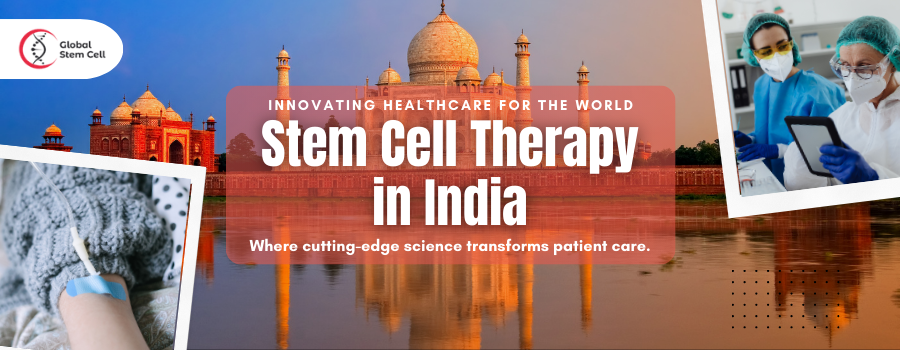
In the landscape of modern healthcare, Stem Cell in India has emerged as a beacon of hope for patients worldwide seeking alternatives to conventional treatments. As global medical boundaries expand, India has positioned itself as a powerhouse of regenerative medicine, combining cutting-edge technology with deep medical expertise. For international patients, the allure lies not just in the affordability but in the sophisticated protocols and comprehensive care available across the subcontinent.
Regenerative medicine focuses on repairing, replacing, or regenerating human cells, tissues, or organs to restore or establish normal function. Stem cell therapy is at the forefront of this revolution. From treating neurological conditions like autism and cerebral palsy to orthopedic issues and anti-aging solutions, Indian medical institutions are adopting global standards to deliver results. This guide explores why thousands of patients choose India for these life-changing procedures every year.
India is one of the few countries that has a dedicated governmental body (ICMR) actively drafting guidelines to ensure the ethical and scientific application of stem cell research and therapy.
Why Choose India for Stem Cell Therapy?
Choosing a destination for complex medical procedures is a significant decision. Stem Cell in India offers a unique value proposition that blends high-quality healthcare with economic feasibility. Here is why India stands out in the global medical tourism map:
- World-Class Infrastructure: Indian hospitals are equipped with state-of-the-art GMP (Good Manufacturing Practice) certified laboratories necessary for processing stem cells safely.
- Expert Medical Professionals: Doctors in India often hold double board certifications and have trained in top institutions in the UK, USA, and Germany.
- Cost-Effectiveness: You can save between 60% to 80% on treatment costs compared to North America or Europe without compromising on quality.
- No Waiting Lists: Unlike socialized healthcare systems where waiting times can be months or years, private healthcare in India offers immediate attention.
- English Proficiency: As the second-largest English-speaking country, communication barriers are virtually non-existent for international travelers.
- Holistic Care: Many centers integrate Ayurveda and physiotherapy with stem cell treatments to maximize rehabilitation outcomes.
India receives over 500,000 medical tourists annually, with a growing percentage specifically seeking regenerative treatments for chronic conditions that have limited options in their home countries.
Cost of Stem Cell Treatments in India
One of the primary drivers for Stem Cell in India is the cost advantage. However, low cost does not equate to low quality; rather, it reflects the lower cost of living, labor, and infrastructure in the country. Below is a comparative analysis of popular stem cell procedures.
| Procedure Name | Average Cost in India (USD) | Est. Cost in USA/UK (USD) |
|---|---|---|
| Autism Spectrum Disorder (ASD) | $6,000 – $12,000 | $25,000+ |
| Cerebral Palsy Treatment | $5,500 – $10,000 | $30,000+ |
| Knee Osteoarthritis (Both Knees) | $4,000 – $7,500 | $15,000+ |
| Anti-Aging / Facial Rejuvenation | $2,500 – $5,000 | $10,000+ |
| COPD / Lung Disease | $7,000 – $11,000 | $25,000+ |
| Chronic Kidney Disease (CKD) | $8,000 – $13,000 | $40,000+ |
| Parkinson’s Disease | $7,500 – $12,500 | $35,000+ |
| Spinal Cord Injury | $9,000 – $15,000 | $50,000+ |
| Liver Cirrhosis | $6,500 – $11,000 | $30,000+ |
| Type 1 & 2 Diabetes | $5,500 – $9,500 | $25,000+ |
| Stroke Rehabilitation | $7,000 – $12,000 | $35,000+ |
| Multiple Sclerosis (MS) | $8,000 – $14,000 | $45,000+ |
| Hair Loss (PRP + Stem Cells) | $1,500 – $3,000 | $6,000+ |
| Erectile Dysfunction (P-Shot + Cells) | $2,000 – $4,500 | $8,000+ |
| Muscular Dystrophy | $8,000 – $13,000 | $40,000+ |
The total cost usually covers the procedure, hospital stay, pre-op tests, and post-op physiotherapy. Always ask for a detailed breakdown to check if airport transfers and accommodation for a companion are included.
Navigating the Medical Tourism Process
The journey to receiving Stem Cell in India is streamlined to ensure patient comfort and ease. The process is designed to handle the complexities of international travel combined with medical protocols.
- Initial Inquiry: You contact a facilitator or clinic, providing your medical history and current reports (MRI, blood tests, etc.).
- Medical Evaluation: Specialists in India review your case to determine if you are a suitable candidate for stem cell therapy.
- Treatment Plan & Quotation: You receive a customized treatment protocol, duration of stay, and a fixed price quote.
- Visa Assistance: Once you decide to proceed, the hospital provides a Visa Invitation Letter to help you secure an Indian Medical Visa (e-Visa is available for many countries).
- Arrival & Treatment: You are greeted at the airport, transferred to the facility, and the treatment begins after a physical evaluation.
- Recovery & Sightseeing: Depending on your condition, you may have downtime to enjoy the local culture before flying home.
India issues a special ‘Medical Visa’ (M-Visa) which allows patients to bring up to two attendants, ensuring you have the emotional support of family during your treatment.
Prime Locations for Stem Cell in India
India is a vast country, but medical excellence is concentrated in specific metropolitan hubs known for their connectivity and healthcare infrastructure.
- Mumbai: The financial capital is home to some of the most prestigious hospitals and research centers in Asia. It offers excellent international connectivity.
- Delhi (NCR): As the capital region, Delhi boasts top-tier government and private institutes specializing in regenerative medicine and neurology.
- Bangalore: Known as the “Silicon Valley of India,” Bangalore is a hub for biotech and high-tech medical research, offering advanced laboratory facilities.
- Hyderabad: A rapidly growing medical tourism destination known for affordable high-end healthcare and pharmaceuticals.
- Chennai: Often called the “Health Capital of India,” Chennai attracts the highest number of international patients due to its renowned specialty hospitals.
- Pune: Close to Mumbai, Pune is an emerging hub for orthopedics and regenerative therapies with a pleasant climate.
Patient Testimonials and Success Stories
Nothing speaks louder than the experiences of those who have undergone Stem Cell in India. These stories highlight the potential for improved quality of life.
Autism Breakthrough for 6-Year-Old Liam
“We traveled from the UK for our son’s autism treatment. Before coming to India, Liam had no eye contact and was non-verbal. Six months after the stem cell therapy and intensive rehabilitation in Mumbai, he started saying small words and his hyperactivity reduced significantly. The doctors were incredibly supportive.” – Sarah J., UK
Freedom from Knee Pain
“I was told I needed a total knee replacement in the US. I opted for stem cell injections in Delhi instead. The cost was a fraction of the surgery, and the recovery was fast. I am now walking without pain and back to playing golf.” – Robert D., USA
Ask the clinic to connect you with past patients from your own country. Speaking to someone who has gone through the specific journey can provide invaluable insights and peace of mind.
Accreditations and Quality Standards
To ensure patient safety, leading hospitals in India adhere to rigorous national and international standards. When seeking Stem Cell in India, look for the following accreditations:
- JCI (Joint Commission International): The gold standard for global healthcare, ensuring the hospital meets strict US-based safety protocols.
- NABH (National Accreditation Board for Hospitals & Healthcare Providers): The apex national healthcare accreditation body in India.
- GLP/GMP Certified Labs: Essential for stem cell processing, Good Laboratory Practice (GLP) and Good Manufacturing Practice (GMP) ensure cells are handled in sterile, contamination-free environments.
- ISO Certification: Indicates that the facility maintains consistent management and quality systems.
AlertEnsure that the facility you choose has an Institutional Committee for Stem Cell Research (IC-SCR) registered with the National Apex Committee. This ensures ethical compliance with government regulations.
Safety Protocols and Legal Framework
The regulatory landscape for Stem Cell in India is evolving to protect patients while fostering innovation. The Indian Council of Medical Research (ICMR) and the Department of Biotechnology (DBT) have laid out National Guidelines for Stem Cell Research.
While Hematopoietic Stem Cell Transplantation (HSCT) is a standard of care for blood disorders, many other applications (like mesenchymal stem cells for orthopedics or neurology) are offered under strict medical protocols or clinical trial frameworks. Top hospitals maintain high safety standards, including:
- Screening of donors (for allogenic transplants) for infectious diseases.
- Checking cell viability and count before administration.
- Monitoring for adverse reactions post-therapy.
- Ethical consent forms detailing risks and benefits.
- Strict sterilization of catheterization labs and operating theaters.
Legitimate clinics in India use autologous stem cells (from your own body) or ethically sourced allogenic cells (from umbilical cord tissue) and strictly prohibit the use of embryonic stem cells due to ethical concerns.
Cost of Living for Medical Tourists
Apart from the treatment cost, the daily expenses in India are significantly lower than in Western countries, allowing patients to stay longer for rehabilitation without financial strain.
- Accommodation: 3-star to 5-star hotels range from $40 to $100 per night. Many hospitals also offer guest houses for long-term stays at lower rates.
- Food: A wholesome meal can cost between $5 and $15. International cuisine is widely available in metro cities.
- Transportation: App-based cabs (Uber/Ola) are very affordable, with rides across town costing $3 to $8.
- Communication: A SIM card with unlimited data for a month costs less than $5.
Many medical packages in India are “all-inclusive,” covering airport pickups, local transport, and accommodation for the patient and one attendant, simplifying your budgeting process.
Planning Your Medical Trip: Step-by-Step
Planning a trip for Stem Cell in India requires organization. Here is a checklist to help you prepare:
- Medical Records: Digitize all MRI scans, X-rays, and doctor reports. Have them ready to email.
- Consultation: Schedule a video call with the treating doctor in India to discuss expectations and prognosis.
- Visa Application: Apply for an e-Medical Visa on the official Indian government website (indianvisaonline.gov.in). Do not use third-party agents.
- Flight Booking: Book flexible tickets in case your treatment duration needs to be extended.
- Packing: India has a tropical climate. Pack light, breathable cotton clothes. Bring universal travel adapters.
- Forex: Carry some US Dollars or Euros, which can be easily exchanged at the airport or authorized dealers. Credit cards are widely accepted.
Always inform your bank that you will be traveling to India to prevent your credit/debit cards from being blocked due to “suspicious activity” when you try to pay for treatment.
How PlacidWay Facilitates Your Journey
PlacidWay serves as your trusted partner in navigating the vast options for Stem Cell in India. We understand that finding the right clinic and doctor can be overwhelming. Here is how we help:
- Vetted Network: We only partner with accredited, reputable medical centers that meet international standards.
- Transparent Pricing: We help you get direct quotes from hospitals with no hidden agency fees.
- Comparison: We allow you to compare doctors, clinics, and costs side-by-side to make an informed decision.
- Support: From the initial inquiry to your return home, our resources guide you through the logistics of medical travel.
- Information Access: We provide access to real patient reviews and doctor credentials so you can trust your choice.
Frequently Asked Questions About Stem Cell in India
1. Is stem cell therapy legal in India?
Yes, stem cell therapy is legal, but it is highly regulated. The ICMR (Indian Council of Medical Research) provides guidelines. Approved therapies (like bone marrow transplant) are standard, while others are often conducted under clinical trial protocols or compassionate use guidelines.
2. What is the success rate of stem cell therapy in India?
Success rates vary by condition and patient severity. For orthopedic conditions, success rates can be upwards of 75-80%. For neurological conditions like autism, significant improvements are often seen in 60-70% of patients. It is important to have realistic expectations.
3. Is the procedure painful?
Most stem cell procedures are minimally invasive. Bone marrow aspiration may cause minor discomfort, but it is done under local anesthesia or sedation. Intrathecal or intravenous injections are generally painless.
4. What sources of stem cells are used?
Clinics in India primarily use Autologous stem cells (from the patient’s own bone marrow or adipose tissue) or Allogenic stem cells (from human umbilical cord tissue/Wharton’s Jelly) sourced from certified banks.
5. How long do I need to stay in India?
For most treatments, a stay of 7 to 14 days is recommended. This allows time for pre-procedure testing, the therapy itself (often done in sessions), and initial observation/rehabilitation.
6. Are there any side effects?
Since most therapies use the patient’s own cells or non-immunogenic cord cells, rejection is rare. Minor side effects can include temporary headache, low-grade fever, or soreness at the injection site.
7. Can I combine stem cell therapy with other treatments?
Yes, Indian centers often combine stem cells with occupational therapy, physiotherapy, speech therapy, and Ayurvedic treatments to enhance the regenerative outcome.
8. Do doctors speak English?
Yes, nearly all medical professionals in the top medical tourism hospitals in India are fluent in English, ensuring clear communication.
9. Is it safe to travel to India for treatment?
Yes, millions of tourists visit India safely. By sticking to reputable medical tourism facilitators and hospitals, and arranging secure transport, your trip will be safe and comfortable.
10. How much can I save compared to the US?
Patients typically save between 60% and 80% on the cost of treatment, even after factoring in travel and accommodation expenses.
India is the largest provider of generic drugs globally, which contributes to the significantly lower cost of post-treatment medication compared to Western countries.
Ready to Start Your Healing Journey?
Taking the step toward regenerative medicine is a major decision, but you don’t have to do it alone. Stem Cell in India offers world-class medical expertise at a fraction of the cost found elsewhere. Whether you are seeking relief from chronic pain, neurological improvements, or anti-aging solutions, the right help is available.
Contact PlacidWay today to connect with top-rated stem cell specialists in India. We will help you get a free quote, review your medical options, and plan your trip seamlessly.