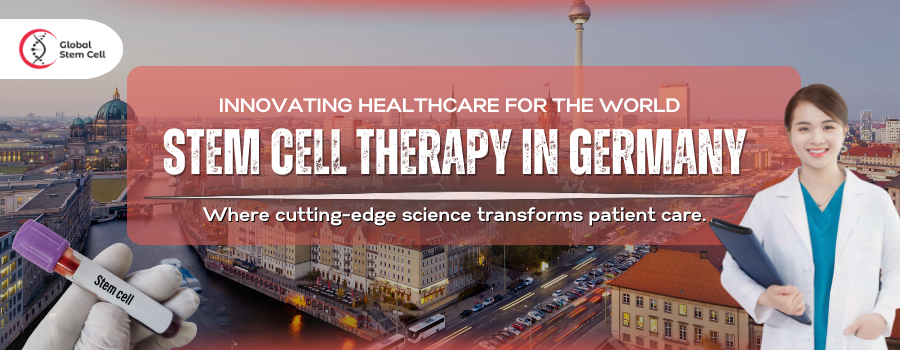
Germany stands at the forefront of global medical innovation, offering patients a unique blend of rigorous scientific standards, cutting-edge technology, and compassionate care. For those seeking Stem Cell in Germany, the country provides an environment where regenerative medicine is not just a treatment, but a scientifically backed journey toward improved quality of life. Unlike many other destinations, Germany enforces strict regulatory oversight through federal bodies, ensuring that therapies are safe, ethical, and effective.
Medical tourists from around the world are increasingly turning to Germany for solutions to complex chronic conditions, orthopedic injuries, and anti-aging therapies. The combination of precision engineering—a hallmark of German culture—and advanced biotechnology makes it a top-tier destination for patients who refuse to compromise on quality.
The Evolution of Regenerative Medicine in Europe
The landscape of Stem Cell in Germany has evolved significantly over the last two decades. Moving beyond experimental phases, German clinics now utilize standardized protocols for harvesting and administering stem cells. Whether utilizing autologous (patient’s own) stem cells derived from bone marrow or adipose tissue, or exploring allogenic options under strict legal frameworks, the focus remains on minimizing risk and maximizing therapeutic potential.
Did You Know?
Germany is home to the Paul-Ehrlich-Institut, a federal agency specifically dedicated to vaccines and biomedicines. It sets some of the strictest safety standards in the world for Stem Cell in Germany, ensuring that patients receive treatments that meet the highest pharmaceutical grade requirements.
Why Choose Germany for Stem Cell Therapy?
Choosing a destination for medical travel is a critical decision. Germany offers a distinct advantage due to its “Made in Germany” reputation, which extends to healthcare. The country’s approach to Stem Cell in Germany is rooted in evidence-based medicine, providing peace of mind to international patients.
World-Class Medical Infrastructure
German hospitals and specialized clinics are equipped with state-of-the-art laboratories. This allows for the immediate processing of cells in a sterile, closed-system environment, drastically reducing infection risks and increasing cell viability.
- Strict Regulatory Environment: The German Drug Act (AMG) rigorously regulates the manufacturing and use of cellular products.
- Highly Trained Specialists: German physicians undergo extensive training and often contribute to global research in regenerative medicine.
- Interdisciplinary Approach: Treatment plans often involve a team of experts, including immunologists, orthopedists, and internal medicine specialists.
- English-Speaking Staff: Most medical professionals in Germany speak fluent English, ensuring clear communication.
- Strategic Location: Central in Europe, Germany is easily accessible from the US, UK, and Middle East.
- Holistic Care: Clinics often combine stem cell therapy with physiotherapy and nutritional support for better outcomes.
Facts
Germany consistently ranks in the top tier of the Euro Health Consumer Index, recognized for its accessibility, outcomes, and range of services. The country invests a significant percentage of its GDP into healthcare research, driving innovations in Stem Cell in Germany.
Cost of Popular Stem Cell Treatments in Germany
While the cost of Stem Cell in Germany may be higher than in some Asian or Latin American countries, it is often competitive with or lower than prices in the United States, with the added benefit of stringent EU safety regulations. The price reflects the quality of laboratory processing, the expertise of the medical team, and the comprehensive care package.
Price Comparison Table
| Procedure Name | Average Cost in Germany ($) | Cost Comparison (USA/UK) |
|---|---|---|
| Orthopedic Knee Stem Cell Therapy | $3,500 – $7,000 | $5,000 – $10,000 |
| Hip Joint Regeneration | $4,000 – $7,500 | $6,000 – $12,000 |
| Shoulder Rotator Cuff Therapy | $3,500 – $6,500 | $5,000 – $9,000 |
| Systemic Anti-Aging IV Therapy | $12,000 – $22,000 | $20,000 – $35,000 |
| Stem Cell for COPD/Lung Disease | $15,000 – $25,000 | $25,000+ |
| Therapy for Autism Spectrum | $14,000 – $20,000 | $18,000 – $30,000 |
| Diabetes Management Therapy | $16,000 – $24,000 | $25,000+ |
| Multiple Sclerosis Treatment | $18,000 – $28,000 | $30,000+ |
| Hair Restoration (Stem Cell) | $3,000 – $6,000 | $5,000 – $9,000 |
| Erectile Dysfunction Therapy | $4,500 – $8,000 | $6,000 – $10,000 |
| Parkinson’s Disease Protocol | $18,000 – $30,000 | $30,000+ |
| Spinal Cord Injury Protocol | $20,000 – $35,000 | $40,000+ |
| Liver Regeneration Therapy | $17,000 – $26,000 | $28,000+ |
Alert Prices listed are estimates and can vary based on the number of stem cells required, the source of the cells (bone marrow vs. adipose), and the length of hospital stay. Always request a fully itemized quote that includes anesthesia, hospital fees, and follow-up consultations to avoid hidden costs.
How Medical Tourism Works in Germany
Navigating the medical system in a foreign country can seem daunting, but the process for obtaining Stem Cell in Germany is streamlined and efficient. German international patient centers are accustomed to handling complex cases from abroad.
The Patient Journey: Step-by-Step
- Initial Inquiry: Submit your request through PlacidWay, detailing your medical condition.
- Medical Records Review: You will need to send recent MRI scans, X-rays, and blood work. German doctors require comprehensive data to determine candidacy.
- Telemedicine Consultation: A video call with the specialist to discuss the treatment plan and expected outcomes.
- Treatment Plan & Quote: Receive a formal proposal outlining the therapy protocol and total costs.
- Visa & Logistics: Apply for a Schengen Medical Visa if required. PlacidWay can assist with accommodation options.
- Arrival & Procedure: Arrive in Germany 1-2 days before treatment for pre-op checks. The procedure typically takes a few hours to a day.
- Recovery & Follow-up: Spend a few days recovering in Germany before flying home. Follow-up is conducted remotely.
Tips
Ensure your medical records are translated into English or German before submission. High-resolution digital copies of imaging (DICOM format) are essential for orthopedists to accurately assess joint damage before you travel.
Top Medical Destinations in Germany
Germany is decentralized, meaning excellent medical care is available across various cities, not just the capital. However, certain hubs are renowned for specific types of Stem Cell in Germany.
Major Hubs for Regenerative Medicine
- Frankfurt: As a major international transport hub, Frankfurt is home to some of the most advanced private clinics specializing in integrative medicine and stem cell therapies for chronic diseases.
- Munich: Known for its world-class orthopedic centers. Many professional athletes travel to Munich for joint regeneration and sports injury treatments.
- Berlin: The capital city boasts large university hospitals and research centers focusing on neurological conditions and experimental therapies.
- Hamburg: A center for internal medicine and oncology, offering supportive therapies and advanced diagnostics.
- Heidelberg: Famous for its university clinics, Heidelberg is a destination for complex cases requiring a multidisciplinary approach.
- Düsseldorf: Known for cosmetic and aesthetic regenerative medicine, as well as high-end private medical practices.
Success Stories: Transforming Lives in Germany
Patients seeking Stem Cell in Germany often come with stories of chronic pain or conditions deemed “untreatable” at home. The success rates in Germany are supported by precise application techniques and high cell viability counts.
Overcoming Knee Pain – James from the UK
“I was told I needed a double knee replacement at 55. I wasn’t ready for that. I traveled to Munich for stem cell therapy. The precision of the German doctors was incredible. Six months later, I’m hiking again without pain. The facility was cleaner than any hospital I’ve seen.”
New Hope for Autism – The Sarah Family from USA
“We researched the entire world for our son’s treatment. Germany stood out because of the regulations. We felt safe. The care we received in Frankfurt was compassionate and professional. We have seen improvements in his focus and speech that we didn’t think were possible.”
These stories highlight not just the clinical success, but the patient experience—marked by efficiency, cleanliness, and clear communication.
Accreditations and Quality Assurance
Safety is the primary concern for any medical tourist. Germany’s healthcare system is one of the most regulated in the world. When seeking Stem Cell in Germany, look for the following accreditations which signify adherence to strict standards.
Key Certifications to Look For
- ISO 9001: International standard for quality management systems, common in German clinics.
- TÜV Certification: A German-specific safety and quality certification that is highly respected globally.
- Paul-Ehrlich-Institut Approval: For institutions manufacturing stem cell products, approval from this federal body is the gold standard of safety.
- GMP (Good Manufacturing Practice): Laboratories processing stem cells must adhere to GMP guidelines to ensure the product is free from contamination.
- KTQ (Cooperation for Transparency and Quality in Healthcare): A specific German certification for hospital quality management.
- State Medical Chamber Membership: All practicing physicians must be registered members of their respective State Medical Chamber (Landesärztekammer).
Safety and Legal Aspects of Stem Cell in Germany
Germany has one of the strictest legal frameworks for stem cell therapy in the world. This is a significant benefit for patients, as it filters out unsafe or unproven practices.
Understanding the Regulations
The German Drug Act (AMG) classifies stem cells as “Advanced Therapy Medicinal Products” (ATMPs). This means that any clinic offering these treatments must hold a manufacturing license if they process the cells significantly.
- Autologous Treatments: Procedures where cells are taken from the patient and re-injected during the same surgical procedure (point-of-care) are widely permitted and safe.
- Processing Standards: If cells are cultured or expanded in a lab, that lab must be GMP-certified.
- Ethical Standards: Embryonic stem cell research and therapy are heavily restricted and generally not available for medical tourism due to ethical laws. Germany focuses on adult stem cells (mesenchymal) which are ethically non-controversial.
AlertBe wary of clinics in Europe claiming to offer “embryonic” stem cells without strict scientific backing. Germany strictly prohibits unethical stem cell practices. Stick to clinics offering Autologous (your own) or ethically sourced Allogenic (donor) cord tissue cells that comply with German law.
Cost of Living for Medical Tourists
While the medical costs are fixed, your travel expenses will depend on the city and your lifestyle. Germany offers a range of options, from budget-friendly to luxury.
Estimated Travel Expenses
- Accommodation: 3-star hotels range from $80-$120 per night. Luxury hotels near medical centers can range from $200-$400 per night.
- Food: A meal at a mid-range restaurant costs approximately $25-$40. Germany has excellent bakeries and supermarkets for budget-friendly options.
- Transportation: Germany has a world-class public transport system. A weekly pass for trains/buses in cities like Berlin or Munich costs around $35-$45.
- Sim Cards/Data: Prepaid tourist SIM cards with data are available for approx $20-$30.
- Translation Services: While doctors speak English, hiring a personal guide/translator for non-medical activities costs around $30-$50 per hour.
- Flight Connectivity: Frankfurt and Munich are major global hubs, often resulting in competitive airfare prices from the US and Asia.
How to Plan Your Medical Trip to Germany
Planning a trip for Stem Cell in Germany requires attention to detail. Proper preparation ensures a stress-free experience focused on healing.
Planning Checklist
- 6-8 Weeks Before: Contact PlacidWay to start the consultation process. Send medical records.
- 4 Weeks Before: Confirm treatment dates and pay any required deposits. Apply for a Schengen Visa (Type C for medical treatment) if you are from a non-visa-exempt country.
- 3 Weeks Before: Book flights and accommodation. Look for hotels near the clinic (many clinics have partner hotels).
- 1 Week Before: Stop taking anti-inflammatory medications (NSAIDs) if advised by your doctor, as they can interfere with stem cell effectiveness.
- Packing: Bring comfortable loose clothing, medical reports, passport, and a credit card (Visa/Mastercard are widely accepted, Amex less so).
- Arrival: Arrange for airport transfer. Many clinics offer this service for international patients.
Tips
Sunday is a “Ruhetag” (Rest Day) in Germany. Most shops and pharmacies are closed. Plan your arrival and shopping needs accordingly if you land on a weekend.
How PlacidWay Facilitates Your Treatment in Germany
PlacidWay serves as your bridge to the best regenerative medicine providers in Germany. We understand that traveling for Stem Cell in Germany is a significant investment in your health, and we are here to ensure it is safe and effective.
Our Role in Your Journey
- Vetting Providers: We only partner with clinics that meet our strict criteria for safety, accreditation, and patient satisfaction.
- Direct Access: We facilitate direct communication between you and the German medical teams—no middlemen distorting information.
- Cost Transparency: We help you get transparent quotes so you know exactly what you are paying for.
- Comprehensive Support: From initial inquiry to post-treatment follow-up, our team assists with information regarding travel, accommodation, and logistics.
Frequently Asked Questions About Stem Cell in Germany
Here are answers to the most common questions international patients have regarding regenerative medicine in Germany.
Is Stem Cell Therapy legal in Germany?
Yes, but it is strictly regulated. The German Drug Act (AMG) permits stem cell therapies, particularly autologous treatments (using your own cells) and those performed under special manufacturing licenses. This regulation ensures high safety standards.
What types of Stem Cells are used in Germany?
Clinics primarily use Mesenchymal Stem Cells (MSCs) derived from the patient’s own bone marrow or adipose (fat) tissue. Some clinics also offer cord blood tissue cells under specific regulations. Germany does not typically use embryonic stem cells due to ethical laws.
How long do I need to stay in Germany?
For most orthopedic procedures, a stay of 3 to 5 days is sufficient. For more complex systemic conditions or neurological treatments, a stay of 1 to 2 weeks may be recommended to monitor progress and administer supportive therapies.
Will my insurance cover Stem Cell in Germany?
Generally, international health insurance and government schemes (like Medicare) do not cover experimental or regenerative therapies abroad. However, some private insurance plans may cover portions of the diagnostic or hospital fees. It is best to check with your provider.
What is the success rate of the treatment?
Success rates vary by condition and patient age. For orthopedic conditions like osteoarthritis, patients often report significant pain reduction and improved mobility in 75-85% of cases. Systemic conditions vary more widely. German doctors are known for being honest about expected outcomes.
Do German doctors speak English?
Yes, the vast majority of specialists in Germany speak fluent English. Medical reports and communication are easily handled in English, making it a comfortable destination for international patients.
Is the procedure painful?
Most stem cell harvesting procedures (from bone marrow or fat) are minimally invasive and performed under local anesthesia or mild sedation. Patients typically experience only minor soreness at the harvest site for a few days.
How soon can I fly after the procedure?
Most patients are cleared to fly 24 to 48 hours after the procedure, depending on how they feel. However, doctors usually recommend resting in the city for at least 2 days post-treatment for a final check-up.
Can I bring a companion?
Yes, it is highly recommended to bring a companion for support. Most partner hotels and even some hospital suites in Germany accommodate accompanying persons.
Why is Germany more expensive than Mexico or Turkey?
The higher cost reflects the strict EU regulatory compliance, the high cost of maintaining GMP-certified laboratories, the qualifications of the medical staff, and the overall economic safety net of the German healthcare system.
Ready to Restore Your Health in Germany?
Your journey to recovery begins with a single step. Don’t let chronic pain or degenerative conditions limit your life any longer. By choosing Stem Cell in Germany, you are opting for safety, precision, and world-class medical expertise.
PlacidWay is here to guide you through every stage of the process, from finding the right clinic to booking your appointment. Click the button below to receive a free, no-obligation quote and start planning your medical trip today.