
Can Stem Cell Therapy in Thailand Change Lives for SCI Patients?

Stem Cell Therapy for Spinal Cord Injuries in Thailand: Life-Changing Treatments for Middle Eastern Patients

Stem Cell Therapy for Spinal Cord Injuries in Thailand: Life-Changing Treatments for Middle Eastern Patients

Stem cell therapy for spinal cord injuries in Thailand offers Middle Eastern patients access to high-quality, culturally sensitive care with significant cost savings. This comprehensive guide details 14-21 day MSC-based treatment protocols, aiming to restore lost functions. Patients can experience savings of up to 75% compared to US costs, all within JCI-accredited facilities that provide Halal food and Arabic translation services.

Spinal cord injuries (SCI) were once thought to be permanent, leaving many individuals facing lifelong paralysis and dependency. However, significant advancements in regenerative medicine are rapidly changing this outlook. For Middle Eastern patients seeking innovative and effective solutions, Thailand has emerged as a leading global destination for cutting-edge stem cell therapy.

Thai medical facilities combine world-class technology with deep cultural understanding, offering a unique blend of expertise and hospitality. This guide provides a comprehensive overview of Stem Cell Therapy for Spinal Cord Injuries in Thailand: Life-Changing Treatments for Middle Eastern Patients. It will help you understand the procedures, costs, and realistic expected outcomes. This information aims to empower you to make informed decisions about your medical journey towards enhanced quality of life.

What Are the Core Benefits of Stem Cell Therapy in Thailand?

  • Significant Cost Savings: Middle Eastern patients can save 50%–75% on stem cell therapy in Thailand compared to the US or Europe. This is achieved without compromising on medical quality or safety standards.
  • All-Inclusive Treatment Packages: Comprehensive packages often include stem cell cultivation, multiple injection sessions, intensive neuro-rehabilitation, accommodation, and vital logistical support like airport transfers and Arabic translation.
  • Advanced Treatment & Rehabilitation: Thai protocols uniquely combine stem cell injections with intensive physical therapy, aquatherapy, and transcranial magnetic stimulation (TMS). This integrated approach is designed to maximize potential recovery outcomes.
  • Exceptional Cultural Sensitivity: Leading hospitals provide dedicated “Arab Medical Centers” with female doctors for female patients. Halal food, prayer facilities, and specialized Arabic translators ensure a comfortable and respectful environment.
  • Globally Recognized Safety Standards: Thailand’s top medical facilities hold JCI accreditation, ensuring adherence to rigorous international safety protocols. This provides peace of mind regarding the quality and reliability of care.

How Does Stem Cell Therapy for SCI Work to Promote Recovery?

Stem cell therapy directly targets the root cause of paralysis by fostering the regeneration of damaged neurons and aiming to bridge gaps within the spinal cord tissue. This innovative approach seeks to reactivate nerve pathways and improve functional recovery. It offers new hope for individuals with spinal cord injuries.

The human spinal cord possesses limited self-repair capabilities after severe trauma. Stem cell therapy introduces powerful, undifferentiated cells into the body. These “building blocks” have the remarkable ability to differentiate into specialized cells like neurons and glial cells. They replace damaged tissue and create a more conducive environment for healing. This regenerative process is critical for restoring lost neurological functions.

The mechanism of action involves several key processes. Neuroprotection prevents further nerve cell death immediately after injury. Immunomodulation reduces inflammation at the injury site, a major barrier to healing. Regeneration stimulates the growth of new axons and myelin sheaths, which are crucial for nerve signal transmission. Lastly, angiogenesis promotes new blood vessel formation, ensuring oxygen and nutrient supply to healing tissues. Mesenchymal Stem Cells (MSCs), typically from umbilical cord tissue or bone marrow, are widely used for their safety and anti-inflammatory properties. Neural Stem Cells (NSCs) are also used for their direct differentiation into nerve cells. Treatments can use autologous cells (from the patient) or allogeneic cells (from screened donors), with allogeneic often preferred for their potency.

What Are the Anticipated Outcomes and Associated Risks of Stem Cell Therapy for SCI?

Evidence & Outcomes: While stem cell therapy for SCI is not a definitive cure, a significant 60-70% of patients report notable quality-of-life improvements. These include regained sensation, improved bladder control, or increased muscle strength. It is crucial to set realistic expectations; complete reversal of paralysis, particularly for complete injuries (ASIA A), is rare. However, even minor improvements can profoundly impact daily living. Ideal candidates typically have incomplete spinal cord injuries (ASIA B, C, D) and seek treatment within the first two years, though chronic cases can still benefit. Measurable outcomes often include improved autonomic function (bowel/bladder control), return of sensation, increased motor function, and reduced spasticity.

Risks & Contraindications: Stem cell therapy is generally considered safe, but selecting a reputable, internationally accredited facility is critical to minimize risks. Potential side effects are usually mild and temporary, such as transient fever, flu-like symptoms (24-48 hours), headache (post-lumbar puncture), or mild injection site pain. Rare but serious risks include infection (meningitis), especially if procedures are not performed in sterile, hospital-grade operating rooms. Cell rejection is rare with MSCs due to their “immune-privileged” nature, but remains a possibility. The risk of tumorigenesis (cells forming tumors) is associated with Embryonic Stem Cells (ESCs); reputable clinics in Thailand primarily use Adult MSCs, which have a proven safety record without this risk. Always consult a qualified healthcare professional to discuss individual risks and benefits.

Did You Know?

Did you know that Thailand welcomes over 500,000 medical tourists from the Middle East annually, making it one of the most experienced regions in the world for handling specific cultural and medical needs of Arab patients, ensuring high-quality, culturally sensitive care?

How Much Does Stem Cell Therapy for Spinal Cord Injuries Cost?

Thailand stands out for offering highly competitive “all-inclusive” packages for stem cell therapy, often proving to be significantly more affordable than similar treatments in Western countries. These transparent packages bundle essential components like the treatment itself, comprehensive rehabilitation, and various logistical services. Patients from the Middle East can expect to save 50-75% compared to costs in the US or Europe. This cost-effectiveness is attributed to lower operational expenses and a highly competitive medical tourism sector, ensuring value without compromising on quality of care.

Cost Breakdown

Major Savings

Country Estimated Cost Average Savings (vs. Thailand)
Thailand $15,000 – $35,000 Starting Point Best Value
United States $25,000 – $100,000+ ~58% Savings (using $60k vs $25k)
Germany / Europe $30,000 – $50,000 ~37% Savings (using $40k vs $25k)
Mexico $8,000 – $20,000 Potentially Lower (varies greatly)

Essential Facts & Pro-Tips

1
Fast Fact: Thai medical facilities, particularly those catering to international patients, are often JCI-accredited. This ensures they meet stringent global standards for patient safety and quality of care, providing significant peace of mind.
2
Travel Tip: Many Middle Eastern citizens enjoy visa-exemption or visa-on-arrival status for medical treatment in Thailand. Combined with culturally sensitive amenities like Halal food and Arabic translators, it creates a welcoming environment for patients and their families.
3
Recovery Tip: The effectiveness of stem cell therapy is often boosted by integrating intensive rehabilitation. Thai treatment packages typically include physiotherapy, occupational therapy, and other supportive therapies like hyperbaric oxygen and acupuncture to maximize cellular integration and functional recovery.

Navigating Your Stem Cell Therapy Journey in Thailand: A Typical Protocol

The treatment protocol for stem cell therapy in Thailand typically spans 14 to 21 days. This comprehensive period allows for cell preparation, multiple injection sessions, and a crucial phase of aggressive physical rehabilitation. The process is designed to be minimally invasive while ensuring optimal cell delivery and integration. It focuses on maximizing the potential for recovery and functional improvement.

Phase 1: Pre-Arrival & Initial Evaluation
Comprehensive Medical Review
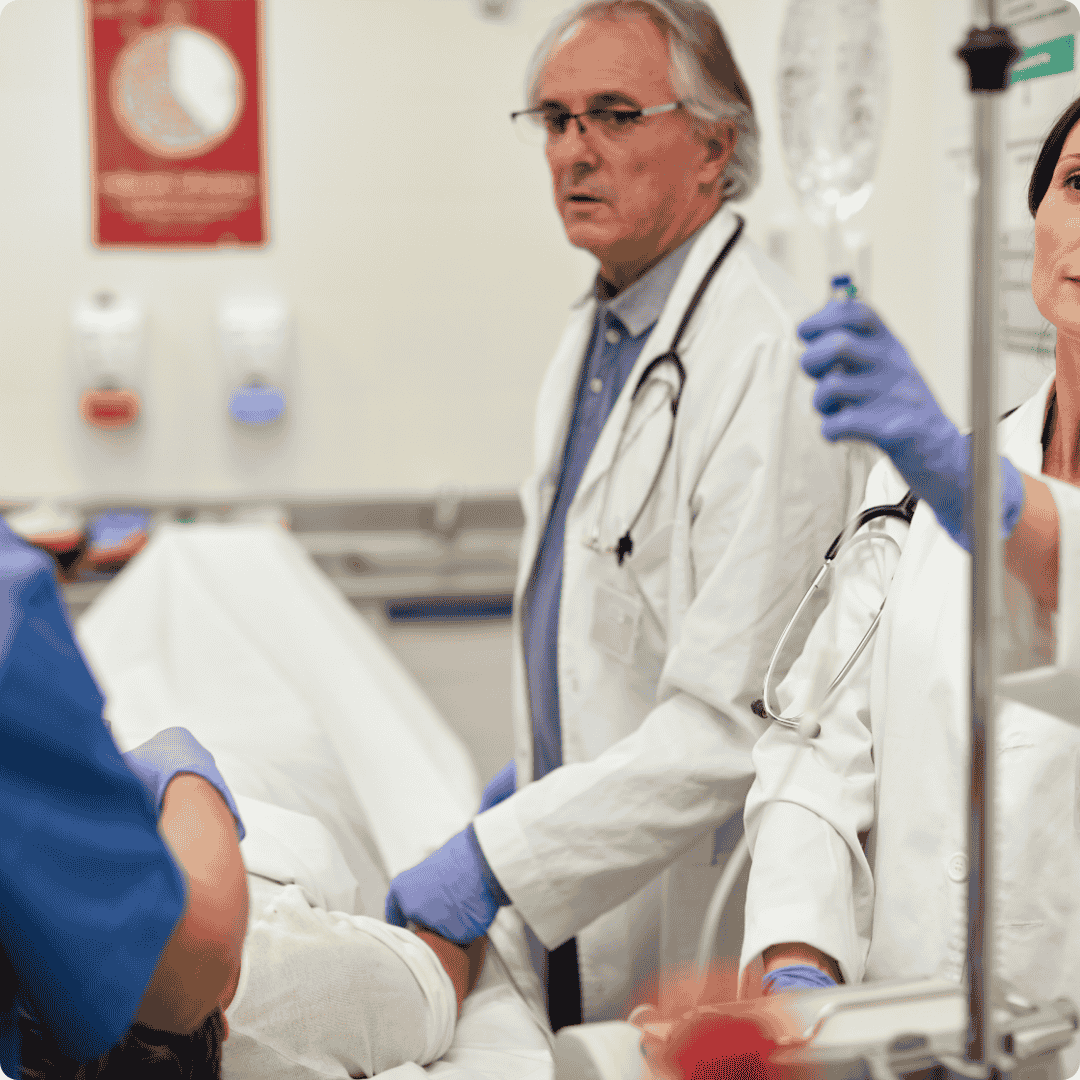
Before your arrival, medical teams meticulously review your MRI scans and detailed medical history. Upon landing in Bangkok, patients undergo thorough blood tests and physical evaluations to confirm candidacy and tailor the treatment plan.
Phase 2: Stem Cell Administration
Precise Injection Protocols
Stem cells are administered through various routes, including intrathecal injection (lumbar puncture) directly into the spinal canal fluid, intravenous (IV) infusion for systemic benefits, and in some cases, local injections into muscles surrounding the spine for enhanced support. These sessions are carefully spaced over several days.
Phase 3: Intensive Supportive Therapies
Maximizing Recovery Potential
Following cell administration, a crucial period of intensive rehabilitation begins. This includes physiotherapy to retrain muscles, occupational therapy to relearn daily tasks, hyperbaric oxygen therapy (HBOT) to boost cell survival, and complementary therapies like acupuncture and laser therapy to stimulate nerve pathways. This active rehabilitation is vital for the new cells to integrate effectively.

Frequently Asked Questions About Stem Cell Therapy for SCI in Thailand

1. Is this treatment safe in Thailand?+

Yes, stem cell therapy in Thailand is generally safe when performed in reputable, JCI-accredited facilities. Thailand has a regulated framework for medical tourism and regenerative medicine. Choosing clinics compliant with Thai FDA regulations and international GMP standards for cell culturing is crucial to minimize risks and ensure effective treatment outcomes.

2. How long do I need to stay in Thailand for treatment?+

Most comprehensive stem cell therapy packages for spinal cord injury in Thailand typically require a stay of 14 to 21 days. This duration allows sufficient time for multiple stem cell injections, which are usually spaced days apart. Critically, it also includes a crucial course of intensive rehabilitation, essential for helping the body integrate and effectively utilize the newly administered cells.

3. Is stem cell therapy in Thailand legal and regulated?+

Yes, stem cell therapy is legal in Thailand and operates within a regulated framework for medical tourism and regenerative medicine. The Thai government actively supports medical tourism, and many clinics adhere to international standards. It is essential to choose clinics that strictly comply with Thai FDA regulations and international Good Manufacturing Practice (GMP) standards for cell culturing to ensure safety and efficacy.

4. Why is Thailand cheaper than the US for medical treatments?+

The lower cost of medical treatments in Thailand compared to the US is primarily due to several economic factors. These include a lower cost of living, reduced labor expenses, and more affordable hospital operational costs. This difference in pricing does not reflect a compromise on quality. Thailand’s highly competitive medical tourism sector drives clinics to offer value-packed, all-inclusive bundles. This ensures transparent pricing and protection from unexpected hospital bills, unlike the out-of-pocket expenses often seen in the US.

5. Can I bring my family with me during my treatment stay?+

Absolutely. Thai medical culture is renowned for being very family-oriented, making it an excellent destination for patients who wish to travel with loved ones. Many hospital suites are designed to include space for family members to stay comfortably. Additionally, hotels in popular medical tourism cities like Bangkok are accustomed to hosting large families from the Middle East for extended periods, offering amenities and services tailored to their needs.

6. Are the stem cells used in Thailand considered Halal?+

Mesenchymal stem cells (MSCs) commonly used in Thailand are typically derived from umbilical cord tissue or the patient’s own body (e.g., bone marrow or fat). These sources do not involve porcine (pork) products. Most reputable clinics catering to international patients, especially those from the Middle East, are fully aware of and sensitive to Halal requirements for all medical and dietary products, ensuring compliance for Muslim patients.

7. Will I need to return for additional stem cell treatments?+

Many patients choose to return for “booster” treatments 6 to 12 months after their initial therapy if they observe significant progress. Spinal cord injury recovery is often a cumulative process, meaning that initial treatments might focus on restoring basic sensation, while subsequent rounds could target more complex functions like motor control. The decision for additional treatments is typically made in consultation with your medical specialist based on individual progress and goals.

8. Who is considered an ideal candidate for SCI stem cell therapy?+

The ideal candidate for stem cell therapy for spinal cord injury typically has an incomplete SCI (ASIA B, C, D), as these injuries tend to respond best to regenerative treatments. Treatment is most effective when initiated within the first two years post-injury, though chronic cases (5+ years) can still show improvements in quality of life. Patients must also be free of active infections and cancer to be eligible for the procedure, ensuring their overall health supports the regenerative process.

Ready to Take the Next Step Towards Recovery?

Choosing the right destination for your medical care is significant. By opting for treatment abroad, you are not just saving on costs—you are gaining access to specialized clinicians and world-class care.

Get Your Free Quote Now

Related Resources

Medical Disclaimer: This article is for informational and educational purposes only and does not constitute medical advice, diagnosis, or treatment recommendations. The information provided is thoroughly researched but should not replace a consultation with a qualified healthcare professional. No guaranteed outcomes are promised. Always seek the advice of your physician or other qualified health provider with any questions you may have regarding a medical condition.

Picture of About Author: Hina Munawar

About Author: Hina Munawar

As the Editor of Global Stem Cell Therapy, I provide trusted, research-based information on stem cell treatments worldwide. With over a decade of experience in medical tourism, I guide patients toward safe, effective, and affordable therapies.

Related Articles

New Zealanders seeking chronic pain relief turn to Thailand for advanced stem cell therapy. Discover JCI-accredited clinics, costs, risks, success rates, and patient journey.
Compare stem cell therapy for knees in Japan vs China: costs, regulations, cell types, success rates, and patient journeys. Make an informed decision for knee pain relief.
Explore cutting-edge stem cell therapy in Thailand for stroke rehabilitation. UAE patients achieve 50-70% savings on JCI-accredited treatments with superior care via PlacidWay.
GSC Logo X
send


