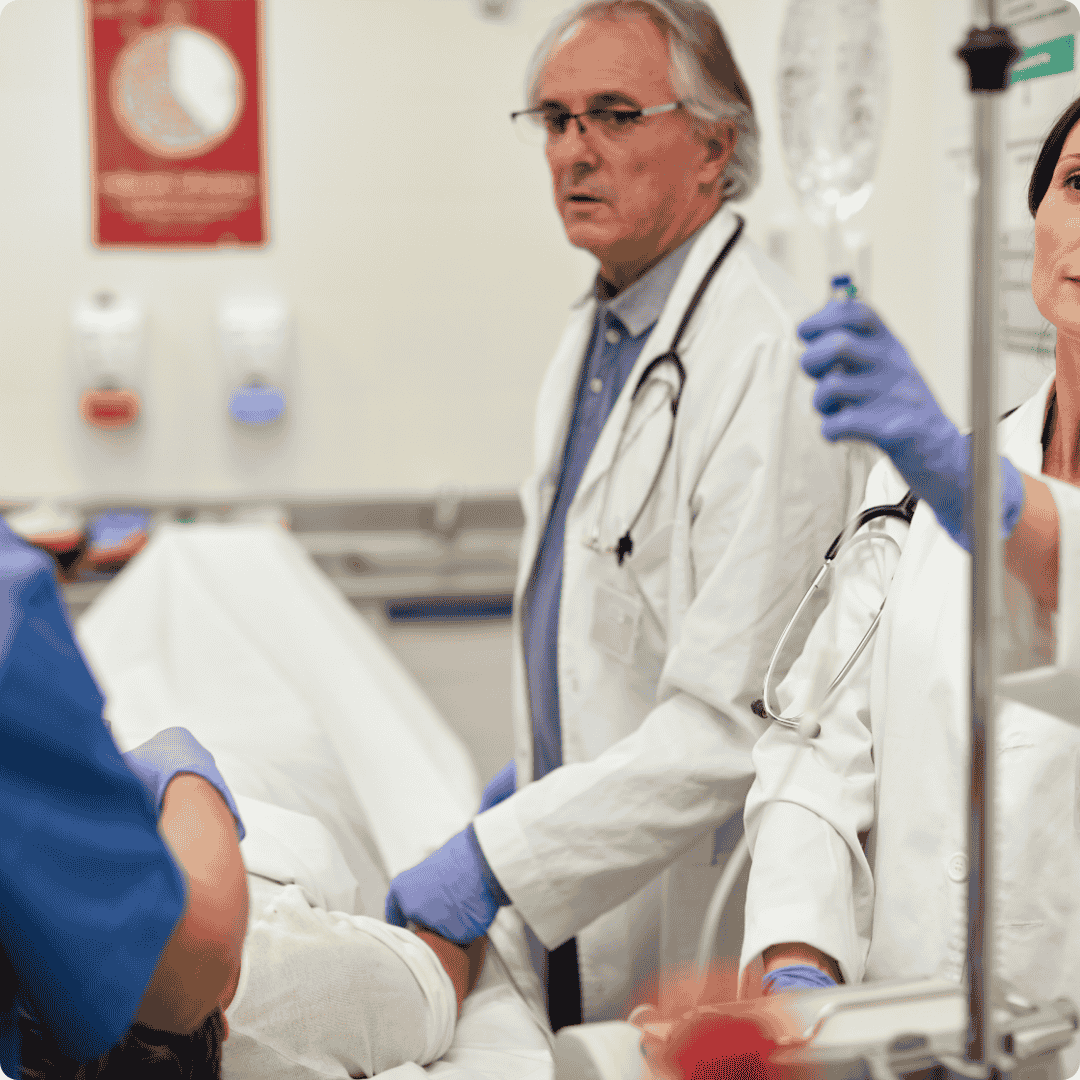
Stem cell therapy in Malaysia can effectively treat tendon and ligament injuries by promoting tissue repair and reducing inflammation. Depending on your specific diagnosis, specialists typically inject concentrated stem cells directly into the damaged area to accelerate healing. Many international patients choose Malaysian clinics for their regulated regenerative protocols and experienced orthopedic doctors.
.png "1770742688 In Pages (2)")
If you are suffering from chronic joint pain or slow-healing sports injuries, exploring Stem Cell Therapy Centers in Malaysia can offer a promising non-surgical alternative to traditional orthopedic repairs. International patients increasingly travel to Southeast Asia because the region combines internationally trained regenerative specialists with state-of-the-art medical facilities overseen by strict national healthcare regulations. Understanding the exact costs, safety protocols, and expected recovery timelines is crucial before you consult Stem Cell Therapy Doctors in Malaysia to ensure this specialized procedure aligns with your long-term healing goals.
Quick Summary of Stem Cell Therapy in Malaysia
- Estimated Cost is generally between $3,500 and $7,000 USD depending on the number of affected joints and the specific cellular extraction method required.
- Safety is strictly regulated by the Malaysian Ministry of Health ensuring that clinics meet national medical standards for cellular therapies.
- The ideal candidate is an individual suffering from partial tendon tears, chronic tendinopathy, or ligament strains that have not responded to conservative physical therapy.
- Recovery time typically involves 4 to 8 weeks of restricted activity for initial tissue healing followed by up to 6 months for complete structural regeneration.
- Patients primarily choose this destination for its combination of affordable advanced medical care and highly proficient English-speaking medical staff.
- Important Caution requires patients to verify that their treating doctor is officially registered with the Malaysian National Specialist Register for orthopedic or sports medicine.
Why Patients Choose Stem Cell Therapy for Tendons in Malaysia
Tendon and ligament injuries are notoriously slow to heal because these dense connective tissues have a naturally poor blood supply. Standard treatments often rely on long periods of rest or invasive surgical repairs that require extended rehabilitation. In recent years, regenerative medicine has transformed orthopedic care by addressing the root cause of tissue damage. Malaysia has rapidly emerged as a leading hub for these advanced cellular therapies. The country offers a highly regulated healthcare environment that attracts thousands of medical travelers annually.
- Access to board-certified orthopedic surgeons with specialized training in regenerative medicine and ultrasound-guided injections.
- Strict enforcement of medical guidelines by the Malaysian Ministry of Health regarding the processing and administration of stem cells.
- Significantly lower treatment costs compared to similar cellular protocols in the United States, Australia, or the United Kingdom.
- State-of-the-art laboratory facilities capable of processing autologous mesenchymal stem cells safely and efficiently.
- Comprehensive care packages that often include diagnostic imaging, the procedure, and personalized post-treatment physical therapy plans.
- A well-developed medical tourism infrastructure featuring English-speaking coordinators and easy access from major global travel hubs.
Medical travelers from neighboring regions and Western nations find that the standard of care in Kuala Lumpur and Penang rivals that of their home countries. The combination of clinical expertise, modern medical technology, and regulatory oversight provides peace of mind for patients seeking alternatives to joint surgery. You receive focused medical attention in facilities designed specifically to handle international patient needs.
How Stem Cell Therapy Heals Ligament Injuries
Ligaments and tendons require specialized cellular activity to rebuild damaged structural proteins like collagen. When a tear or severe strain occurs, your body attempts to heal the area, but often forms weak scar tissue instead of healthy aligned fibers. Stem cell therapy introduces a high concentration of multipotent cells directly into this damaged tissue environment. Once injected, these cells respond to localized inflammatory signals and begin the complex process of tissue regeneration.
| Healing Phase | Biological Action | Patient Sensation |
|---|---|---|
| Inflammatory Modulation | Stem cells release cytokines to reduce chronic joint inflammation. | Mild swelling followed by noticeable pain reduction. |
| Cellular Proliferation | New blood vessels form to increase local nutrient delivery. | Gradual improvement in joint mobility and comfort. |
| Tissue Remodeling | Collagen fibers align properly to restore tendon strength. | Significant return to normal activities without severe pain. |
The primary mechanism relies on mesenchymal stem cells which have the unique ability to differentiate into specific connective tissues. These cells not only replace damaged cells but also act as managers for the healing process. They secrete growth factors that stimulate your existing local cells to work harder. This dual action is why many patients experience profound improvements in joint stability and a reduction in chronic pain associated with tendinopathy.
Patient Demographics for Malaysian Regenerative Medicine
The landscape of global healthcare travel continues to shift as patients seek out specialized treatments unavailable or unaffordable in their home countries. Based on 2024 medical tourism reports, Malaysia has seen a significant increase in international patients traveling specifically for orthopedic regenerative therapies. This growth is driven by aging populations in neighboring countries and active adults seeking to maintain their mobility without undergoing invasive joint replacements.
Source: 2024 Cross-Border Healthcare Analytics on Orthopedic Medical Tourism to Southeast Asia.
The demographic profile of these patients is quite specific. A large majority fall between the ages of 40 and 65, representing individuals dealing with early stage osteoarthritis or repetitive stress injuries like Achilles tendinopathy and tennis elbow. There is also a growing segment of younger athletes in their 30s traveling to expedite recovery from acute sports injuries. This diverse patient base highlights the broad applicability of stem cell therapy across different stages of physical wear and tear.
Cost of Stem Cell Therapy for Joint Injuries in Malaysia
Financial considerations are a major factor for patients exploring regenerative medicine abroad. In many Western countries, cellular therapies are not covered by standard health insurance because they are still classified as elective or experimental procedures by regional medical boards. This leaves patients paying entirely out of pocket. Malaysia offers a transparent and highly competitive pricing structure that allows patients to access these advanced treatments without extreme financial burden.
| Treatment Destination | Estimated Procedure Cost USD | Consultation and Imaging USD |
|---|---|---|
| United States | $8,000 to $15,000 | $500 to $1,200 |
| Australia | $7,000 to $12,000 | $300 to $800 |
| United Kingdom | $6,500 to $10,000 | $400 to $900 |
| Malaysia | $3,500 to $7,000 | $150 to $350 |
When reviewing quotes from Malaysian clinics, it is important to ask for an itemized breakdown. A comprehensive package should detail the costs for the initial orthopedic consultation, MRI or ultrasound imaging, the cellular extraction process, laboratory processing fees, and the actual image-guided injection. Hidden costs are rare in regulated facilities, but you should always confirm whether post-injection physical therapy sessions or follow up telemedicine consultations are included in your final price.
Evaluating Malaysian Orthopedic Clinic Credentials
Selecting the right medical facility is the most important step in your healthcare journey. Malaysia maintains strict oversight of its private healthcare sector, which provides a strong baseline of safety for international patients. However, you must still conduct personal due diligence before committing to a treatment plan. The best clinics operate transparently and are happy to share their licensing and certification details with prospective patients.
Important Warning: Never undergo stem cell therapy at a cosmetic spa or unverified wellness center. Regenerative orthopedic procedures must be performed in a sterile clinical environment licensed by the Malaysian Ministry of Health and ideally accredited by the Malaysian Society for Quality in Health.
You should verify that the clinic utilizes a certified on-site or partnered laboratory for processing biological materials. Handling stem cells requires precise temperature control, sterile environments, and specialized centrifugation equipment to prevent contamination and ensure cell viability. Clinics that lack transparent laboratory protocols may deliver ineffective treatments or put you at risk of serious joint infections.
Finding a Qualified Regenerative Specialist in Malaysia
The success of your treatment depends heavily on the medical expertise of your doctor. Administering stem cells into a damaged tendon is not a simple injection. It requires precision targeting using real time ultrasound guidance to ensure the biological material is placed exactly where the tissue is torn. If the injection misses the damaged area by even a few millimeters, the cells may not properly engage with the injury site.
- Verify that the doctor is registered with the Malaysian Medical Council as a fully licensed medical practitioner.
- Check the National Specialist Register to confirm they hold formal credentials in orthopedic surgery or sports medicine.
- Ask about their specific training in regenerative therapies and how many image-guided joint injections they perform annually.
- Inquire if they are members of international organizations like the International Cartilage Regeneration and Joint Preservation Society.
A reputable doctor will not guarantee miraculous results. During your consultation, they should provide a realistic assessment of your condition based on recent imaging. If your tendon is completely ruptured, a qualified specialist will tell you honestly that stem cell therapy alone will not bridge the gap, and they may recommend surgical repair instead. Trust doctors who prioritize accurate diagnosis over securing a procedure booking.
Clinical Evidence for Tendon Repair with Stem Cells
The medical community continues to study the long term efficacy of cellular therapies for connective tissue repair. Recent clinical data indicates that when properly administered, autologous stem cells can significantly alter the healing trajectory of chronic injuries. Patients with conditions that previously failed to respond to physical therapy or corticosteroid injections often show measurable improvements in tissue integrity on follow up MRI scans.
Source: 2024 Clinical Review of Patient Outcomes Following Image-Guided Autologous Cellular Injections for Tendinopathy.
While individual outcomes vary based on age, overall health, and injury severity, the consensus among modern orthopedic specialists is that cellular therapies offer a valuable tool for joint preservation. The most successful outcomes are typically observed in patients who strictly adhere to post-injection rehabilitation protocols. The biology requires time to build new tissue, and early clinical results confirm that rushing recovery can disrupt the cellular remodeling process.
Treatment Timeline and Recovery Expectations in Malaysia
Planning your medical trip requires understanding both the immediate procedure timeline and the long term recovery demands. The treatment itself is usually performed as an outpatient procedure. You will likely need to spend five to seven days in Malaysia to accommodate initial consultations, imaging, the extraction and injection process, and a brief follow up appointment before you are cleared to fly home.
| Timeframe | Patient Activity Level | Biological Process Occurring |
|---|---|---|
| Days 1 to 3 | Strict rest with minimal joint movement. No anti-inflammatory medications. | Acute localized inflammation as stem cells activate healing pathways. |
| Weeks 1 to 4 | Gentle range of motion exercises. Avoid load bearing or heavy lifting. | Cellular proliferation and early stage collagen formation begins. |
| Months 2 to 3 | Structured physical therapy to strengthen surrounding muscles. | Tendon tissue remodels and aligns to handle increased physical stress. |
| Months 4 to 6 | Gradual return to sports and high impact activities as cleared by a doctor. | Tissue maturation leading to maximum structural joint stability. |
During the first few weeks, it is normal to experience increased soreness in the treated area. This is a sign that the inflammatory healing cascade has been successfully triggered. You must avoid non-steroidal anti-inflammatory drugs during this crucial window, as they can inhibit stem cell function. Rely instead on doctor prescribed pain management strategies and physical therapy designed to safely stimulate the new tissue.
Comparing Regenerative Medicine to Traditional Orthopedic Surgery
When facing a chronic tendon or ligament injury, you must weigh the benefits and drawbacks of different treatment modalities. Traditional surgery remains the gold standard for massive, complete tendon ruptures that physically cannot heal without mechanical reattachment. However, for partial tears and degenerative tendinopathy, regenerative medicine presents a compelling, less invasive alternative.
Stem Cell Therapy
Focuses on biological regeneration rather than mechanical repair. It is a minimally invasive outpatient procedure requiring no general anesthesia. Infection risks are extremely low. Recovery focuses on protecting the biological process rather than healing surgical incisions. It may take several months to feel the full pain relief benefits as tissue slowly rebuilds.
Traditional Surgery
Mechanically reconnects torn tissues using sutures or anchors. Requires hospitalization, general anesthesia, and extensive wound care. Carries higher risks for infection, nerve damage, and surgical complications. Rehabilitation is often lengthy and painful, though it provides immediate structural bridging for complete anatomical ruptures.
Your Malaysian orthopedic specialist will use advanced MRI diagnostics to determine which path is most appropriate for your specific injury architecture. Many patients discover that their partial tear is an excellent candidate for cellular repair, allowing them to avoid the operating room entirely while still achieving a functional return to their daily activities.
Potential Risks and Safety Protocols to Consider
While stem cell therapy is generally considered safe, especially when utilizing your own biological material, it is not without risks. Medical tourists must remain vigilant about safety protocols to prevent complications. Because the treatment involves penetrating the joint capsule, the most significant risk is a deep joint infection, which can cause permanent cartilage damage if not immediately treated.
Warning Signs After Treatment: If you experience severe escalating pain, intense joint heat, significant swelling, or a high fever in the days following your injection, you must seek immediate emergency medical evaluation, as these may indicate a joint infection.
Other potential risks include localized bleeding, nerve irritation near the injection site, or simply a failure of the treatment to relieve pain. Choosing a highly credentialed clinic in Malaysia minimizes these risks through strict sterile processing and precise ultrasound guidance. Always confirm that your chosen clinic has a structured emergency protocol and provides clear instructions on how to contact medical staff outside of normal business hours.
Frequently Asked Questions About Stem Cell Therapy in Malaysia
Is stem cell therapy legal and regulated in Malaysia?
Yes, stem cell therapy is highly regulated in Malaysia. The Ministry of Health dictates strict national guidelines regarding the extraction, laboratory processing, and clinical application of cellular therapies to ensure patient safety and ethical medical practices.
How long does the stem cell procedure take at the clinic?
The actual procedure is typically performed on an outpatient basis. The extraction of bone marrow or adipose tissue takes about an hour, followed by laboratory processing. The final image-guided injection takes only a few minutes. You are usually at the clinic for three to five hours in total.
Will I need general anesthesia for this treatment in Malaysia?
No, general anesthesia is not typically required. Most Malaysian orthopedic clinics use localized numbing agents and mild oral sedatives to keep you comfortable during the extraction and injection phases of the procedure.
Can stem cells heal a completely torn ligament?
Stem cell therapy is generally not recommended for completely retracted ligament or tendon ruptures. A complete tear usually requires traditional surgical reattachment. Stem cells are most effective for partial tears and chronic degenerative tendinopathy.
When can I fly home after joint injections in Malaysia?
Most doctors recommend staying in Malaysia for two to three days after your injection to rest the joint and attend a brief follow up evaluation. Once cleared, you can safely board a flight home, provided you avoid heavy lifting with the treated limb.
Are the stem cells used from my own body?
Yes, the safest and most common protocol in Malaysian orthopedic clinics utilizes autologous mesenchymal stem cells, which are extracted directly from your own bone marrow or adipose fat tissue to eliminate the risk of immune rejection.
Does stem cell therapy hurt?
Patients usually feel mild discomfort during the tissue extraction process and a pressure sensation during the joint injection. It is normal to experience increased soreness and inflammation in the treated area for a few days after the procedure as the healing response begins.
Do Malaysian clinics provide physical therapy after the injection?
Many top clinics in Kuala Lumpur offer comprehensive packages that include initial physical therapy guidance. However, since the rehabilitation process spans several months, you will need to arrange for a local physical therapist in your home country to oversee your long term recovery.
Can I take pain medication after stem cell therapy?
You must strictly avoid non-steroidal anti-inflammatory drugs like ibuprofen because they suppress the exact inflammatory healing process the stem cells are trying to promote. Your Malaysian doctor will prescribe appropriate alternative pain management options.
How soon will I see results from the treatment?
Stem cell therapy is not an instant fix. It typically takes four to six weeks to begin noticing a reduction in daily pain and an improvement in joint mobility. Maximum tissue regeneration and functional improvement can take up to six months.
PlacidWay can help you easily compare top certified providers, understand exact treatment costs, review specialized clinical options, and ask the right medical questions before you travel.
Related Stem Cell Therapy Resources
Disclaimer: This information is for educational purposes only and does not replace professional medical advice. Always consult a qualified healthcare provider before making medical decisions.
References
- Clinical Outcomes of Cellular Therapies for Orthopedic Injuries – National Center for Biotechnology Information
- National Guidelines on Stem Cell Research and Therapy – Ministry of Health Malaysia
- Official Specialist Credential Verification Database – National Specialist Register Malaysia
- Global Standards for Biological and Regenerative Medical Therapies – World Health Organization
- Healthcare Facility Accreditation Standards – Malaysian Society for Quality in Health
- Long-Term Efficacy of Mesenchymal Stem Cells in Tendinopathy – Journal of Orthopaedic Translation