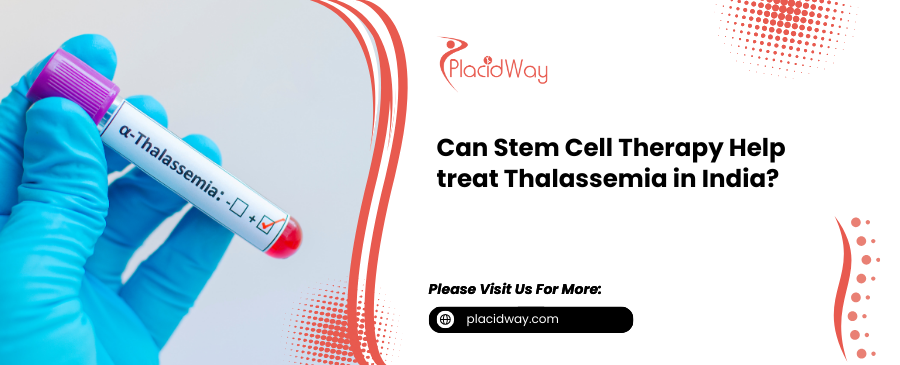
Yes, stem cell therapy, particularly hematopoietic stem cell transplantation (HSCT), offers a potential cure for thalassemia in India, especially for severe forms. This advanced treatment involves replacing defective bone marrow with healthy stem cells, enabling the body to produce normal hemoglobin. For well-selected pediatric patients with a matched sibling donor, success rates in India can range from 80% to over 90% for a cure, making it a highly promising option.
Thalassemia is a widespread genetic blood disorder, significantly impacting millions globally, with a notable prevalence across India. This condition disrupts the body’s ability to produce adequate healthy hemoglobin, leading to chronic anemia and various serious health complications.
Patients often depend on lifelong blood transfusions, which can introduce complications like iron overload, affecting vital organs such as the heart and liver. The ongoing quest for a more definitive treatment has found considerable hope in advancements in stem cell therapy.
In India, the medical landscape is rapidly evolving, with sophisticated therapies becoming more accessible. Stem cell therapy has emerged as a beacon of hope for many families grappling with thalassemia, offering the potential for a complete cure rather than just symptom management. Understanding how Can Stem Cell Therapy Help treat Thalassemia in India? by fundamentally altering the patient’s genetic predisposition to the disease, is crucial.
This article explores the effectiveness, costs, and availability of this crucial treatment in India, providing essential information for patients and their families. As a medical tourism facilitator, PlacidWay connects patients with trusted healthcare providers worldwide, helping them navigate complex medical journeys without providing direct medical care.
Key Benefits of Stem Cell Therapy for Thalassemia in India
- Curative Potential: Stem cell transplantation can offer a permanent cure, eliminating the lifelong need for blood transfusions and reducing related complications.
- Improved Quality of Life: Successful treatment significantly improves energy levels, reduces fatigue, and enhances overall well-being by normalizing hemoglobin production.
- Access to Advanced Care: India provides state-of-the-art medical infrastructure and highly skilled specialists, offering globally comparable treatment standards.
- Cost-Effectiveness: Treatment costs in India are substantially lower than in many Western nations, making world-class therapy more accessible.
- Reduced Organ Damage: By addressing the root cause, the therapy mitigates the risk of iron overload and subsequent damage to organs like the heart and liver.
Understanding Stem Cell Therapy for Thalassemia
Thalassemia is a genetic blood disorder characterized by the body’s inability to produce sufficient healthy hemoglobin, leading to severe anemia and various health complications. This inherited condition affects the red blood cells, which are crucial for oxygen transport throughout the body, causing chronic fatigue and organ dysfunction.
The core principle behind stem cell therapy for thalassemia involves hematopoietic stem cell transplantation (HSCT), often referred to as a bone marrow transplant. This procedure aims to replace the patient’s faulty blood-forming system with a healthy one from a compatible donor. Healthy blood-forming stem cells are infused into the patient’s bloodstream after a conditioning regimen.
These new stem cells then migrate to the bone marrow, where they engraft and begin to produce normal, healthy blood cells, including red blood cells with functional hemoglobin. If successful, this process eliminates the patient’s dependence on regular blood transfusions and offers a potential cure for the genetic disorder.
Success Rates and Potential Risks of Stem Cell Therapy
Evidence & Outcomes: The success rate of stem cell therapy for thalassemia in India has significantly improved, especially in specialized centers. For younger patients (under 7 years) with thalassemia major and a fully HLA-matched sibling donor, cure rates can be as high as 90-95%, leading to transfusion independence. However, outcomes can vary based on donor type, the patient’s pre-transplant health, and the expertise of the medical team.
Risks & Contraindications: Stem cell therapy is an intensive procedure with potential risks, including severe infections due to a suppressed immune system, and graft-versus-host disease (GVHD). Other complications may include organ toxicity from chemotherapy, graft failure, and potential infertility. Patients are advised to consult a qualified physician to discuss these risks thoroughly, and individual results can vary significantly. Seek immediate medical care if you experience high fever, severe pain, or unexplained bleeding after the procedure.
Did You Know?
Did you know that India is home to some of the world’s most advanced medical facilities, where patients often save significant amounts on stem cell therapy for thalassemia while receiving care that meets or exceeds international hospital standards?
Cost Comparison for Stem Cell Therapy for Thalassemia
The cost of stem cell therapy for thalassemia in India is notably lower compared to Western countries, making it a compelling option for many international patients seeking high-quality, affordable care. Prices in India typically range from $20,000 to $50,000 USD, presenting substantial savings without compromising treatment quality.
These costs vary based on factors such as the chosen hospital, the type of donor (matched sibling, unrelated, or haploidentical), the duration of hospital stay, and the specific treatment protocols involved. Patients should request a detailed cost breakdown from their chosen facility for clarity.
Cost Breakdown
Major Savings
| Country |
Estimated Cost |
Average Savings |
| India |
$35,000 USD |
Starting Point Best Value |
| United States |
$180,000 USD |
~81% Savings |
| United Kingdom |
$160,000 USD |
~78% Savings |
| Canada / Australia |
$150,000 USD |
~77% Savings |
Essential Facts & Pro-Tips
1
Fast Fact: India boasts numerous hospitals with NABH or JCI accreditation, ensuring adherence to high international standards for patient care, safety, and quality in stem cell therapy centers.
2
Travel Tip: International patients planning stem cell therapy in India should obtain a medical visa for an extended stay, arrange accommodation near the hospital, and consider medical tourism facilitators for logistical support and language assistance.
3
Recovery Tip: The initial hospital stay for engraftment is typically 4-6 weeks. Full immune system recovery takes 6-12 months, requiring strict precautions against infections and diligent follow-up care for up to a year post-transplant.
The Stem Cell Therapy Treatment Journey
The stem cell therapy journey for thalassemia is comprehensive, involving several critical phases from initial evaluation to long-term recovery. India’s advanced medical infrastructure supports patients through each stage with careful monitoring and specialized care.
Phase 1: Pre-Transplant Evaluation & Conditioning
Detailed Assessments and Donor Matching
This phase involves thorough medical evaluations, infection screening, psychological counseling, and intensive donor matching. Patients then undergo a conditioning regimen, typically chemotherapy, to prepare their body for the new stem cells by suppressing their existing bone marrow and immune system.
Phase 2: The Transplant Procedure
Stem Cell Infusion
Healthy stem cells from the matched donor are infused intravenously into the patient. This procedure is generally straightforward, resembling a blood transfusion. These cells will then begin their journey to the bone marrow to engraft and initiate healthy blood cell production.
Phase 3: Post-Transplant Recovery & Monitoring
Engraftment and Immune Reconstitution
Patients require a hospital stay of 4-6 weeks for initial engraftment. The immune system’s full recovery can take 6-12 months or longer, necessitating close monitoring, immunosuppressant medications, and strict precautions against infections during this critical period.
Frequently Asked Questions About Thalassemia and Stem Cell Therapy
1. What is Thalassemia and How Does it Affect Individuals?+
Thalassemia is an inherited blood disorder where the body produces an abnormal form of hemoglobin, leading to an insufficient number of healthy red blood cells. This results in chronic anemia, fatigue, and weakness. Severe forms, like thalassemia major, often require frequent blood transfusions throughout a patient’s life.
These transfusions can lead to iron overload, which can damage vital organs such as the heart, liver, and endocrine glands, significantly impacting the patient’s quality of life and longevity. Managing the condition requires ongoing medical intervention.
2. How Does Stem Cell Therapy Work for Thalassemia?+
Stem cell therapy for thalassemia primarily involves hematopoietic stem cell transplantation (HSCT), where healthy blood-forming stem cells replace the patient’s defective bone marrow. This process begins with a conditioning regimen, typically chemotherapy, to suppress the existing bone marrow and immune system, creating space for the new cells.
Once the healthy donor stem cells are infused into the patient’s bloodstream, they migrate to the bone marrow, engraft, and begin producing normal hemoglobin. If successful, this enables the body to produce sufficient healthy red blood cells independently, potentially curing the patient’s thalassemia.
3. What are the Types of Stem Cell Therapy Used for Thalassemia in India?+
In India, the primary and most effective type of stem cell therapy for thalassemia is allogeneic hematopoietic stem cell transplantation (HSCT), which means the stem cells are sourced from a donor different from the patient. The most common sources for these donor stem cells include matched sibling donors (MSD), offering the highest compatibility and lowest complication risk.
If an MSD is unavailable, options expand to matched unrelated donors (MUD) found through registries, or haploidentical donors (partially matched family members). Umbilical cord blood is also a viable source, particularly for younger patients, making the treatment accessible to a broader range of individuals.
4. Who is an Ideal Candidate for Stem Cell Therapy for Thalassemia?+
Ideal candidates for stem cell therapy for thalassemia are typically younger patients, especially those under 16 years old, diagnosed with thalassemia major. Younger age is strongly correlated with higher success rates and fewer complications because their bodies are generally more resilient and have incurred less organ damage from chronic iron overload.
Crucial factors include minimal or no existing organ damage (heart, liver, endocrine glands), assessed through tests like MRI T2* for iron quantification. The availability of a fully matched sibling donor offers the best prognosis, though matched unrelated or haploidentical donors are also considered through thorough pre-transplant evaluations.
5. Why Consider India for Stem Cell Therapy for Thalassemia?+
India has emerged as a global hub for medical tourism, particularly for complex procedures like stem cell therapy for thalassemia. This is primarily due to its combination of advanced medical infrastructure, equipped with modern technology and dedicated transplant units adhering to international standards.
The country boasts a large pool of highly qualified and experienced hematologists and transplant specialists. Favorable success rates, competitive pricing significantly lower than Western nations, and relatively easier visa processes for medical tourists further enhance India’s appeal as a preferred destination.
6. What Preparations Are Needed Before Stem Cell Therapy?+
Before stem cell therapy, extensive preparations are undertaken to maximize the chances of a successful outcome. This includes a detailed medical evaluation with a battery of tests to assess overall health, organ function, and iron overload status, as well as screening for any active infections.
Donor search and matching are critical, involving intensive screening of siblings or searching national/international registries for unrelated donors. Psychological and financial counseling are also provided for the patient and family to prepare them for the complex journey ahead, along with necessary pre-transplant immunizations and central venous catheter placement.
7. Are There Alternatives to Stem Cell Therapy for Thalassemia Management?+
Yes, while stem cell therapy offers a potential cure, alternatives focus on symptom control and complication prevention. These include regular blood transfusions every 2-4 weeks to maintain healthy hemoglobin levels and reduce anemia symptoms. Frequent transfusions necessitate iron chelation therapy, using medications to remove excess iron and prevent organ damage.
Folic acid supplementation supports red blood cell production, and in some cases, splenectomy (spleen removal) may reduce transfusion requirements. Gene therapy is an emerging, experimental option currently in clinical trials, aiming to correct the genetic defect, but it is not yet widely available as a standard treatment.
8. How to Find a Reputable Center for Stem Cell Therapy in India?+
To find a reputable stem cell therapy center in India, prioritize hospitals holding national (NABH) or international (JCI) accreditations, as these signify adherence to high standards of patient care and safety. Look for facilities with dedicated transplant units, which indicate specialized expertise and necessary infrastructure.
It is important to inquire about the medical team’s experience, particularly the hematologists and oncologists, and their published success rates for thalassemia transplants. Reputable centers should also offer comprehensive care, including pre-transplant evaluations, counseling, and robust post-transplant follow-up services to ensure optimal outcomes.
Ready to Take the Next Step Towards Recovery?
Choosing the right destination for your medical care is significant. By opting for treatment abroad, you are not just saving on costs—you are gaining access to specialized clinicians and world-class care.
Get Your Free Quote Now
Medical Disclaimer: This article is provided for informational and educational purposes only. It is not intended to be a substitute for professional medical advice, diagnosis, or treatment. PlacidWay acts as a medical tourism facilitator, connecting patients with healthcare providers, and does not provide direct medical services or advice. Always seek the advice of a qualified physician or other health provider with any questions you may have regarding a medical condition or treatment. Outcomes are not guaranteed, and individual results may vary significantly. Never disregard professional medical advice or delay in seeking it because of something you have read here. If you experience severe or worsening symptoms, please seek immediate professional medical care.