Stem cell therapy for shoulder regeneration in Thailand provides a minimally invasive alternative for patients seeking relief from chronic joint pain and tissue damage. The treatment utilizes biological mechanisms to repair injured cartilage and tendons. Your outcomes will depend on your exact diagnosis and selecting a certified regenerative medicine specialist.
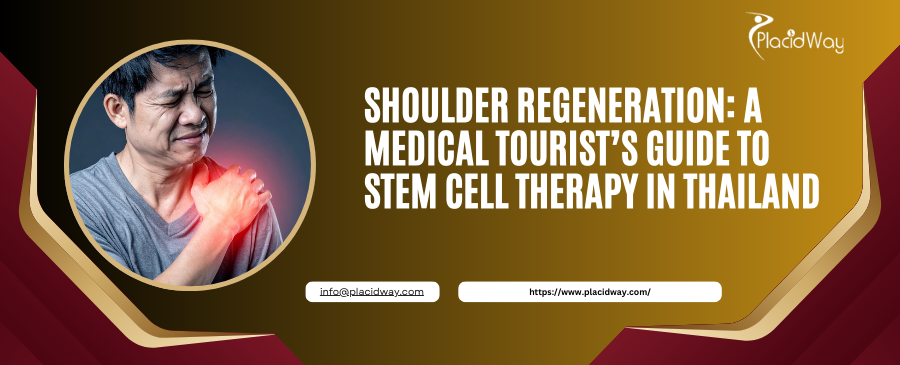
Dealing with chronic shoulder pain can severely limit your mobility and diminish your quality of life, leading many international patients to explore Stem Cell Therapy as a potential non-surgical solution. Medical tourists frequently travel to access advanced care at a fraction of domestic costs while receiving treatment from highly specialized orthopedic experts. When reviewing Stem Cell Therapy Centers in Thailand, it is critical to evaluate both their inclusive pricing packages and important government credentials such as a cell therapy license from the Ministry of Public Health to ensure maximum safety.
Quick Summary
- Estimated Cost: Typically ranges from $5,000 to $9,000 USD depending on the complexity of your shoulder condition and cell source.
- Safety Overview: Highly regulated by the Thai Ministry of Public Health requiring clinics to hold specific cell therapy licenses and safety protocols.
- Ideal Candidate: Patients suffering from partial rotator cuff tears, tendinopathy, or early to moderate shoulder osteoarthritis.
- Recovery Time: Initial rest is required for a few days followed by progressive physical therapy spanning over three to six months.
- Main Appeal: Access to advanced regenerative technology and experienced specialists combined with excellent hospitality and affordability.
- Important Caution: Avoid clinics making guaranteed success claims and always verify the exact source and processing method of the stem cells being utilized.
Understanding Stem Cell Therapy for Shoulder Injuries in Thailand
Regenerative medicine has transformed orthopedic care by offering patients alternatives to traditional joint replacement or invasive tendon surgeries. Stem cell therapy involves harvesting powerful regenerative cells from your own body or from ethically sourced donors to inject directly into the damaged shoulder tissue. Once introduced to the injured area, these cells help modulate inflammation and may stimulate the repair of cartilage, ligaments, and tendons over time.
Thailand has invested heavily in regenerative biotechnology over the past decade, establishing itself as a leading hub for medical tourists seeking joint preservation. Clinics in major cities like Bangkok and Phuket utilize state of the art processing laboratories that adhere to strict international sterilization and cell viability standards. This combination of advanced medical infrastructure and highly trained orthopedic specialists makes the destination highly attractive for chronic pain sufferers.
Patient Tip: Always ask your prospective clinic whether they use autologous cells extracted from your own body or allogeneic cells from a donor. Each method has specific clinical applications and differing cost structures.
Biological Process of Shoulder Regeneration Through Stem Cells
The core mechanism behind shoulder regeneration involves mesenchymal stem cells, which are multipotent cells capable of differentiating into various musculoskeletal tissues. When an orthopedic specialist injects these cells into your damaged rotator cuff or arthritic shoulder joint under ultrasound guidance, a complex biological healing cascade begins. The cells release specific growth factors and cytokines that signal your body to repair the micro tears and reduce chronic synovial inflammation.
Unlike steroid injections that merely mask pain temporarily, stem cell therapy aims to alter the disease progression by addressing the root cause of joint degeneration. The newly introduced cells communicate with your existing tissue cells to promote the synthesis of new collagen and cartilage matrix. This process is gradual and relies on your body’s natural metabolic pace, meaning true structural repair occurs over weeks and months rather than overnight.
| Cell Source Type | Biological Characteristics | Common Orthopedic Application |
|---|---|---|
| Adipose Derived | Harvested from body fat with a high yield of regenerative cells | Joint osteoarthritis and broad tissue inflammation |
| Bone Marrow Derived | Harvested from the pelvis and rich in potent growth factors | Bone defects and deep tendon injuries |
| Umbilical Cord Derived | Ethically donated cells that are young and highly proliferative | Severe degenerative conditions requiring high cell counts |
Primary Reasons Patients Choose Thailand for Shoulder Regeneration
Medical tourists do not travel internationally solely for cost savings. The decision to undergo regenerative therapy abroad is usually driven by a combination of healthcare access, technology, and clinical expertise. Thailand has cultivated a unique healthcare ecosystem that specifically caters to the needs of foreign orthopedic patients. Hospitals and boutique clinics operate with efficiency, meaning patients avoid the lengthy wait times commonly experienced in Western public healthcare systems.
Another major factor is the multidisciplinary approach Thai clinics take toward sports medicine and rehabilitation. Facilities often integrate the stem cell procedure with specialized physiotherapy, nutritional support, and holistic pain management in a single location. This comprehensive care model supports faster recovery and better clinical outcomes. Furthermore, the welcoming culture and excellent tourism infrastructure make the recovery period much more comfortable.
- Access to board certified orthopedic surgeons trained internationally
- Significant cost savings compared to identical procedures in North America
- Immediate treatment availability with zero waitlists
- Stringent government regulation of cell processing laboratories
- Integration of advanced physiotherapy and supportive therapies
- Opportunity to recover in a relaxing and warm environment
Patient Demographics for Regenerative Medicine in Thailand
The patient profile for regenerative shoulder therapies in Southeast Asia has evolved significantly. While early adopters of stem cell therapy were primarily professional athletes, the current demographic includes a wide range of individuals seeking to maintain active lifestyles as they age. Data indicates that international patients traveling for orthobiologics are predominantly middle aged to senior individuals suffering from degenerative joint disease or repetitive strain injuries.
Recent market analyses show that a large portion of these medical travelers originate from the United States, Australia, the United Kingdom, and the Middle East. These patients are often motivated by the high out of pocket costs for experimental therapies in their home countries. They perform extensive research and demand transparency regarding cell viability, doctor credentials, and clinic success rates before committing to travel.
Source: Asia Pacific Medical Tourism Journal Demographic Trends in Orthobiologics Report 2024
Source: Medical Tourism Association Asian Market Growth and Patient Flow Data 2024
Common Shoulder Conditions Treated with Stem Cells in Thailand
Not every shoulder issue can be resolved with regenerative medicine. The therapy is most effective for conditions involving tissue degeneration, partial tears, and chronic inflammation where the body’s natural healing response has stalled. Specialists in Thailand typically conduct thorough MRI reviews before accepting a patient to ensure the structural damage is within the treatable scope of orthobiologics.
Patients with severe bone on bone arthritis or massive full thickness rotator cuff tears that have completely retracted may not achieve satisfactory results with stem cells alone and might require surgical intervention. However, for many intermediate conditions, stem cell injections provide a powerful bridge between conservative physical therapy and invasive joint replacement.
| Shoulder Condition | Suitability for Stem Cell Therapy | Clinical Goal of Treatment |
|---|---|---|
| Mild to Moderate Osteoarthritis | Highly Suitable | Reduce inflammation and preserve existing cartilage |
| Partial Rotator Cuff Tears | Highly Suitable | Promote tendon healing and structural repair |
| Shoulder Bursitis | Suitable | Resolve chronic swelling and pain in the bursa |
| Severe Bone on Bone Arthritis | Not Recommended | Surgery is typically required for full relief |
| Complete Tendon Retraction | Not Recommended | Surgical reattachment is necessary |
Cost of Stem Cell Therapy for Shoulder Regeneration in Thailand
Understanding the financial commitment is a vital step in your medical tourism planning. In Thailand, the price for a comprehensive shoulder regeneration protocol generally falls between $5,000 and $9,000 USD. This variance depends largely on the origin of the stem cells being utilized, the specific laboratory processing required, and whether additional orthobiologics like Platelet Rich Plasma are included to enhance the cellular environment.
Many top tier clinics offer all inclusive packages that cover the initial medical consultations, advanced imaging, the cell extraction and processing, the guided injection procedure, and initial post treatment rehabilitation sessions. It is crucial to request an itemized written quote from your chosen provider so you understand exactly what is included and can budget accurately for potential hidden costs like medications or extended physical therapy.
| Treatment Element | Estimated Cost in USD |
|---|---|
| Initial Orthopedic Consultation and MRI Review | $150 to $350 |
| Autologous Stem Cell Processing and Injection | $4500 to $6500 |
| Umbilical Cord Allogeneic Cell Therapy | $6000 to $9000 |
| Supplemental Platelet Rich Plasma Therapy | $300 to $600 |
| Post Procedure Physical Therapy per session | $40 to $80 |
Comparing Shoulder Treatment Costs Between Thailand and Western Countries
When you evaluate the global landscape for regenerative medicine, the cost advantages of traveling to Southeast Asia become immediately apparent. In the United States and Canada, orthobiologic treatments are rarely covered by major health insurance plans because they are still classified as experimental by some regulatory bodies. This forces patients to pay entirely out of pocket, often facing exorbitant fees driven by high domestic clinical overhead and laboratory costs.
Thailand maintains its affordability without compromising medical quality due to lower national operational costs, a favorable currency exchange rate, and government support for the medical tourism sector. This economic structure allows Thai clinics to utilize the exact same state of the art centrifuge technology and flow cytometry equipment found in top Western hospitals but deliver the care at a significantly reduced price point to the patient.
| Destination Country | Average Procedure Cost in USD | Treatment Accessibility |
|---|---|---|
| United States | $12000 to $20000 | High cost with insurance limitations |
| United Kingdom | $10000 to $15000 | Strict regulations and high private fees |
| Australia | $9000 to $14000 | Limited local clinic availability |
| Thailand | $5000 to $9000 | Highly accessible with comprehensive packages |
Step by Step Process for the Stem Cell Procedure in Thailand
The journey to regenerate your shoulder begins well before you board a flight. Most reputable Thai clinics require a remote consultation where you submit your recent MRI scans and medical history for review. Once the orthopedic specialist determines you are a suitable candidate, a customized treatment protocol is developed and your travel dates are secured. Upon arrival in Thailand, the clinical process is highly structured to ensure safety and precision.
The physical procedure usually spans a few days depending on the cell source. If your own cells are used, a minor extraction procedure is performed to collect bone marrow or adipose tissue. The sample is then securely transported to a specialized laboratory where the regenerative cells are isolated, concentrated, and tested for viability. Finally, the cells are injected precisely into your shoulder using real time ultrasound guidance to ensure they reach the exact site of tissue damage.
- Step One: Remote clinical assessment and MRI review
- Step Two: In person physical examination and blood tests in Thailand
- Step Three: Cell extraction via mini liposuction or marrow aspiration
- Step Four: Laboratory isolation and concentration of mesenchymal stem cells
- Step Five: Image guided injection directly into the shoulder joint
- Step Six: Observation and post procedure rehabilitation planning
Expected Recovery Timeline for Shoulder Stem Cell Therapy in Thailand
Patience is essential when undergoing regenerative treatments. Unlike a cortisone shot that provides immediate artificial relief, stem cells take time to modulate the joint environment and stimulate tissue repair. Immediately following the injection in Thailand, you may experience localized soreness, swelling, and stiffness in the shoulder. This is a normal biological response indicating that the cellular healing cascade has been activated.
Your doctor will likely advise you to wear a sling for a few days to protect the joint and prevent unwanted stress on the newly injected cells. Over the following weeks, you will gradually introduce specific range of motion exercises. Most patients report a noticeable reduction in their baseline chronic pain around the four to six week mark, with structural improvements continuing to develop for up to six months post treatment.
| Timeframe | Biological Process | Patient Sensation | Activity Level | Action Required |
|---|---|---|---|---|
| Days 1 to 3 | Acute inflammatory response activated | Soreness and mild swelling | Strict rest | Use sling and avoid anti inflammatory drugs |
| Weeks 1 to 4 | Cellular signaling and initial tissue repair | Gradual reduction in baseline pain | Light daily activities | Begin gentle passive range of motion therapy |
| Months 1 to 3 | Collagen synthesis and tissue strengthening | Noticeable improvement in mobility | Moderate use | Progressive active physical therapy |
| Months 3 to 6 | Maturation of regenerated tissue matrix | Significant pain relief and stability | Return to normal life | Continue maintenance exercises and strength training |
How to Choose a Safe Stem Cell Clinic in Thailand
Selecting the right medical facility is the most critical decision you will make in your healthcare journey. The regenerative medicine landscape in Thailand is diverse, ranging from large internationally accredited mega hospitals to specialized boutique orthobiologic clinics. You must verify that the facility operates legally and adheres to the strict guidelines set forth by the Thai government regarding cellular therapy and processing.
Look for clinics that are fully transparent about their laboratory affiliations. The facility processing the stem cells should ideally hold Good Manufacturing Practice certification. Furthermore, the clinic itself should be licensed by the Thai Ministry of Public Health. Be wary of aggressive marketing tactics; credible medical institutions will never guarantee a one hundred percent success rate and will always discuss the potential risks alongside the benefits.
Provider Vetting Checklist: Ensure the clinic has a valid Ministry of Public Health license, uses a Good Manufacturing Practice certified lab, provides transparent written cost estimates, and has an onsite orthopedic specialist performing the injections.
Verifying Credentials for Stem Cell Specialists in Thailand
The skill of the doctor performing the extraction and injection is just as important as the quality of the stem cells. You want to ensure that your treatment is administered by a board certified orthopedic surgeon or a sports medicine specialist, not a general practitioner. The precision of the injection dictates whether the cells reach the exact location of your tendon tear or cartilage defect, making extensive experience with ultrasound guided injections mandatory.
You can verify a doctor’s credentials by checking their registration with the Thai Medical Council. Many top specialists in Thailand have completed international fellowships in the United States, Europe, or Australia, bringing global best practices back to their local clinics. Do not hesitate to ask the clinic for the doctor’s curriculum vitae and inquire about their specific case volume for shoulder orthobiologics.
Takeaway: A highly qualified doctor will always insist on reviewing your imaging prior to accepting you as a patient. If a doctor agrees to treat you without seeing an MRI or understanding your medical history, you should immediately seek a second opinion.
Potential Risks and Safety Protocols in Thailand
While stem cell therapy is generally considered safe and minimally invasive, no medical procedure is entirely devoid of risk. When autologous cells are used, the risk of an allergic reaction or tissue rejection is virtually eliminated because the material comes from your own body. However, any injection into a joint carries a slight risk of infection, bleeding, or temporary nerve irritation at the needle site.
Reputable Thai clinics mitigate these risks by adhering to stringent sterile protocols during both the cell extraction and the final injection. The laboratories processing the cells work in highly controlled clean rooms to prevent any contamination. It is crucial that you follow all post procedure care instructions precisely, especially avoiding bodies of water like swimming pools or the ocean during your initial days of recovery to prevent joint infections.
Warning: You must inform your doctor of all medications you are currently taking. Nonsteroidal anti inflammatory drugs and certain blood thinners can severely inhibit stem cell function and must typically be stopped weeks before your procedure.
Evaluating Your Eligibility for Stem Cell Therapy in Thailand
Determining your physical suitability is a collaborative process between you and your orthopedic specialist. The ideal candidate is someone in generally good health who has a confirmed diagnosis of a partial tendon tear, mild to moderate arthritis, or chronic tendinopathy that has not responded to traditional physical therapy. Age alone is not a strict disqualifier, though the regenerative potency of your own cells naturally decreases as you get older.
Patients with active systemic infections, certain autoimmune diseases, or a recent history of cancer are generally not suitable candidates for this treatment. Additionally, if your shoulder joint has suffered severe morphological changes where the cartilage is entirely worn away, stem cells will not be able to reconstruct the joint from scratch. Honest patient selection is the hallmark of a trustworthy medical provider.
Patients with partial rotator cuff tears, mild osteoarthritis, healthy immune systems, and realistic expectations regarding the gradual healing timeline.
Patients with completely retracted tendon tears, severe bone on bone arthritis, active infections, or those unwilling to commit to post treatment physical therapy.
Combining Physical Therapy with Shoulder Regeneration in Thailand
Stem cell therapy is not a standalone magic cure; it is a biological catalyst that requires a supportive physical environment to succeed. Without proper biomechanical rehabilitation, the newly regenerated tissue may heal improperly or become stiff. Physical therapy helps align the new collagen fibers correctly, restoring full strength and flexibility to the shoulder capsule.
Many international patients choose to stay in Thailand for an extended period precisely to take advantage of the highly affordable and personalized physiotherapy available at their clinic. Working with a therapist who understands orthobiologics ensures that your joint is protected during the fragile early stages of cellular repair and properly challenged as the tissue matures.
Patient Tip: Secure a written rehabilitation protocol from your Thai orthopedic doctor before you fly home. This document will guide your local physical therapist in safely progressing your shoulder exercises over the next six months.
Planning Your Medical Journey to Thailand
Organizing a cross border medical trip requires careful logistical planning to ensure a stress free experience. First, verify your visa requirements. Many nationalities receive a visa on arrival, but medical visas are available if you plan an extended stay for extensive rehabilitation. You should book accommodations that offer easy access to your chosen clinic in Bangkok, Chiang Mai, or Phuket to minimize travel stress immediately after your injections.
Factor in adequate recovery time before flying. Although the procedure is minimally invasive, the changes in cabin pressure and the physical strain of navigating airports can aggravate a freshly injected joint. Most specialists recommend waiting at least three to five days after the procedure before embarking on a long haul international flight, allowing the initial inflammatory response to subside.
| Planning Phase | Required Action Items |
|---|---|
| One Month Prior | Submit MRI for review, finalize clinic choice, and book medical appointments |
| Two Weeks Prior | Stop taking specific anti inflammatory medications as directed by your doctor |
| Arrival in Thailand | Attend in person consultation, undergo blood tests, and settle into accommodation |
| Post Procedure | Rest locally for 3 to 5 days, attend follow up check, and begin light therapy |
Frequently Asked Questions About Stem Cell Therapy in Thailand
How long does shoulder stem cell therapy take in Thailand?
The procedure itself usually takes a few hours, but you should plan to stay in Thailand for at least seven to ten days for initial consultations, the extraction process, the injection, and follow up appointments.
Are stem cell treatments in Thailand safe for older adults?
Yes, many older adults safely undergo stem cell therapy. However, because autologous stem cell potency declines with age, the doctor may recommend using ethically sourced allogeneic cells or adding platelet rich plasma to boost the healing response.
Will I need surgery if the stem cell therapy fails?
If your body does not respond adequately to the regenerative treatment and your chronic pain persists, traditional surgical interventions like joint replacement or arthroscopic repair remain viable options.
What type of stem cells are used for shoulder regeneration?
Doctors primarily utilize mesenchymal stem cells harvested either from your own adipose tissue and bone marrow, or from carefully screened donor umbilical cord tissue, depending on your clinical needs.
How soon can I fly home after the procedure?
Medical specialists typically advise patients to wait three to five days after the joint injection before undertaking long international flights to ensure the initial acute inflammation has settled.
Is stem cell therapy painful?
The extraction and injection processes involve some discomfort, but clinics utilize local anesthesia and sometimes mild sedation to ensure you remain as comfortable as possible throughout the procedure.
How do I verify a Thai doctor’s credentials?
You can verify a physician’s qualifications by checking their active registration with the Thai Medical Council and reviewing their specific fellowship training and board certifications in orthopedic surgery or sports medicine.
Does insurance cover stem cell therapy abroad?
Most traditional health insurance policies do not cover international regenerative medicine treatments, meaning patients should be prepared to pay for the entire procedure out of pocket.
Can stem cells heal a completely torn rotator cuff?
No, stem cells cannot reconnect a completely severed and retracted tendon. They are clinically indicated for partial tears, tendinopathy, and joint inflammation.
When will I notice improvement in my shoulder?
Patients usually notice a reduction in baseline pain between four to six weeks, with continuous structural and functional improvements developing over three to six months.
PlacidWay can help you compare highly rated providers, understand treatment costs, ask the right medical questions, review your treatment options, and request detailed information from top clinics.
Related Stem Cell Therapy Resources
Disclaimer: This information is for educational purposes only and does not replace professional medical advice. Always consult a qualified healthcare provider before making medical decisions.
References
- Clinical Outcomes of Stem Cell Therapy for Shoulder Pathologies – National Institutes of Health
- Guidelines for Cellular Therapy Patient Safety – International Society for Cell & Gene Therapy
- Stem Cells: What They Are and What They Do – Mayo Clinic
- Medical Licensing and Verification – Thai Medical Council
- Healthcare Quality and Patient Safety in Thailand – Medical Tourism Association
- Mesenchymal Stem Cells for Rotator Cuff Repair – PubMed