Can Shoulder Pain Stem Cell Japan Help Fix My Shoulder Issue?

Can Shoulder Pain Stem Cell Japan Help Fix My Shoulder Issue?

Patient receiving stem cell therapy for shoulder pain in Japan

Yes, shoulder pain stem cell Japan therapies are highly effective for repairing rotator cuff tears and osteoarthritis. Japan offers a unique, government-regulated “cultured cell” protocol that delivers superior potency compared to many other countries, with success rates of 70-85% for reduced pain and improved range of motion.

Shoulder pain can be profoundly debilitating, impacting daily activities from simple movements to finding comfortable sleeping positions. For many, traditional treatments often lead directly to surgery, which carries risks and extensive recovery periods without guaranteed full recovery.

If you are exploring advanced options to heal your shoulder without invasive procedures, Japan has emerged as a global leader in regenerative medicine. Its innovative approach, backed by stringent government regulations, makes it a top destination for those seeking effective solutions.

This guide will delve into how shoulder pain stem cell Japan therapy utilizes high-tech, cultured stem cells to address conditions like rotator cuff tears and osteoarthritis. We will cover the specific processes, costs, and expected outcomes, providing comprehensive insights for international patients.

Please note that PlacidWay is a medical tourism facilitator, connecting patients with accredited clinics worldwide; we are not a medical provider or healthcare facility.

What Key Benefits Does Stem Cell Therapy for Shoulders Offer?

  • Tissue Regeneration: Stem cells actively promote the growth of new tendon fibers and cartilage, offering a biological repair mechanism for damaged tissues.
  • Enhanced Potency: Japanese clinics can culture patient cells to doses exceeding 100 million, delivering a significantly stronger regenerative signal compared to countries with stricter regulations.
  • Non-Surgical Approach: This therapy often eliminates the need for invasive surgery, reducing recovery times and avoiding surgical risks associated with conditions like rotator cuff tears.
  • Minimized Downtime: Patients typically require only 1-2 days of initial rest, allowing for a faster return to daily activities and a more manageable rehabilitation period.
  • Government Regulation: Japan’s Act on the Safety of Regenerative Medicine (ASRM) ensures therapies are legal, safe, and subject to strict reporting, providing peace of mind for patients.

Understanding Shoulder Stem Cell Therapy in Japan

Shoulder stem cell therapy involves injecting a patient’s own adipose-derived stem cells (ADSCs) into damaged shoulder tissues to promote healing and regeneration. These cells have the unique ability to differentiate into various cell types, repairing cartilage, tendons, and other structures affected by injury or degenerative conditions.

In Japan, the process typically begins with a mini-liposuction to harvest a small fat sample from the patient’s abdomen. This fat is rich in mesenchymal stem cells, which are then processed and expanded in a specialized laboratory over 3-4 weeks.

This “culturing” process significantly increases the number of active stem cells to therapeutic doses, often reaching 100 to 200 million cells. Once expanded, these high-potency cells are meticulously injected into the affected area of the shoulder, guided by ultrasound for precise placement, stimulating the body’s natural healing cascade.

Evidence and Important Considerations for Stem Cell Therapy

Evidence & Outcomes: Clinical data from leading Japanese regenerative centers indicate success rates of 70-85% for patients experiencing reduced pain and improved range of motion. This is particularly noted in cases of rotator cuff tears and osteoarthritis, where stem cells can help regenerate tendon tissue and reduce inflammation.

Risks & Contraindications: Side effects are generally minimal, limited to minor swelling or soreness at the injection or harvest site for a few days. Because autologous cells are used, the risk of rejection or allergic reaction is virtually zero. Seek immediate medical attention if you experience severe pain, fever, or signs of infection post-procedure, though these are extremely rare. Individual results can vary significantly, and this article is for informational purposes only; always consult a qualified physician for personalized medical advice.

Did You Know?

Did you know that Japan is home to some of the world’s most advanced medical facilities, where patients often save significant amounts on stem cell therapy while receiving care that meets or exceeds international hospital standards? The country’s strict ASRM law ensures unparalleled safety and efficacy in regenerative treatments.

Comparing Shoulder Pain Stem Cell Treatment Costs

While Japan may not be the cheapest global option, it offers exceptional value for its advanced “cultured cell” technology. The cost typically covers cell harvesting, weeks of lab cultivation, rigorous safety testing, and the final injection.

The sophisticated biological manufacturing process distinguishes Japan from many other countries where cell culturing for orthopedic use is restricted, impacting cell potency and overall treatment efficacy.

Global Stem Cell Therapy Cost Overview

Value Comparison

Country Estimated Cost (USD) Key Advantage
Japan $6,500 – $12,000 High-dose cultured cells (100M+).
USA $8,000 – $20,000 Convenient, but lower cell counts.
Mexico $3,500 – $8,000 Affordable, uses donor cells.
Panama $15,000 – $25,000 Established luxury clinics.
Turkey $3,000 – $7,000 Budget-friendly medical tourism.

Essential Facts & Pro-Tips

1
Fast Fact: Japan’s ASRM law mandates strict safety and reporting standards, with all clinics requiring Ministry of Health approval, ensuring regulated and high-quality care.
2
Travel Tip: Many patients leverage the two-visit protocol to combine treatment with tourism, enjoying Japan’s culture between the fat harvesting and injection appointments without physical restrictions.
3
Recovery Tip: A guided rehabilitation program is crucial post-injection to ensure new tissue fibers align correctly, restoring optimal shoulder strength and flexibility over 4-6 weeks.

Your Stem Cell Treatment Journey in Japan

The standard Japanese protocol for shoulder stem cell therapy is designed for both clinical effectiveness and patient convenience. It typically requires two visits spaced 3-4 weeks apart, allowing for optimal cell culturing.

This structured approach ensures the highest potency of cells for injection while accommodating international travel plans, minimizing disruption to your life while maximizing regenerative potential.
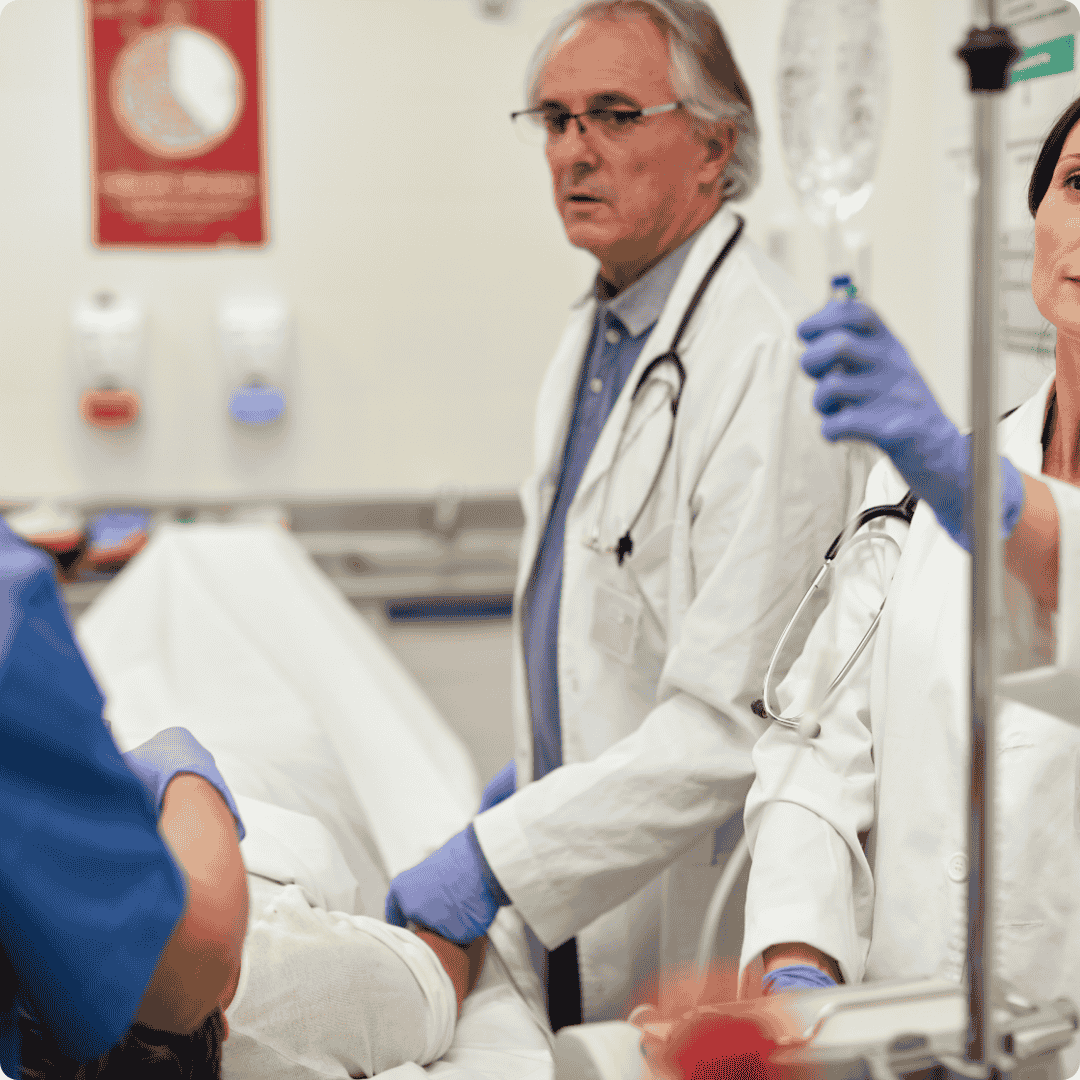

Visit 1: Initial Consultation & Harvest
Detailed Review and Cell Collection
During your first visit, a comprehensive consultation includes a review of your MRI or X-ray images. A small fat sample is harvested via mini-liposuction under local anesthesia, a procedure typically lasting about an hour.
Lab Period: Cell Cultivation
Expansion and Preparation of Cells
Over the next 3-4 weeks, your harvested stem cells are meticulously cultured and expanded in a high-tech, sterile laboratory. This process exponentially increases the cell count to a therapeutic dose, frozen and prepared for your return.
Visit 2: Injection & Post-Procedure Care
Targeted Injection and Recovery Guidelines
You return for the injection of the expanded cells into your shoulder, guided by ultrasound for precision. This takes approximately 30 minutes. You will receive a personalized rehabilitation protocol to follow with your local physical therapist.

Frequently Asked Questions

1. Can stem cells repair a torn rotator cuff?+

Yes, stem cells can regenerate tendon tissue and heal partial rotator cuff tears. This often eliminates the need for surgical reattachment, offering a less invasive path to recovery. Stem cell therapy helps by signaling the body to grow new tendon fibers and blood vessels, effectively bridging the gap in the damaged tissue.

2. Why is Japan considered a leader in this field?+

Japan leads due to its Act on the Safety of Regenerative Medicine (ASRM) law, which allows clinics to culture (expand) patient cells to therapeutic doses of 100 million or more. This culturing process ensures maximum potency, which is crucial for effective tissue regeneration, especially in difficult-to-heal areas like shoulder cartilage and tendons.

3. How much does shoulder stem cell therapy cost in Japan?+

Treatments using high-dose cultured cells in Japan typically range from $6,500 to $12,000 USD. This pricing reflects a premium service that includes sophisticated biological manufacturing, cell harvesting, weeks of lab cultivation, and thorough safety testing. It offers excellent value considering the advanced technology and regulatory oversight.

4. What is the success rate for shoulder treatments?+

Japanese clinics report success rates of 70-85% for reduced pain and improved range of motion in rotator cuff and arthritis patients. Success is generally defined as a significant reduction in pain (50% or more) and the ability to return to daily activities without restriction. These outcomes enable athletes to return to sport and older adults to regain functional independence.

5. Is stem cell therapy legal in Japan?+

Yes, stem cell therapy is fully legal in Japan under the Act on the Safety of Regenerative Medicine (ASRM). This comprehensive legal framework enforces strict safety and reporting standards, requiring every clinic to submit detailed treatment plans to the Ministry of Health, Labour and Welfare (MHLW) for approval and regular inspections.

6. What types of stem cells are used?+

The standard in Japan is Autologous Adipose-Derived Stem Cells (ADSCs), which are harvested from your own fat tissue. These cells are then expanded in a lab, ensuring 100% safety and compatibility. This approach eliminates the risk of rejection or allergic reactions because the cells are derived from your own body.

7. How long is the recovery time?+

Recovery is generally fast. Patients typically need only 1-2 days of rest immediately after the injection. A gradual return to full activity is usually recommended over 4-6 weeks, allowing the newly stimulated tissue to strengthen. Avoid heavy lifting or overhead sports during the initial month to optimize healing.

8. Does the treatment require multiple visits?+

Yes, the standard Japanese protocol requires two separate visits, spaced 3-4 weeks apart. The first visit is for the initial consultation and cell harvesting (mini-liposuction). The second visit, after the cells have been cultured and expanded in the lab, is for the high-potency stem cell injection into the shoulder.

Ready to Take the Next Step Towards Recovery?

Choosing the right destination for your medical care is significant. By opting for treatment abroad, you are not just saving on costs—you are gaining access to specialized clinicians and world-class care.

Get Your Free Quote Now

Related Resources

Medical Disclaimer: This article is intended solely for informational and educational purposes. It should not be considered as medical advice, diagnosis, or a recommendation for treatment. PlacidWay is a medical tourism facilitator, connecting patients with healthcare providers, and does not provide medical services itself. All individuals should consult with a qualified and licensed physician or healthcare professional to discuss their specific medical conditions and treatment options. Medical outcomes are highly individualized and cannot be guaranteed. Results may vary depending on personal health factors and the nature of the condition being treated. If you experience severe or worsening symptoms, please seek immediate professional medical care.

Picture of About Author: Hina Munawar

About Author: Hina Munawar

As the Editor of Global Stem Cell Therapy, I provide trusted, research-based information on stem cell treatments worldwide. With over a decade of experience in medical tourism, I guide patients toward safe, effective, and affordable therapies.

Related Articles

Explore if stem cell treatment in Mexico works for insomnia, offering safe, effective, and affordable options. Discover benefits, costs, and procedure details for chronic sleep issues.
Explore how stem cell therapy in Colombia offers hope for diabetes patients, potentially reducing insulin dependency and improving health. Learn about costs, safety, and effectiveness.
Non-surgical stem cell therapy for rotator cuff tears in the Dominican Republic reduces pain, regenerates tissue, and restores mobility. Learn about its effectiveness and cost.
GSC Logo X
send