Can Ovarian Rejuvenation Stem Cell Therapy in India Offer New Hope?

Ovarian Rejuvenation Stem Cell Therapy in India Offering New Hope to Patients from the United States

Ovarian Rejuvenation Stem Cell Therapy in India Offering New Hope to Patients from the United States

For US women battling Premature Ovarian Insufficiency (POI), early menopause, or diminished ovarian reserve, India offers advanced ovarian rejuvenation therapies. These include Platelet-Rich Plasma (PRP) and Mesenchymal Stem Cell (MSC) transfers, which are often unavailable or prohibitively expensive in the West. High-end stem cell packages in India average $3,500 – $10,500 USD, presenting a significant cost advantage.

For many women in the United States confronting the challenges of Premature Ovarian Insufficiency (POI), early menopause, or significantly diminished ovarian reserve, the traditional medical pathways often lead to a difficult conversation about donor eggs. This can be a heartbreaking moment for those hoping to conceive naturally. However, the rapidly advancing field of regenerative medicine is now illuminating new possibilities.

India has rapidly positioned itself as a prominent global destination for advanced fertility treatments. Specifically, it has become a hub for Ovarian Rejuvenation Stem Cell Therapy in India Offering New Hope to Patients from the United States. Specialized fertility centers across major Indian cities like Mumbai, New Delhi, and Bangalore are at the forefront of this research. They offer innovative protocols that often remain inaccessible or carry prohibitive costs in Western nations.

This comprehensive guide provides US patients with crucial information. It clarifies the distinctions between Platelet-Rich Plasma (PRP) and Mesenchymal Stem Cell (MSC) transfers. It also outlines the regulatory environment, travel requirements, and realistic expectations for these investigational therapies. The goal is to empower patients with knowledge as they explore new avenues for restoring fertility and achieving their dreams of motherhood.

What Key Benefits Does Fertility Tourism in India Offer?

  • Two Distinct Paths: Indian clinics offer both PRP, a simpler growth-factor-based method, and Stem Cell/BMAC, a more complex cell-based approach. Understanding this distinction is vital for choosing the right treatment.
  • Significant Cost Efficiency: High-end stem cell packages in India typically range from $3,500 to $10,500 USD. This represents a substantial saving compared to the $20,000+ experimental treatments often found in the US or Europe.
  • Access to Investigational Therapies: India’s regulatory environment, guided by the ICMR, allows for advanced stem cell protocols under monitored clinical research. This provides US patients access to therapies years ahead of potential FDA approval.
  • Comprehensive Treatment Packages: Many leading Indian centers offer bundled solutions. These often combine the rejuvenation procedure with IVF cycles, egg retrieval, and cryopreservation, simplifying the process for international patients.
  • Streamlined Medical Visa Process: India has a dedicated e-Medical Visa process for international patients. Clinics provide necessary invitation letters, making travel for treatment more accessible for US citizens, typically within 72 hours.

How Does Ovarian Rejuvenation Work: PRP vs. Stem Cell Therapy?

Ovarian rejuvenation therapies aim to stimulate dormant follicles or promote the generation of new ovarian tissue. They utilize the body’s own regenerative capabilities. This investigational field offers hope for women with diminished ovarian reserve or premature ovarian insufficiency by attempting to restore ovarian function. These treatments are not yet standard globally.

The two primary approaches, PRP and Stem Cell Therapy, differ significantly in their mechanism and complexity. Ovarian PRP (Platelet-Rich Plasma) involves drawing the patient’s blood. This blood is then spun to concentrate platelets, which are rich in growth factors. This “liquid gold” is then injected into the ovaries via transvaginal ultrasound, similar to an egg retrieval procedure. The goal of PRP is to enhance blood flow, reduce inflammation, and potentially activate quiescent follicles within the ovary through these released growth factors.

In contrast, Stem Cell Therapy (often known as ASCOT or BMAC) is a more intricate surgical intervention. This process begins with harvesting bone marrow, typically from the hip, or fat tissue. In a specialized laboratory, Mesenchymal Stem Cells (MSCs) are isolated from this harvested sample. These potent cells are then carefully injected into the ovarian artery or directly into the ovarian cortex. MSCs hold the unique potential to differentiate into various cell types or to signal the ovarian environment to regenerate tissue. This offers a more profound “reset” capability for the ovaries compared to the growth-factor-mediated effects of PRP alone, making it a more advanced therapeutic option.

Understanding the Efficacy and Potential Risks of Ovarian Rejuvenation

Evidence & Outcomes: Clinical data from specialized centers in India indicates promising, albeit variable, outcomes. Success is generally assessed by improvements in hormonal profiles, such as increased AMH levels, decreased FSH, or the spontaneous return of menstrual cycles. Studies suggest a 30-40% improvement in hormonal markers for women with Premature Ovarian Insufficiency (POI) following these treatments. While investigational, pregnancy rates in experimental cohorts have been reported to range from 15-25%. These figures reflect attempts to restore ovarian function rather than guaranteed fertility, and individual results can differ widely based on patient-specific factors, including age and baseline ovarian health. This aligns with the “Expert Insight” from the data, noting India’s role in advancing these protocols under monitored research.

Risks & Contraindications: It is crucial to approach ovarian rejuvenation with informed consent, recognizing its investigational status globally. In India, the Indian Council of Medical Research (ICMR) explicitly classifies stem cell use for infertility as ‘investigational.’ Reputable clinics adhere to strict ethical guidelines, requiring patients to sign consent forms that acknowledge the experimental nature of the treatment. Any claims of “100% success” or “guaranteed pregnancy” are significant red flags. Potential risks are generally associated with any invasive procedure involving anesthesia and tissue harvesting, such as infection or bleeding. Furthermore, some doctors advise against the procedure if ovaries are completely atrophied (menopause > 5 years) due to very low success rates. Similarly, for women over 45, the likelihood of retrieving viable eggs post-treatment remains low, despite possible hormonal improvements. Patients should always consult with a qualified reproductive endocrinologist to discuss their specific case, understand all potential benefits, risks, and contraindications, and set realistic expectations for outcomes.

Did You Know?

Did you know that India requires all international patients seeking medical/surgical treatment to enter on a Medical Visa (e-Medical Visa)? You cannot legally undergo surgery on a Tourist Visa, but the process is streamlined for US citizens, typically approved within 72 hours, with clinics providing the necessary invitation letter.

How Much Does Ovarian Rejuvenation Cost? India vs. Global Averages

The cost of ovarian rejuvenation therapies varies significantly globally, primarily driven by the complexity of laboratory procedures. Simple PRP treatments are less expensive due to minimal lab work. However, advanced stem cell therapies, especially those involving “culture-expanded” cells grown in a lab over weeks to increase cell numbers, incur much higher costs. India offers a compelling financial advantage, with prices often representing a fraction of what comparable experimental treatments would cost in Western countries. This makes it an attractive option for US patients seeking advanced regenerative fertility solutions.

Cost Breakdown

Major Savings

Country Estimated Cost Average Savings
India (BMAC) $4,750 USD Starting Point Best Value
United States $15,000+ USD ~68% Savings
United Kingdom $15,000+ USD ~68% Savings
Canada / Australia $15,000+ USD ~68% Savings

Essential Facts & Pro-Tips

1
Fast Fact: The Indian Council of Medical Research (ICMR) classifies stem cell therapy for infertility as “investigational.” Reputable clinics will operate under strict ethical guidelines, requiring informed consent forms.
2
Travel Tip: For US citizens, obtaining an e-Medical Visa is mandatory for medical procedures in India. Your chosen Indian hospital (e.g., Nova, Apollo, Max) will provide a “Letter of Invitation” required for the online application.
3
Recovery Tip: For PRP, you can typically fly home the next day. After bone marrow stem cell therapy, doctors generally advise waiting 48-72 hours to monitor the hip harvest site and prevent complications before travel.

What to Expect During Your Ovarian Rejuvenation Treatment Journey in India

Navigating medical treatment abroad can seem daunting, but Indian fertility centers are well-equipped to guide international patients through each step. From initial remote consultations to post-procedure monitoring, the process is designed for clarity and patient support. Efficiency is a hallmark of the medical experience in this destination. The process minimizes downtime while ensuring every safety protocol is strictly followed.

Phase 1: Remote Preparation
Initial Consultation and Lab Work
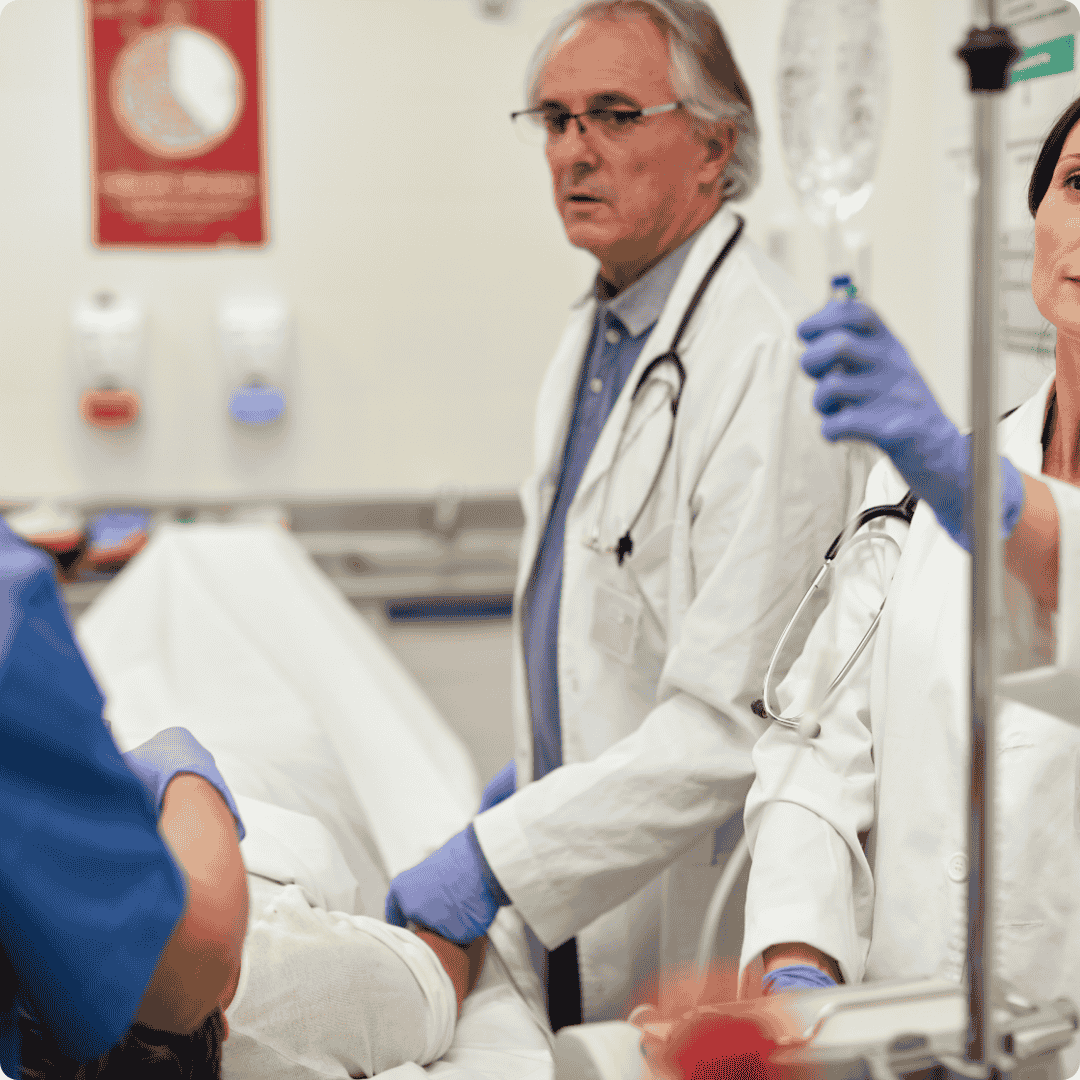
Before traveling, you will submit recent hormonal panels (AMH, FSH, LH, Estradiol) to the clinic. A video consultation with a Reproductive Endocrinologist will then determine your candidacy. Note that if your ovaries are significantly atrophied or if you are more than 5 years post-menopause, some doctors may advise against the procedure due to potentially low success rates.
Phase 2: Arrival & Procedure (Day 2-3)
On-site Evaluation and Treatment
Upon arrival, typically in Mumbai (BOM) or Delhi (DEL), major fertility chains assist with airport transfers. You’ll have a physical exam and baseline ultrasound at the clinic. PRP is a quick 20-minute outpatient procedure under sedation. For stem cells, it’s a two-step process: bone marrow aspiration from the hip, followed by cell processing and ovarian injection, potentially requiring an overnight stay for observation.
Phase 3: Monitoring & Departure
Post-Treatment Care and Travel Home
Some patients opt for a 2-week stay to undergo an immediate IVF stimulation cycle, aiming to capture eggs recruited by the therapy. Others return home and coordinate monitoring with their local US fertility doctor, only returning to India if egg retrieval becomes necessary.

Frequently Asked Questions

1. Is ovarian rejuvenation treatment safe in India?+

While widely available, it is crucial to understand that stem cell therapy for ovarian rejuvenation is not yet a standard, globally approved medical treatment. In India, the Indian Council of Medical Research (ICMR) classifies its use for infertility as “investigational.” Reputable clinics operate under strict ethical guidelines, ensuring patients sign informed consent forms that acknowledge the experimental nature of the treatment. Always choose facilities registered with the National Apex Committee for Stem Cell Research and Therapy (NAC-SCRT) and be wary of any clinic making “100% success” claims.

2. Why is the cost difference so high between PRP and Stem Cells?+

The significant cost difference stems from the complexity of the procedures. Platelet-Rich Plasma (PRP) is relatively simple; it involves drawing blood, spinning it to concentrate platelets, and then injecting the enriched plasma. This process requires no expensive culture media or sterile cell-processing laboratories. Stem cell therapy, conversely, is a more involved surgical procedure. It necessitates harvesting bone marrow or fat tissue, followed by complex laboratory processing to isolate specific Mesenchymal Stem Cells (MSCs). This often requires specialized equipment and higher-level surgical expertise for both harvest and injection, which justifies the increased price tag.

3. Will I get my period back after ovarian rejuvenation?+

Many women with premature menopause who undergo ovarian rejuvenation therapy report a temporary return of menstrual cycles. This often occurs within 3 to 12 months following the treatment. This window of renewed ovarian activity is a crucial period. Doctors will often strategically attempt egg retrieval for IVF during this time to maximize the chances of success. It’s important to understand that while hormonal improvements are common, the duration and regularity of resumed menstruation can vary significantly among individuals.

4. Is it safe to travel to India alone for this procedure?+

Major Indian cities like Mumbai, New Delhi, and Bangalore are generally considered safe for medical tourists. Many specialized fertility centers and medical tourism facilitators provide comprehensive “concierge” services. These often include airport pickup, arranged hotel shuttles, and local support. While traveling alone is feasible and common, having a companion is highly recommended. A travel partner can offer invaluable emotional support and practical assistance, particularly in the immediate period following the procedure, especially if you have undergone sedation.

5. Can retrieved eggs be used for future pregnancy?+

Yes, absolutely. If the ovarian rejuvenation treatment is successful in recruiting follicles and viable eggs are retrieved, they can be fertilized in vitro. The resulting embryos can then be cryopreserved (frozen) for future use. This allows you to undergo an Embryo Transfer (FET) at a later date, either at the same clinic in India or by shipping the embryos to a fertility clinic in the US. However, it’s important to note that the process of shipping embryos internationally is typically costly and involves complex logistics and regulatory hurdles.

6. Does health insurance cover ovarian rejuvenation in India?+

Unfortunately, no. US health insurance policies generally do not cover medical treatments performed in India. Furthermore, they typically do not cover experimental or investigational fertility procedures, regardless of location. This means that ovarian rejuvenation therapy, whether PRP or stem cell-based, is almost always a 100% out-of-pocket expense for international patients. It is crucial to factor this into your financial planning and confirm all costs directly with your chosen clinic before committing to travel.

7. How soon can I fly home after the treatment?+

The recommended recovery time before flying home depends on the type of procedure performed. For Ovarian PRP, which is a less invasive outpatient procedure under sedation, most patients can safely fly the very next day. However, for bone marrow stem cell therapy, which involves a hip bone aspiration, doctors typically recommend a waiting period of 48-72 hours. This allows for proper healing of the harvest site and ensures there are no immediate post-operative complications before undertaking long-haul travel.

8. Can older women (45+) benefit from this therapy?+

While ovarian rejuvenation aims to reactivate dormant follicles, its success rates decline significantly with increasing age. The most ideal candidates for this therapy are generally women under 40 who are experiencing Premature Ovarian Insufficiency (POI) or early menopause. For women over 45, the likelihood of retrieving viable eggs for pregnancy, even with hormonal improvements, remains considerably low. Although some older patients might experience temporary hormonal benefits, it is crucial to maintain realistic expectations regarding actual fertility restoration.

Ready to Take the Next Step Towards Recovery?

Choosing the right destination for your medical care is significant. By opting for treatment abroad, you are not just saving on costs—you are gaining access to specialized clinicians and world-class care.

Get Your Free Quote Now

Related Resources

Medical Disclaimer: This article is for informational and educational purposes only and does not constitute medical advice, diagnosis, or treatment recommendations. The information provided is thoroughly researched but should not replace a consultation with a qualified healthcare professional. No guaranteed outcomes are promised. Always seek the advice of your physician or other qualified health provider with any questions you may have regarding a medical condition.

Picture of About Author: Hina Munawar

About Author: Hina Munawar

As the Editor of Global Stem Cell Therapy, I provide trusted, research-based information on stem cell treatments worldwide. With over a decade of experience in medical tourism, I guide patients toward safe, effective, and affordable therapies.

Related Articles

Discover leading global autism treatment centers offering advanced stem cell therapy. Learn about experimental treatments, costs, safety, and how to choose a reputable clinic.
Comprehensive guide for US patients considering knee stem cell therapy in Germany. Explore advanced treatments, strict safety, transparent costs ($4k-$16k), and travel logistics for natural healing.
Explore Bogota, Colombia, as the 2026 hub for integrative stem cell therapy for type 2 diabetes. Discover advanced treatments, significant cost savings, and holistic patient care with PlacidWay.
GSC Logo X
send