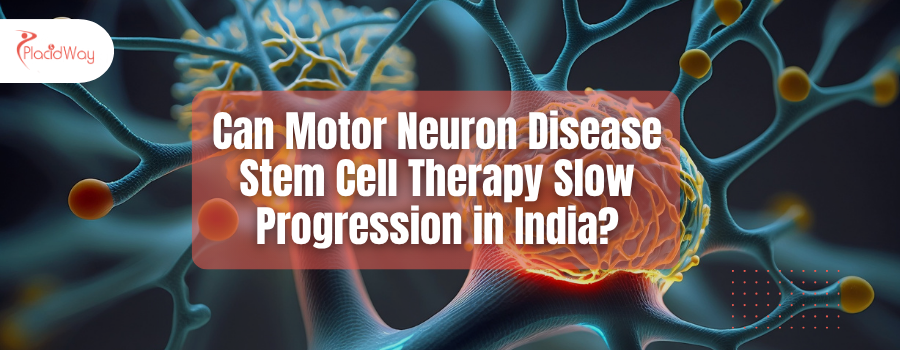
Yes, Motor Neuron Disease Stem Cell Therapy in India can help slow progression by protecting neurons, reducing inflammation, and promoting tissue repair. This advanced regenerative treatment aims to modify the disease trajectory and improve patient quality of life. Treatment costs in India range from an affordable $6,000 to $12,000, presenting a significant economic advantage compared to Western healthcare systems.
For individuals navigating the complexities of Motor Neuron Disease (MND), also known as Amyotrophic Lateral Sclerosis (ALS), the search for effective treatments is constant. India has emerged as a prominent destination for advanced medical interventions, including pioneering stem cell therapies.
Many patients globally are exploring how these treatments can impact their condition and potentially slow its relentless progression. This guide delves into the mechanisms, benefits, costs, and practical aspects of pursuing this specialized care.
It explores why India is gaining recognition for its advanced protocols and patient-centric approach. As a medical tourism facilitator, PlacidWay connects patients with globally recognized, accredited medical centers that offer such innovative treatments. Please note that PlacidWay is a medical tourism facilitator, not a healthcare provider, and does not offer medical advice. Our goal is to empower you with comprehensive information and trusted connections.
Understanding whether Motor Neuron Disease Stem Cell Therapy in India can offer a path to slow progression involves looking at scientific principles and patient outcomes.
What Key Benefits Does MND Regenerative Care Offer in India?
- Therapeutic Goal: Focuses on disease modification, reducing neuroinflammation, and enhancing cellular survival in MND patients.
- Cost Efficiency: Average treatment prices offer a significant economic advantage compared to North American or European healthcare systems.
- Advanced Protocols: Utilizes minimally invasive intrathecal injections to bypass the blood-brain barrier effectively for targeted delivery.
- Quality Standards: High-end medical facilities strictly comply with international laboratory and cleanroom guidelines, ensuring patient safety.
- Comprehensive Packages: International programs integrate regenerative injections with targeted neuro-rehabilitation for holistic recovery.
Understanding Motor Neuron Disease Stem Cell Therapy
Motor Neuron Disease (MND) Stem Cell Therapy involves introducing concentrated, highly viable regenerative cells into the central nervous system to support damaged neurological areas and modulate disease progression.
MND encompasses a group of progressive neurological disorders that affect nerve cells in the brain and spinal cord, leading to muscle atrophy and weakness. Stem cell therapy in India aims to address this degeneration by acting as powerful biological modulators.
Administered via precise lumbar puncture, these cells migrate toward neurological damage through a process known as homing. They then release vital proteins and growth factors, such as Brain-Derived Neurotrophic Factor and Glial Cell Line-Derived Neurotrophic Factor.
These specialized proteins create a supportive microenvironment, shielding existing motor neurons from rapid degeneration and oxidative stress. Furthermore, the therapy offers immunomodulatory benefits, calming excessive neuroinflammation within the central nervous system that accelerates nerve death.
What Evidence and Potential Risks Are Associated with MND Stem Cell Therapy?
Evidence & Outcomes: Patients frequently report a stabilization of their neurological condition, observing a slower progression of muscle weakness and improved swallowing capabilities. Many also note enhanced overall energy levels and reduced muscle spasticity in the months following the procedure, particularly with consistent rehabilitation.
Risks & Contraindications: Motor Neuron Disease Stem Cell Therapy is generally well-tolerated, with severe adverse reactions being exceptionally rare. Mild, transient side effects may include temporary low-grade fever, mild headache, or slight localized pain at the injection site, usually resolving within 24-48 hours. Individual results vary, and it is crucial to consult with a qualified neurologist to assess suitability and manage expectations. Seek immediate medical attention if you experience severe pain, persistent fever, or unexpected neurological symptoms after the procedure.
Did You Know?
Did you know that India is home to some of the world’s most advanced medical facilities, where patients often save significant amounts on stem cell therapy while receiving care that meets or exceeds international hospital standards?
How Does Motor Neuron Disease Stem Cell Therapy in India Compare in Cost?
One of the primary advantages of seeking Motor Neuron Disease (MND) Stem Cell Therapy in India is its remarkable cost-efficiency. Patients can access world-class regenerative treatments at a fraction of the price found in many Western nations, without compromising on quality or medical expertise.
This substantial cost difference is attributed to India’s lower overall cost of living, favorable currency exchange rates, and highly efficient medical infrastructure. These savings allow more patients to consider this advanced therapy as a viable option for managing their condition.
Cost Breakdown
Major Savings
| Country |
Estimated Cost |
Average Savings |
| India |
$6,000 – $12,000 |
Starting Point Best Value |
| United States |
$25,000 – $40,000+ |
~76% Savings |
| United Kingdom |
$20,000 – $35,000 |
~70% Savings |
| Canada / Australia |
$25,000 – $40,000+ |
~76% Savings |
Essential Facts & Pro-Tips
1
Fast Fact: Medical experts primarily use Mesenchymal Stem Cells (MSCs) from bone marrow, adipose tissue, or umbilical cords. These cells are highly valued for their potent regenerative and immunomodulatory properties in treating neurological conditions.
2
Travel Tip: International patients seeking MND Stem Cell Therapy in India must apply for an official Indian Medical Visa. The chosen medical facility will issue a formal visa invitation letter upon preliminary medical evaluation approval, streamlining the process.
3
Recovery Tip: Post-treatment recovery involves a short clinical observation period, typically 7-10 days, immediately followed by an intensive, customized neuro-rehabilitation program including daily physiotherapy to maximize and sustain long-term benefits.
Your Treatment Journey for Motor Neuron Disease Stem Cell Therapy in India
Embarking on a medical journey for Motor Neuron Disease Stem Cell Therapy in India involves a structured and patient-focused approach. The process is designed for optimal care and rehabilitation.
Efficiency is a hallmark of the medical experience in this destination. The process minimizes downtime while ensuring every safety protocol is strictly followed.
Day 01
Arrival & Initial Assessment
Patients undergo comprehensive neurological records review, including recent MRI scans, Electromyography reports, and blood work. This allows the medical team to customize the regenerative protocol accurately.
Day 02 — 03
Stem Cell Administration
The primary medical intervention, typically a minimally invasive intrathecal injection (lumbar puncture), performed under local anesthesia or mild sedation. This is followed by immediate recovery and close monitoring in a clinical suite.
Day 04 — 07
Early Rehabilitation & Monitoring
Patients begin initial neuro-rehabilitation and physical therapy sessions, crucial for stimulating newly introduced cells. Medical staff continuously monitor for any physiological reactions and ensure stability.
Day 08 — 10
Discharge & Follow-Up Planning
Before flying home, patients receive a comprehensive, long-term rehabilitation blueprint and remote follow-up schedules. This ensures continuity of care and maximizes the sustained benefits of the procedure.
Frequently Asked Questions
1. How long do the effects of Motor Neuron Disease Stem Cell Therapy in India last?+
The duration of improvements following Motor Neuron Disease Stem Cell Therapy in India varies significantly among patients. While some individuals experience sustained benefits and stabilized symptoms for several years, others may notice the therapeutic effects beginning to plateau after twelve to eighteen months.
Medical professionals often recommend periodic evaluations to determine if booster sessions are necessary to maintain optimal neurological function.
2. Can Motor Neuron Disease Stem Cell Therapy in India completely cure the condition?+
Currently, Motor Neuron Disease Stem Cell Therapy in India is not classified as a definitive cure for the condition. The primary objective of this advanced regenerative treatment is disease modification.
By protecting existing motor neurons and reducing neuroinflammation, the therapy aims to slow the progression of the disease, alleviate severe symptoms, and significantly improve the overall quality of life for the patient.
3. Are there age limits for Motor Neuron Disease Stem Cell Therapy in India?+
While there is no strict upper age limit for Motor Neuron Disease Stem Cell Therapy in India, patient eligibility is highly individualized. Medical specialists conduct comprehensive pre-treatment assessments.
These assessments focus on the patient’s overall cardiovascular health, organ function, and the stage of the disease, rather than chronological age alone. This ensures the treatment is both safe and potentially efficacious for the specific individual.
4. What medical records are needed before booking Motor Neuron Disease Stem Cell Therapy in India?+
To secure an accurate medical evaluation for Motor Neuron Disease Stem Cell Therapy in India, international patients must provide comprehensive neurological records. This typically includes recent MRI scans of the brain and spine, Electromyography reports, and detailed clinical progression notes from a primary neurologist.
Recent comprehensive blood work is also required. These documents allow the medical team in India to customize the regenerative protocol accurately and ensure appropriate care.
5. How soon can a patient fly back home after Motor Neuron Disease Stem Cell Therapy in India?+
Following Motor Neuron Disease Stem Cell Therapy in India, patients are generally advised to remain in the country for seven to ten days. This crucial window allows the medical staff to monitor the patient for any immediate physiological reactions.
It also provides time to administer the initial phase of neuro-rehabilitation and ensures the patient is physically stable enough to comfortably endure a long-haul international flight.
6. What are the side effects of Motor Neuron Disease Stem Cell Therapy in India?+
Motor Neuron Disease Stem Cell Therapy in India is generally well-tolerated, with severe adverse reactions being exceptionally rare. Mild, transient side effects may include temporary low-grade fever, mild headache, or slight localized pain at the injection or extraction site.
These minor symptoms are typical immune responses to the introduction of regenerative cells. They usually resolve independently within twenty-four to forty-eight hours.
7. Is a medical visa required for Motor Neuron Disease Stem Cell Therapy in India?+
Yes, international patients seeking Motor Neuron Disease Stem Cell Therapy in India must apply for an official Indian Medical Visa. To facilitate this process, the chosen accredited medical facility will issue a formal visa invitation letter once the preliminary medical evaluation is approved.
This specialized visa ensures patients legally receive medical care and can stay for the duration of their prescribed treatment without complications.
8. Can advanced stage patients benefit from Motor Neuron Disease Stem Cell Therapy in India?+
Patients in the advanced stages of the disease can sometimes undergo Motor Neuron Disease Stem Cell Therapy in India, though the expected outcomes are carefully managed. In late-stage cases, the therapy focuses heavily on palliative benefits.
These benefits include reducing severe spasticity, managing pain, and attempting to marginally slow further deterioration, rather than expecting significant functional recovery.
Ready to Take the Next Step Towards Recovery?
Choosing the right destination for your medical care is significant. By opting for treatment abroad, you are not just saving on costs—you are gaining access to specialized clinicians and world-class care.
Get Your Free Quote Now
Medical Disclaimer: This article is intended solely for informational and educational purposes, providing a general overview of Motor Neuron Disease Stem Cell Therapy in India. It is not designed to offer medical advice, diagnosis, or specific treatment recommendations for any individual health condition. PlacidWay acts as a medical tourism facilitator, connecting patients with accredited healthcare providers and is not a direct medical service provider. We strongly emphasize that individual outcomes for stem cell therapies vary significantly based on numerous factors, including patient age, overall health, and disease stage. Before making any health-related decisions, it is crucial to consult with a qualified and experienced physician or healthcare professional. Always seek immediate professional medical care if you experience severe or worsening symptoms. Information presented here does not constitute a guarantee of results.