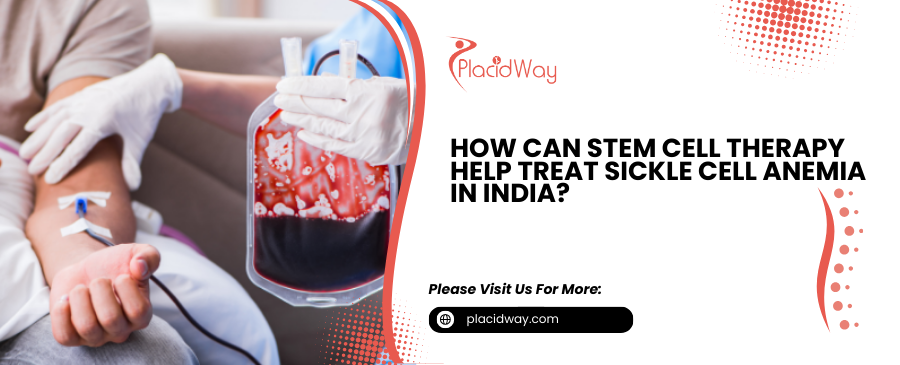
Stem cell therapy, primarily hematopoietic stem cell transplantation (HSCT), can help treat sickle cell anemia in India by replacing faulty bone marrow with healthy stem cells from a compatible donor. This treatment offers a potential cure with success rates ranging from 85% to 95% for matched sibling donor transplants, particularly in pediatric patients, allowing the body to produce normal red blood cells.
Sickle cell anemia is a debilitating genetic blood disorder affecting millions globally, with a significant patient population in India. This chronic condition leads to severe pain and life-threatening complications, prompting many to seek advanced treatment options.
Among the most promising advancements is stem cell therapy, which offers a potentially curative path rather than just symptom management. India has emerged as a leading destination for such innovative medical procedures.
Understanding How Can Stem Cell Therapy Help Treat Sickle Cell Anemia in India? involves exploring its mechanisms, benefits, and the robust healthcare infrastructure available.
As a medical tourism facilitator, PlacidWay connects patients with world-class facilities and expert care in India, guiding them through every step of their treatment journey, though we are not a medical provider ourselves.
What Key Benefits Does Stem Cell Therapy Offer for Sickle Cell Anemia?
- Curative Potential: Stem cell therapy is the only established cure for sickle cell anemia, addressing the root cause of the disease.
- Improved Quality of Life: Patients can experience a life free from chronic pain crises and debilitating symptoms.
- Reduced Organ Damage: By preventing sickle cell formation, the therapy significantly lowers the risk of severe organ complications.
- Decreased Medication Reliance: Successful treatment can reduce or eliminate the need for lifelong medications and frequent transfusions.
- Access to Advanced Care: India offers state-of-the-art facilities and experienced specialists comparable to global standards.
What is Sickle Cell Anemia and How Does Stem Cell Therapy Work?
Sickle cell anemia is a genetic blood disorder where red blood cells become rigid, sticky, and sickle-shaped, blocking blood flow and leading to pain, organ damage, and other severe health problems.
This inherited condition results from a genetic mutation that causes the body to produce abnormal hemoglobin. Normally, red blood cells are flexible and round, facilitating easy movement through blood vessels and efficient oxygen transport.
However, in sickle cell anemia, these cells take on a crescent shape, becoming hard and sticky. This abnormal shape not only impairs their ability to carry oxygen but also causes them to clump together, leading to blockages in small blood vessels.
These blockages trigger excruciating pain crises, known as vaso-occlusive crises, and contribute to chronic complications. Such complications include stroke, acute chest syndrome, severe infections, and progressive damage to vital organs like the spleen, kidneys, and liver, profoundly affecting quality of life and life expectancy.
Stem cell therapy, specifically hematopoietic stem cell transplantation (HSCT), offers a transformative solution by directly addressing the root cause. The process begins with a crucial step called conditioning, which involves using chemotherapy or radiation to suppress the patient’s existing, faulty bone marrow.
This critical phase eliminates the defective stem cells responsible for producing sickle cells and creates the necessary space for new, healthy stem cells. Following conditioning, healthy stem cells are carefully infused into the patient’s bloodstream.
These healthy stem cells, typically sourced from a compatible donor (often a sibling), then embark on a journey to the bone marrow. Once there, they engraft, meaning they settle in and begin to proliferate, effectively taking over the production of blood cells.
Over time, these newly generated healthy cells completely replace the abnormal sickle cells. This process resolves the underlying genetic defect, allowing the body to produce normal, oxygen-carrying red blood cells and thereby alleviating the debilitating symptoms and complications associated with sickle cell anemia.
What is the Evidence and Key Considerations for Stem Cell Therapy?
Evidence & Outcomes: Stem cell therapy, particularly HSCT, is considered the only established cure for sickle cell anemia, with high success rates in India comparable to international standards. For pediatric patients receiving transplants from fully matched sibling donors, cure rates can be as high as 90-95%, especially when undertaken with minimal prior organ damage.
Risks & Contraindications: While curative, stem cell therapy carries significant risks including infection, graft-versus-host disease (GVHD), organ toxicity from chemotherapy, graft failure, and potential infertility. Patients must undergo rigorous screening to determine eligibility, and outcomes can vary individually; seek immediate medical care if you experience severe fever, persistent pain, or signs of organ dysfunction post-procedure.
Did you know that India is home to some of the world’s most advanced medical facilities, where patients often save significant amounts on Stem Cell Therapy while receiving care that meets or exceeds international hospital standards?
How Does the Cost of Stem Cell Therapy for Sickle Cell Anemia in India Compare Globally?
The cost of stem cell therapy for sickle cell anemia in India presents a compelling advantage for many international patients. With prices typically ranging from $20,000 to $50,000 USD, India offers a significantly more affordable option compared to Western countries.
This lower cost does not compromise the quality of care, making life-changing treatments accessible to a broader patient base worldwide. These estimates generally cover the entire treatment package, including pre-transplant evaluations, conditioning chemotherapy, donor work-up, extensive hospital stays, necessary post-transplant medications, and follow-up care for a specified period.
Essential Facts & Pro-Tips
What Does the Typical Stem Cell Therapy Journey in India Involve?
The treatment journey for sickle cell anemia in India is meticulously planned to ensure optimal outcomes while providing comprehensive patient support. The process emphasizes efficiency to minimize patient downtime while adhering to rigorous safety and care protocols.