Can Stem Cell Treatment in Turkey Offer Hope for Children with Autism?
Discover how families like George’s are finding hope with autism stem cell treatment in Turkey, offering advanced care and significant improvements for children like Oliver.
From the UK to Turkey: A Father’s Fight for Autism TreatmentAutism Stem Cell Treatment in Turkey: A Father’s JourneyDiscover how families like George’s are finding hope with autism stem cell treatment in Turkey, offering advanced care and significant improvements for children like Oliver.
Families seeking advanced autism treatments find promising options in Turkey, where stem cell therapy offers improved social skills, communication, and cognitive function. This alternative, often more accessible and affordable than in Western countries, provides a tangible pathway to enhanced quality of life, with families reporting subtle yet significant progress such as increased eye contact and verbal interaction.
For many parents, navigating an autism diagnosis for their child marks the beginning of an often challenging search for effective treatments. In the United Kingdom, like many Western nations, traditional approaches focus on managing symptoms rather than exploring regenerative possibilities.
This reality led George, a father from Liverpool, on a determined quest for his son, Oliver. His journey brought him thousands of miles away, seeking hope and innovative therapies for Oliver’s autism.
This article explores the inspiring story of George and Oliver, highlighting the growing trend of medical tourism for specialized care. It delves into the reasons why countries like Turkey are emerging as leading destinations for advanced treatments like stem cell therapy for autism, offering both medical innovation and affordability.
PlacidWay is a medical tourism facilitator, connecting patients with vetted international providers, making journeys like George’s possible. Discover how families like theirs are finding new pathways to progress through From the UK to Turkey: A Father’s Fight for Autism Treatment.
What Key Takeaways Should You Consider for Autism Treatment Abroad?
Enhanced Accessibility:Turkey offers stem cell treatments for autism that are often unavailable or prohibitively expensive in countries like the UK.
Potential for Progress:Patients like Oliver have shown improvements in eye contact, communication, and social interaction following treatment.
Affordable Advanced Care:Medical advancements in Turkey make cutting-edge therapies more accessible without compromising quality.
Comprehensive Support:Facilitators like PlacidWay streamline the complex process of international medical travel, from information to clinic connections.
Empowered Parenthood:Parents gain renewed hope and a proactive role in their child’s developmental journey.
Understanding Stem Cell Treatment for Autism Spectrum Disorder
Stem cell treatment for autism is an emerging therapy that utilizes the regenerative potential of stem cells to address neurological dysfunction associated with Autism Spectrum Disorder (ASD).
This innovative approach aims to modulate immune responses, reduce neuroinflammation, and potentially facilitate neural repair and connectivity. The process typically involves extracting stem cells, often from the patient’s own bone marrow or adipose tissue, or from umbilical cord blood.
These cells are then processed and reinfused into the patient, aiming to introduce cells with the capacity to differentiate and support various bodily functions, particularly within the central nervous system. The goal is to improve communication pathways and overall neurological function, which can positively impact the core symptoms of autism such as social interaction deficits and repetitive behaviors.
What Evidence Supports Stem Cell Therapy for Autism, and What Are the Risks?
Evidence & Outcomes: While still considered experimental in many countries, anecdotal evidence and preliminary studies from clinics worldwide, including those in Turkey, suggest promising results. Patients like Oliver have experienced tangible improvements, such as increased eye contact, responsive behavior, and attempts at new words, leading to a profound impact on family life and interaction.
Risks & Contraindications: Potential risks include infection, immune reactions, or complications related to cell extraction and reinfusion, though the procedure is generally non-invasive. Individual results vary significantly, and stem cell therapy for autism is not a guaranteed cure. Always consult a qualified medical professional to assess suitability and potential risks. Seek immediate care if you experience severe pain, fever, or unexpected neurological changes post-procedure.
Did You Know?
Did you know that Turkey is home to some of the world’s most advanced medical facilities, where patients often save significant amounts on Stem Cell Treatment for Autism while receiving care that meets or exceeds international hospital standards?
How Does the Cost of Stem Cell Treatment for Autism in Turkey Compare?
The significant cost disparity for advanced medical treatments like stem cell therapy for autism is a primary driver for medical tourism. In countries like the UK, the limited availability and high price points can make these therapies inaccessible to many families. Turkey presents a compelling alternative, offering comparable or even superior medical technology and expertise at a fraction of the cost.
This affordability does not compromise quality, as many Turkish clinics adhere to stringent international standards, utilizing state-of-the-art facilities and highly qualified medical personnel. The table below illustrates the potential savings achievable by choosing Turkey for autism stem cell treatment.
Cost Breakdown
Major Savings
Country
Estimated Cost
Average Savings
Turkey
$15,000 – $30,000
Starting Point Best Value
United States
$50,000 – $100,000+
Up to 70% Savings
United Kingdom
$40,000 – $80,000+
Up to 60% Savings
Canada / Australia
$45,000 – $90,000+
Up to 65% Savings
Essential Facts & Pro-Tips
1
Fast Fact: Many Turkish clinics, such as You Clinic, are equipped with state-of-the-art facilities and experienced specialists in regenerative medicine.
2
Travel Tip: When planning international medical travel, remember to account for visa requirements, local transportation, and accommodation that can comfortably support both the patient and accompanying family members.
3
Recovery Tip: Post-treatment, continuing with existing therapies such as speech, occupational, and behavioral therapy can significantly support and enhance the positive changes seen from stem cell intervention.
What Does a Typical Stem Cell Treatment Journey in Turkey Entail?
The medical journey for stem cell treatment in Turkey is structured to ensure efficiency and patient comfort. Clinics prioritize clear communication and meticulous care, from the initial consultation to post-procedure observation.
The process minimizes downtime while ensuring every safety protocol is strictly followed. Medical teams guide families through each stage, providing reassurance and addressing concerns.
Day 01
Consultation and Preparatory Assessments
Arrival at the clinic for final lab work, comprehensive medical history review, and detailed discussion with the lead specialist about the treatment plan and expectations. This ensures personalized care.
Day 02 — 03
Stem Cell Procedure and Initial Recovery
The primary medical intervention, involving the extraction and reinfusion of stem cells, is performed. This is followed by immediate recovery and close monitoring in a comfortable environment, prioritizing patient well-being.
Day 04 — 05
Post-Procedure Observation and Discharge Planning
Follow-up check-ups and observations are conducted to ensure healing is progressing according to the personalized plan. Patients receive detailed aftercare instructions and support for their return home.
Frequently Asked Questions
1. Is stem cell treatment for autism safe in Turkey?+
Yes, many clinics in Turkey specializing in stem cell treatment adhere to international medical standards and utilize modern facilities. You Clinic, for instance, is described as state-of-the-art and professional. The procedure is non-invasive, but like any medical intervention, it carries inherent risks that should be thoroughly discussed with medical professionals.
2. What kind of improvements can be expected after the treatment?+
While results vary, some patients have shown subtle but significant improvements. Oliver, for example, demonstrated more eye contact, responded to his name, and attempted new words, eventually offering a voluntary hug. These changes often indicate enhanced awareness, improved communication, and better social connection.
3. Why choose Turkey over the UK for autism stem cell treatment?+
In the UK, stem cell treatment for autism is not widely available and often comes with unaffordable costs. Turkey offers this advanced therapy more accessibly and affordably due to a combination of medical advancements and a different healthcare economic model. Many families find this makes promising treatments a realistic option.
4. How does PlacidWay assist families in their medical tourism journey?+
PlacidWay acts as a trusted platform connecting patients with top medical providers worldwide. They offer detailed information, answer questions, and facilitate communication with clinics like You Clinic in Turkey. This support helps families like George’s overcome the complexities and fears associated with international medical travel, providing clarity and confidence.
5. What are the logistical steps involved in traveling for treatment?+
Preparing for international treatment involves several logistical considerations. Families typically manage finances, organize necessary visas, and prepare their child for travel to a new country. PlacidWay can offer guidance on these aspects, helping to ensure a smoother and less stressful experience for both the patient and their guardians.
6. Are the medical facilities in Turkey of high quality?+
Based on patient experiences like George’s, Turkish medical facilities are often described as modern, clean, and professional. The medical teams are highlighted for their expertise and compassionate approach, which is crucial for treating children with autism. These factors contribute significantly to patient comfort and confidence during the treatment process abroad.
7. What are the potential side effects of stem cell therapy for autism?+
While generally considered safe, any medical procedure carries potential risks. Side effects with stem cell therapy are typically minimal and may include temporary discomfort at the injection site or mild flu-like symptoms. Serious complications are rare, but it is vital to discuss all possible outcomes and contraindications with the treating physician before commencing any treatment plan.
8. Is stem cell treatment for autism considered a cure?+
No, stem cell treatment for autism is not considered a cure. Instead, it is an intervention aimed at improving neurological function and mitigating some of the core symptoms associated with autism spectrum disorder. The goal is to enhance the child’s quality of life and developmental trajectory, often in conjunction with ongoing behavioral and developmental therapies.
Ready to Take the Next Step Towards Recovery?
Choosing the right destination for your medical care is significant. By opting for treatment abroad, you are not just saving on costs—you are gaining access to specialized clinicians and world-class care.
Medical Disclaimer:This article is for informational and educational purposes only and is not intended to provide medical advice, diagnosis, or treatment. PlacidWay is a medical tourism facilitator, connecting patients with healthcare providers, and does not provide direct medical services. Always consult a qualified and licensed physician or healthcare professional for any medical concerns or before making any decisions related to your health or treatment. Individual results for medical procedures can vary significantly and are not guaranteed. If you experience severe or worsening symptoms, please seek immediate professional medical care.
Tell us what you are trying to find out. A coordinator replies with information — not a diagnosis.
Submitted over a secure connection
No cost and no obligation to proceed
Typical reply within one business day
Accountability
Who stands behind this article
Health content should never be anonymous. Here are the people who wrote and checked it,
with credentials you can verify independently.
Article written by
Hina Munawar
This author specializes in global healthcare trends and medical education. By focusing on evidence-based practices and a patient-first approach, they provide accessible resources to help readers navigate their international treatment options with clarity.
Editorial focusStem cell therapy, regenerative medicine and patient education
Content approachResearch-informed, understandable and non-promotional
Stem Cell Therapy, Longevity & Regenerative Medicine Specialist
Dr. Alejandro Fernando is a Mexico City-based physician and medical
content reviewer focused on stem cell therapy, regenerative medicine,
cellular therapy and longevity medicine. His reviewer profile lists
medical and postgraduate training related to regenerative medicine,
cellular therapy and stem cell biology.
Doctor of MedicinePhD in Regenerative Medicine & Cellular TherapyStem Cell and Regenerative MedicineMexico City, MexicoEnglish and Spanish
Discover the price differences for regenerative medicine in Costa Rica versus the US. Compare treatment costs, facility standards, package inclusions, and travel expenses.
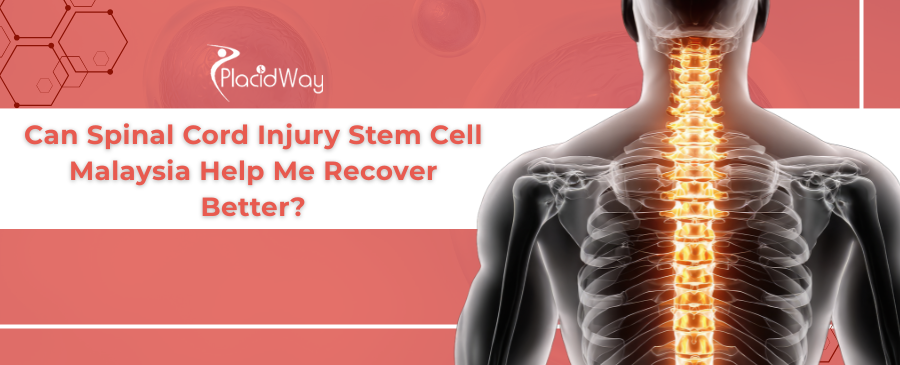
Explore how spinal cord injury stem cell therapy in Malaysia can aid recovery. Learn about costs ($10,000-$25,000), benefits, safety, and treatment outcomes.
.png "1741098868 From The Uk To Turkey A Father’s Fight For Autism Treatment (1)")