Stem cell therapy for rheumatoid arthritis in Thailand provides an innovative treatment approach for patients seeking autoimmune relief. The procedure uses regenerative cells to help reduce joint inflammation and modulate the immune system response. Many international patients choose this destination for its advanced medical facilities and specialized regenerative medicine specialists.
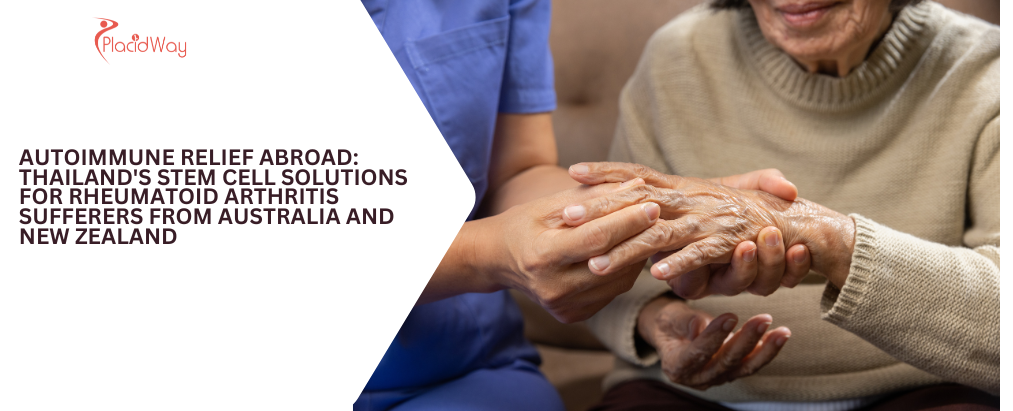
Patients experiencing chronic joint pain often explore international options like stem cell therapy centers in Thailand to manage their condition. This regenerative approach focuses on modulating the immune system and reducing the severe inflammation associated with autoimmune disorders. By thoroughly researching certified providers and stem cell therapy packages in Thailand you can make an informed healthcare decision. Understanding the clinical protocols and verifying specialist credentials are vital steps before traveling abroad for medical care.
Quick Summary
- Estimated Cost USD 7000 to USD 15000 depending on the clinical protocol
- Ideal Candidate Patients with moderate to severe rheumatoid arthritis seeking alternative inflammatory relief
- Recovery Time Typically 3 to 7 days for initial clinical observation before traveling home
- Safety Overview Regulated by the Thai Ministry of Public Health requiring strict clinical compliance
- Main Reason Patients Choose Thailand Availability of specialized regenerative medicine clinics and experienced doctors
- Important Caution Treatment efficacy varies by individual and stem cell therapy is not a guaranteed cure
Understanding Stem Cell Solutions for Rheumatoid Arthritis in Thailand
Rheumatoid arthritis is a chronic autoimmune condition that causes the immune system to mistakenly attack healthy joint tissues. This leads to severe pain swelling and progressive joint damage over time. Traditional treatments often rely on immunosuppressants and biologic medications which can manage symptoms but may carry long term side effects. Many patients look abroad for alternative approaches to achieve autoimmune relief and improve their daily mobility.
Thailand has emerged as a prominent destination for regenerative medicine offering specialized therapies tailored to autoimmune conditions. Medical facilities in this country utilize mesenchymal stem cells harvested from ethically sourced umbilical cord tissue or the patient own bone marrow. These cells possess unique immunomodulatory properties meaning they can help regulate the immune system rather than simply suppressing it. This biological mechanism aims to calm the aggressive immune response causing the joint destruction.
Choosing to travel for this medical procedure requires careful consideration of the clinical protocols involved. Patients must undergo thorough medical evaluations to determine their suitability for regenerative therapies. Specialists will review detailed medical histories imaging reports and recent blood work to customize the cell dosage and delivery method. Intravenous infusion and localized joint injections are the most common administration routes utilized by doctors to maximize the therapeutic effect.
Always ensure your chosen clinic clearly explains the source of the regenerative cells and the specific cell count being administered during your therapy.
Patient Demographics and Medical Travel Trends for Thailand
International patients traveling to Southeast Asia for regenerative medicine come from diverse demographic backgrounds. Medical tourism reports from 2024 indicate a strong influx of individuals from Australia New Zealand and North America seeking alternative treatments for chronic joint issues. High domestic healthcare costs and long waiting times for specialized therapies are the primary drivers for this outbound medical travel. Patients typically spend several months researching destination options before committing to a clinic.
The age distribution of these medical travelers highlights the widespread impact of autoimmune disorders across different life stages. While rheumatoid arthritis is frequently associated with older adults younger demographics are increasingly exploring early intervention therapies. By addressing immune dysfunction earlier some patients hope to slow the progression of joint deformity and maintain their active lifestyles. The availability of comprehensive medical packages makes this destination particularly appealing to middle aged professionals.
Source Global Regenerative Medicine Medical Tourism Report 2024.
How Regenerative Cells Modulate Autoimmune Inflammation
Mesenchymal stem cells act as biological managers within the human body actively communicating with surrounding tissues. When introduced into a patient with rheumatoid arthritis these cells detect areas of high inflammation. They then release specific cytokines and growth factors designed to alter the behavior of overactive immune cells. This process helps shift the immune system from a highly inflammatory state to a more balanced and regulated condition.
The therapeutic effect is not about replacing damaged cartilage directly but rather creating a healing environment within the joint capsule. By reducing the presence of inflammatory markers like tumor necrosis factor and interleukins the cells help alleviate pain and swelling. This immunomodulatory function is why specialists focus heavily on systemic delivery methods for autoimmune patients. Intravenous administration allows the cells to circulate and address widespread systemic inflammation across multiple affected joints simultaneously.
Ongoing clinical research continues to validate the safety and potential efficacy of these cellular mechanisms. While the biological processes are complex the primary patient goal remains straightforward which is regaining joint function and improving quality of life. Understanding how these microscopic cells interact with your immune system can help set realistic expectations for your recovery timeline. It is important to note that biological responses vary significantly between individuals based on disease severity.
Medical therapies involving cell regeneration require time to produce noticeable clinical effects. Patients should not expect immediate pain relief immediately following the infusion procedure.
Comparing Stem Cell Treatment Costs in Thailand Versus Home
Financial considerations play a major role in the decision to seek healthcare abroad. In countries like the United States or Australia regenerative treatments for autoimmune diseases can be prohibitively expensive and are rarely covered by standard health insurance. Patients often face out of pocket costs that make ongoing care unsustainable. Southeast Asia offers a more accessible price point without necessarily compromising the quality of the medical facilities.
The overall price of care in Thailand typically includes comprehensive medical packages that cover clinical consultations laboratory tests cell expansion and the actual infusion. Some premium clinics also bundle accommodation and airport transfers into the final quote. This bundled approach provides cost transparency and helps international travelers budget effectively for their medical journey. However patients must remain vigilant about potential hidden costs related to extra diagnostic scans or extended medical stays.
It is crucial to request an itemized written quote from the hospital before making any financial deposits. Compare the cell count included in the price as lower quotes might indicate a lower dosage of therapeutic cells. Always verify whether follow up consultations and post treatment medications are included in the initial cost. Proper financial planning ensures a stress free experience allowing you to focus entirely on your health and recovery.
| Destination Country | Estimated Cost Range in USD | Primary Cost Factors |
|---|---|---|
| United States | 15000 to 30000 | High clinical overhead and strict laboratory fees |
| Australia | 12000 to 25000 | Regulatory compliance and limited specialized facilities |
| Thailand | 7000 to 15000 | Favorable exchange rates and bundled medical packages |
Selecting Certified Hospitals for Stem Cell Therapy in Thailand
Patient safety hinges on choosing a properly licensed and regulated medical facility. Thailand boasts a robust healthcare infrastructure but medical tourists must still perform due diligence when selecting a provider. The Thai Ministry of Public Health enforces strict regulations regarding the handling processing and administration of human cells. Clinics offering these advanced therapies must hold specific licenses to operate biological laboratories and administer regenerative treatments legally.
When evaluating potential hospitals prioritize those that explicitly display their national licensing information. Reputable centers will have their cell processing laboratories certified for Good Manufacturing Practice which ensures the highest standards of sterility and cell viability. Additionally many top tier hospitals in this region hold accreditation from the Joint Commission International demonstrating their commitment to global healthcare quality and patient safety standards.
Avoid facilities that make unrealistic guarantees or promise permanent cures for rheumatoid arthritis. Ethical medical providers will transparently discuss both the potential benefits and the inherent risks of the procedure. They should offer comprehensive pre treatment consultations allowing you to ask detailed questions about their clinical protocols. Requesting virtual consultations before booking your travel is an excellent way to gauge the professionalism and communication skills of the medical team.
Hospital Vetting Checklist
- Verify the facility is licensed by the Thai Ministry of Public Health
- Confirm the cell processing laboratory holds Good Manufacturing Practice certification
- Ask for documented proof of Joint Commission International accreditation if applicable
- Ensure the clinic offers a transparent itemized cost breakdown
- Check for an in house intensive care unit for emergency medical support
- Request a clear written policy on complication management
Evaluating Doctor Credentials for Autoimmune Treatments in Thailand
The expertise of the administering physician is just as critical as the quality of the medical facility. Specialists treating rheumatoid arthritis with regenerative cells should have a strong background in immunology rheumatology or specific regenerative medicine protocols. You should verify that the doctor is fully registered with the Medical Council of Thailand which is the national governing body for medical practitioners. This registration confirms they have met the educational and ethical standards required to practice medicine in the country.
Beyond basic licensing inquire about the specialist specific experience with cell based therapies. Ask how many procedures they perform annually for autoimmune conditions specifically. Doctors who regularly treat international patients will often have additional certifications or memberships in international professional societies related to cell therapy. They should be able to clearly explain the biological rationale behind the specific cell dosage and delivery method they recommend for your individual case.
Language barriers can cause significant anxiety during medical treatments so ensure the primary physician speaks fluent English or that a dedicated medical interpreter is provided. Clear communication is essential for accurately discussing your medical history understanding the consent forms and following post procedure instructions. A caring and attentive doctor will take the time to address all your concerns ensuring you feel completely confident before proceeding with the therapy.
The Patient Journey and Recovery Timeline in Thailand
Understanding the procedural timeline helps patients plan their medical travel efficiently. The journey typically begins with an extensive initial consultation and blood work upon arrival at the clinic. Doctors need current data on your inflammatory markers to finalize the treatment protocol. Once cleared for the procedure the actual administration of the cells usually takes a few hours depending on whether it involves intravenous drips localized joint injections or a combination of both.
Following the therapy patients are generally monitored in the clinic for a few hours before being discharged to their hotel. The initial recovery phase is typically mild with some patients experiencing temporary fatigue or mild soreness at the injection sites. Doctors usually recommend resting for three to five days in the destination country to allow for any immediate follow up consultations. This brief observation period ensures that no acute adverse reactions occur before you board a long flight home.
The biological healing process continues for months after the actual clinical visit. Patients are advised to maintain open communication with their international provider through virtual follow up appointments. Tracking changes in joint pain morning stiffness and overall energy levels helps the medical team evaluate the treatment efficacy. Adhering to a healthy anti inflammatory lifestyle back home will support the regenerative processes initiated during your time abroad.
| Timeframe | Clinical Process | Patient Sensation | Activity Level | Action Required |
|---|---|---|---|---|
| Days 1 to 2 | Medical evaluation and cell administration | Mild fatigue or localized injection site soreness | Low activity resting in hotel | Attend clinic follow instructions |
| Days 3 to 7 | Clinical observation and initial biological response | Gradual energy return mild stiffness | Light walking avoiding strain | Attend final follow up appointment |
| Weeks 2 to 6 | Systemic immunomodulation begins | Potential reduction in acute joint flare ups | Moderate daily activities | Track symptoms report to doctor |
| Months 3 to 6 | Maximum cellular therapeutic effect | Improved joint mobility and decreased morning stiffness | Return to normal lifestyle | Conduct follow up blood work |
Clinical Evidence and Success Rates for Rheumatoid Arthritis Treatment
Patients researching alternative therapies heavily rely on clinical evidence to justify their medical travel decisions. Recent systematic reviews and clinical trials published between 2024 and 2025 demonstrate promising outcomes for mesenchymal stem cells in treating rheumatoid arthritis. These studies often measure success using standardized rheumatology criteria such as the reduction in swollen joints and improvement in patient reported pain scores. The data indicates that a significant percentage of patients experience a meaningful clinical response within twelve to twenty four weeks post treatment.
The effectiveness of the therapy is closely tied to the quality of the cells used and the severity of the autoimmune disease at the time of treatment. Patients with early stage rheumatoid arthritis often show more robust responses compared to those with advanced irreversible joint deformity. The regenerative cells are most effective at modulating active inflammation rather than rebuilding bone that has already been destroyed. This is why specialist consultation is crucial for setting accurate clinical expectations.
Source International Journal of Regenerative Clinical Outcomes 2025.
Potential Risks and Medical Considerations for Stem Cell Patients
No medical procedure is entirely devoid of risk and regenerative therapies are no exception. While mesenchymal stem cells are generally well tolerated because they lack certain cell surface markers that trigger rejection immune reactions remain a possibility. Patients may experience transient fever chills or localized swelling immediately following the intravenous infusion. These acute symptoms are typically managed effectively with standard medical care within the clinic setting.
Long term safety monitoring is a vital component of responsible medical tourism. Patients with a history of certain cancers or severe active infections may be contraindicated for this specific therapy as the immunomodulatory effects could potentially complicate their primary health issues. A comprehensive medical screening prior to travel helps identify these risk factors and ensures patient safety remains the highest priority. Honest disclosure of your complete medical history to the foreign specialist is non negotiable.
It is also important to consider the logistical risks associated with receiving care far from home. Should a rare complication arise after returning to your home country you will need local healthcare providers willing to assist with follow up care. Establishing a clear communication channel between your treating physician abroad and your primary care doctor at home can mitigate these challenges. Reputable clinics will provide detailed medical reports to facilitate this continuity of care.
Potential Clinical Benefits
- Systemic reduction of autoimmune inflammation
- Potential decrease in reliance on traditional immunosuppressants
- Improvement in overall joint mobility and daily function
- Minimally invasive outpatient procedure
Important Health Risks
- Possibility of mild acute immune reactions or fever
- Risk of infection at the localized injection sites
- Variable treatment efficacy depending on disease progression
- Challenges in coordinating international follow up care
Planning Your Medical Trip to Thailand for Autoimmune Relief
Organizing a medical journey requires meticulous attention to detail to ensure a smooth and stress free experience. Once you have selected a certified clinic begin coordinating your travel dates based on the required recovery observation period. Ensure your passport is valid for at least six months and check the specific visa requirements for medical tourists entering the country. Many clinics provide invitation letters to help expedite the medical visa application process for international patients.
Arrange your accommodations close to the medical facility to minimize travel stress during your treatment days. Many high end hospitals have dedicated international patient departments that assist with booking partner hotels and arranging reliable airport transportation. Factoring these logistical details into your overall budget is essential for preventing unexpected financial strain. It is also highly recommended to purchase comprehensive travel health insurance that explicitly covers complications arising from planned medical procedures.
Pack comfortable loose fitting clothing that allows easy access to your arms for intravenous lines and your affected joints for localized injections. Bring physical copies of your most recent medical records imaging disks and a complete list of your current medications. Even if you submitted these digitally having physical backups ensures no delays in your clinical evaluation upon arrival. Mental preparation is equally important so practice relaxation techniques to manage pre procedure anxiety.
Importance of Structured Post Treatment Aftercare
The success of regenerative medicine relies heavily on how well the patient cares for their body after the procedure. Returning home marks the beginning of the biological healing phase rather than the end of the medical journey. Patients must adhere strictly to the post treatment guidelines provided by their specialist which often include temporary dietary adjustments and physical activity modifications. Avoiding strenuous high impact exercise for several weeks allows the joints to heal without unnecessary mechanical stress.
Nutrition plays a supportive role in maximizing the immunomodulatory effects of the therapy. Adopting an anti inflammatory diet rich in omega three fatty acids fresh vegetables and lean proteins can help maintain the reduced inflammation levels achieved by the cells. Conversely avoiding processed foods excessive sugars and alcohol is crucial for preventing dietary induced flare ups. Your clinic may also recommend specific vitamins or supplements to support cellular health during the crucial three to six month recovery window.
Regular monitoring of your symptoms is required to assess the long term efficacy of the treatment. Keep a daily journal documenting your pain levels morning stiffness duration and overall fatigue. Sharing this detailed information during virtual follow up consultations allows your specialist to track your progress accurately. If you notice any sudden worsening of symptoms or signs of infection seek immediate evaluation from a local healthcare provider and notify your international clinic.
Frequently Asked Questions About Stem Cell Therapy for Rheumatoid Arthritis in Thailand
How much does stem cell therapy for rheumatoid arthritis cost in Thailand?
The procedure typically ranges from USD 7000 to USD 15000. Prices vary based on the required cell dosage the source of the regenerative cells and the specific clinical package offered by the medical facility.
Is stem cell treatment safe for autoimmune diseases?
When performed by certified specialists in regulated environments the therapy is generally well tolerated. However risks such as mild fever or localized injection site soreness exist making comprehensive pre medical screening essential.
How long do I need to stay in Thailand for recovery?
Patients are usually advised to remain in the country for 3 to 7 days after the procedure. This allows the medical team to monitor for any acute reactions and conduct necessary follow up consultations.
Are the results of regenerative therapy permanent?
Results are not considered a permanent cure. While many patients experience significant symptom relief for several months to a few years the chronic nature of rheumatoid arthritis may require future maintenance therapies.
How do I verify the credentials of a Thai clinic?
You should check for licensing by the Thai Ministry of Public Health verify the laboratory Good Manufacturing Practice certification and look for international accreditations such as the Joint Commission International.
Will I need to stop my current arthritis medications?
Never stop your prescribed medications without medical supervision. Your treating specialist will review your current pharmacology and provide specific instructions on managing your medications before and after the cell therapy.
PlacidWay can help you compare specialized clinics understand potential treatment costs and review provider credentials before you travel.
Related Stem Cell Therapy Resources on PlacidWay
Disclaimer: This information is for educational purposes only and does not replace professional medical advice. Always consult a qualified healthcare provider before making medical decisions.
References
- Clinical Overview of Mesenchymal Stem Cells in Autoimmune Diseases – National Center for Biotechnology Information
- Rheumatoid Arthritis Patient Guidelines – American College of Rheumatology
- Healthcare Regulations and Licensing – Ministry of Public Health Thailand
- Rheumatoid Arthritis Fact Sheet – World Health Organization
- Cell Therapy Safety Standards – International Society for Cell & Gene Therapy
- Efficacy of Cellular Therapies in Inflammatory Joint Disease 2024 – PubMed Central