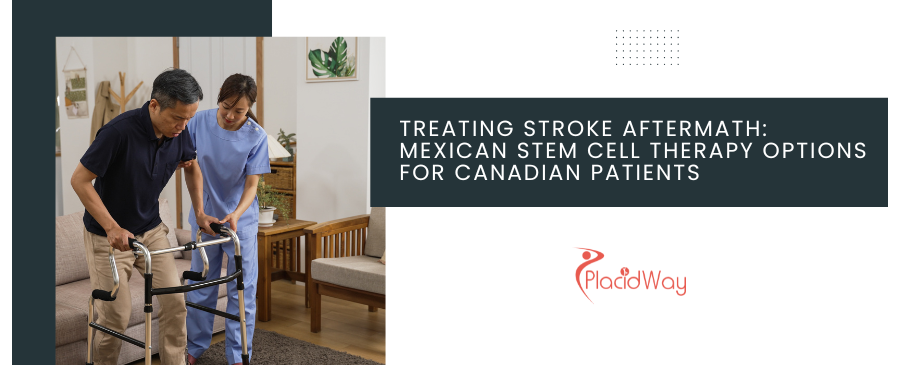
Mexican stem cell therapy offers a promising avenue for Canadian stroke patients seeking enhanced recovery. This innovative treatment helps repair brain damage, improves motor and cognitive functions, and aids in speech restoration. Patients often report significant improvements, with treatment costs in Mexico typically ranging from $7,000 to $18,000 USD, considerably more affordable than options in Canada.
A stroke is a life-altering medical event, frequently leaving survivors with persistent impairments such as paralysis, speech difficulties, memory loss, and various cognitive challenges. While conventional rehabilitation therapies—like physical therapy, speech therapy, and medication—are crucial, they often do not fully mend the brain damage sustained during a stroke.
In recent years, stem cell therapy has emerged as a hopeful frontier for stroke recovery, extending new possibilities to individuals who have reached a plateau with traditional treatments. Stem cells hold the potential to repair damaged brain tissue, significantly improving motor and cognitive function, and enhancing the overall quality of life.
Due to the high costs and limited access to stem cell therapy in Canada, many stroke survivors are increasingly considering international options. Mexico has become a leading destination, with its advanced medical facilities offering innovative treatments at more accessible prices. PlacidWay acts as a medical tourism facilitator, connecting patients with these top-rated clinics and guiding them through their healthcare journey, rather than providing direct medical care.
This article explores Treating Stroke Aftermath: Mexican Stem Cell Therapy Options for Canadian Patients, detailing the benefits, costs, and patient experiences associated with this promising approach to neurological rehabilitation.
Key Benefits of Stem Cell Therapy for Stroke Aftermath
- Brain Cell Regeneration: Stem cells stimulate the growth of new brain cells, replacing neurons damaged by the stroke.
- Improved Motor Function: Many patients experience enhanced movement, coordination, and strength in affected limbs.
- Restored Speech Abilities: Therapy can help recover communication skills, addressing difficulties like aphasia.
- Enhanced Cognitive Function: Patients may see improvements in memory, focus, and problem-solving capabilities.
- Reduced Inflammation: Stem cells possess anti-inflammatory properties, minimizing secondary brain damage post-stroke.
Understanding Stem Cell Therapy for Stroke Recovery
Stem cell therapy for stroke recovery involves introducing mesenchymal stem cells (MSCs) into the body to promote neurological repair and functional restoration. These cells, known for their regenerative potential, stimulate the brain’s natural healing mechanisms.
A stroke occurs when blood flow to a part of the brain is interrupted, either by a blockage (ischemic stroke) or a ruptured blood vessel (hemorrhagic stroke). This interruption deprives brain cells of oxygen, leading to damage or death.
Stem cells are unspecialized cells capable of self-renewal and differentiating into various cell types. In stroke recovery, MSCs are typically sourced from bone marrow, adipose (fat) tissue, or umbilical cord tissue. Once administered, these cells travel to the damaged areas of the brain.
They work by releasing growth factors and anti-inflammatory molecules, which reduce swelling and create a more conducive environment for repair. This process encourages the brain to form new neural connections and regenerate damaged tissue, ultimately aiming to restore lost functions and improve overall quality of life for stroke survivors.
Evidence and Considerations for Stem Cell Stroke Treatment
Evidence & Outcomes: Clinical observations and patient reports suggest that stem cell therapy can lead to significant functional improvements for stroke survivors. Many patients undergoing treatment in Mexico have reported enhanced mobility, clearer speech, and improved cognitive abilities, often after traditional therapies have plateaued. While individual results vary, the data points to promising regenerative potential. For example, patients like Lisa R. regained arm and leg stability, and James T. transitioned from wheelchair use to walking short distances.
Risks & Contraindications: When performed by experienced specialists in accredited clinics, stem cell therapy for stroke survivors is generally considered safe with minimal risks. Potential side effects are rare and typically mild, such as temporary fever or fatigue following treatment. It is crucial to acknowledge that individual outcomes can vary widely, and no treatment offers guaranteed results. Patients should always seek immediate professional medical care if they experience severe or worsening symptoms after any procedure, including unusual pain, swelling, or signs of infection. Consulting a qualified physician is essential to determine suitability and discuss potential risks thoroughly before making any treatment decisions.
Did you know that Mexico is home to some of the world’s most advanced medical facilities, where patients often save significant amounts on Stem Cell Therapy while receiving care that meets or exceeds international hospital standards?
Understanding the Cost of Stem Cell Therapy for Stroke Recovery in Mexico
The cost-effectiveness of stem cell therapy is a primary driver for many Canadian patients choosing Mexico for stroke recovery treatment. While Canada offers limited availability of this advanced therapy, and often at prohibitive prices, Mexico provides world-class care at a fraction of the cost.
This allows patients to access innovative regenerative treatments without the financial burden or extended wait times frequently encountered in their home country. The transparent pricing and comprehensive packages make Mexico an attractive option for those seeking effective yet affordable solutions.
Essential Facts & Pro-Tips
A Typical Treatment Journey for Stem Cell Therapy in Mexico
Mexico’s medical tourism providers prioritize patient convenience and efficient care delivery. The typical treatment process is streamlined to minimize patient discomfort and recovery time, ensuring that all medical protocols are diligently followed. This allows patients to focus entirely on their rehabilitation and recovery.