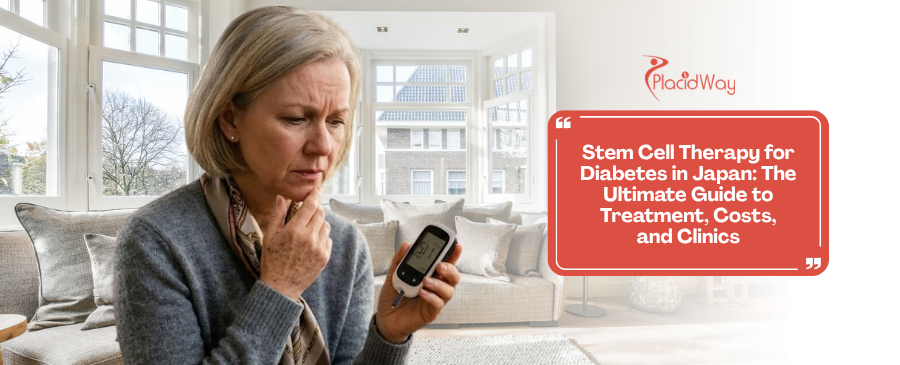
Stem cell therapy for diabetes in Japan offers advanced regenerative treatments targeting the root causes of the disease, rather than just managing symptoms. Patients can receive 100 million to 200 million highly viable mesenchymal stem cells per session, a significantly higher dose than typically available in the USA due to different regulatory frameworks.
Living with diabetes can be a constant challenge, often requiring lifelong medication, strict dietary control, and regular monitoring. Many patients seek options that go beyond symptom management to address the underlying causes and mitigate severe complications.
Japan has emerged as a global leader in regenerative medicine, particularly for advanced Stem Cell Therapy for Diabetes in Japan. This guide explores why Japan is a preferred destination for international patients seeking cutting-edge treatments for both Type 1 and Type 2 diabetes.
This innovative approach aims to repair damaged tissues, restore pancreatic function, and modulate the immune system. It offers a unique pathway to improved health and a better quality of life for those impacted by diabetes.
PlacidWay acts as a medical tourism facilitator, connecting patients with government-certified clinics in Japan. We provide comprehensive information and support throughout your treatment journey, but we are not a medical provider.
What is Stem Cell Therapy for Diabetes?
Stem cell therapy for diabetes is a regenerative medical treatment that utilizes the body’s own stem cells to repair or replace damaged pancreatic cells. It also works to modulate the immune system and reduce systemic inflammation.
This therapy focuses on restoring natural bodily functions rather than solely managing symptoms with external medications. The most common cells used are autologous adipose-derived mesenchymal stem cells (ADSCs), harvested from a small sample of the patient’s own body fat.
These cells are then cultured and expanded in specialized laboratories to achieve a high therapeutic dose. They are subsequently reintroduced into the patient’s bloodstream, typically via an IV drip, targeting areas of damage.
Key Benefits of Stem Cell Treatment for Diabetes in Japan
- Pancreatic Regeneration: Stem cells help protect existing beta cells and encourage the regeneration of pancreatic tissue, which can lead to increased natural insulin production.
- Insulin Sensitivity Improvement: By reducing systemic inflammation, stem cells can restore the body’s sensitivity to insulin, particularly beneficial for Type 2 diabetes.
- Autoimmune Response Modulation: For Type 1 diabetes, stem cells can help calm the immune system, reducing the attack on insulin-producing beta cells.
- Diabetic Complication Reversal: The therapy actively repairs nerve damage, stabilizes kidney function, and accelerates the healing of chronic foot ulcers.
- Enhanced Safety Profile: Utilizing autologous cells minimizes the risk of immune rejection or allergic reactions, ensuring a safer treatment experience.
Understanding the Scientific Evidence and Risks
Evidence & Outcomes: Mesenchymal Stem Cells (MSCs) home to damaged areas, releasing growth factors like VEGF and IGF-1. These factors protect existing beta cells, stimulate regeneration, and promote angiogenesis. Studies show these mechanisms contribute to improved insulin sensitivity and reduced inflammatory responses, leading to better glycemic control and fewer complications over 3-6 months. Japan’s ASRM framework ensures high-dose, viable cell delivery, differentiating its approach from other regions.
Risks & Contraindications: While stem cell therapy in Japan is generally considered safe due to stringent regulations and the use of autologous cells, potential risks include minor infection at the injection site or temporary discomfort. Individual results vary significantly; therapy is not a guaranteed cure and outcomes depend on the patient’s overall health and disease progression. Patients should never discontinue prescribed medications abruptly. Seek immediate professional medical care if you experience severe pain, fever, or signs of allergic reaction after treatment.
Did You Know?
Did you know that Tokyo and Osaka are home to some of the world’s most advanced medical facilities, where patients often save significant amounts on Stem Cell Therapy for Diabetes while receiving care that meets or exceeds international hospital standards?
What is the Cost of Stem Cell Therapy for Diabetes in Japan?
The cost of stem cell therapy for diabetes in Japan typically ranges from $15,000 to $25,000 USD. This price includes comprehensive laboratory cell culture expansion, where a small fat sample is multiplied into hundreds of millions of high-quality stem cells.
In contrast, similar treatments in the United States generally cost $30,000 to over $45,000 USD. These US procedures are often limited by FDA regulations to minimally manipulated, same-day applications without large-scale cell expansion. Japan’s progressive regulatory framework allows for a more cost-effective and therapeutically robust approach.
Cost Breakdown
Major Savings
| Country |
Estimated Cost |
Average Savings |
| Japan |
$15,000 – $25,000 |
Starting Point Best Value |
| United States |
$30,000 – $45,000+ |
47.3% Savings |
| United Kingdom |
$28,000 – $35,000 |
37.5% Savings |
| Canada / Australia |
$28,000 – $35,000 |
37.5% Savings |
Essential Facts & Pro-Tips
1
Fast Fact: Japan’s Ministry of Health, Labour and Welfare (MHLW) strictly audits and licenses medical facilities under the Act on the Safety of Regenerative Medicine (ASRM), ensuring pharmaceutical-grade, ISO-certified cleanroom standards.
2
Travel Tip: Most international treatment plans involve two short trips to Japan: an initial 3-5 day visit for consultation and fat extraction, followed by a 4-6 day return trip 3-7 weeks later for stem cell infusion.
3
Recovery Tip: Significant improvements in glycemic control and complication relief typically become noticeable gradually over 3 to 6 months post-infusion. Always follow your endocrinologist’s guidance for medication adjustments.
Navigating Your Stem Cell Treatment Journey in Japan
The treatment journey for stem cell therapy in Japan is designed for efficiency and patient safety. It combines advanced laboratory procedures with personalized clinical care.
Day 01
Initial Consultation and Evaluation
Patients undergo a thorough medical evaluation, including blood tests and a review of their medical history. This sets the personalized treatment plan.
Day 02 — 03
Adipose Tissue Extraction
A minor fat extraction procedure, typically liposuction, is performed to harvest autologous adipose-derived mesenchymal stem cells. These cells are sent for culture expansion.
Weeks 3 — 7
Cell Culture and Expansion
While the patient returns home, their stem cells are expanded in an ISO-certified Cell Processing Center, generating hundreds of millions of highly viable cells for therapeutic use.
Return Trip (Days 4 — 6)
Intravenous Infusion & Post-Treatment Care
The patient returns for intravenous infusions of the expanded stem cells. Follow-up consultations and personalized aftercare instructions are provided before they return home.
Frequently Asked Questions
1. Is this treatment safe in Japan?+
Yes, stem cell treatments in Japan are exceptionally safe. Japan has some of the world’s strictest and most advanced regenerative medicine laws. Every clinic must be audited and approved by the government (MHLW).
The laboratories processing cells adhere to pharmaceutical-grade, ISO-certified cleanroom standards, preventing contamination risks and ensuring high quality and safety for patients.
2. Does stem cell therapy completely cure diabetes?+
No, stem cell therapy is not considered an absolute “cure” that guarantees you will never need medication again. Instead, it is an advanced regenerative treatment.
It aims to repair the pancreas, improve insulin sensitivity, and reverse cellular damage caused by the disease. Many patients experience a drastic reduction in their need for insulin and medication, but results vary based on how long they have had diabetes.
3. Why is stem cell treatment in Japan often more affordable?+
The primary reason for lower costs compared to the USA is the regulatory environment. Japan’s laws allow laboratories to safely cultivate and multiply stem cells over several weeks, creating hundreds of millions of cells from a small sample.
This laboratory efficiency significantly lowers the cost per cell. In the USA, FDA restrictions on cell multiplication lead to higher surgical fees for a much lower yield of cells, increasing overall costs.
4. Can stem cell therapy help with both Type 1 and Type 2 diabetes?+
Yes, stem cell therapy can benefit both Type 1 and Type 2 diabetes patients. For Type 1, stem cells work to calm the autoimmune system, stopping its attack on the pancreas and attempting to rescue remaining beta cells.
For Type 2, the therapy focuses heavily on reducing systemic inflammation, regenerating exhausted beta cells, and restoring the body’s natural sensitivity to insulin, addressing the root causes of resistance.
5. How long do I need to stay in Japan for treatment?+
Most international treatment plans typically involve two short trips to Japan. The first trip lasts about 3 to 5 days and includes medical consultations, blood tests, and a minor fat extraction procedure to harvest your cells.
You then return home while your cells are cultured for 3 to 7 weeks. You come back for a second short trip, approximately 4 to 6 days, to receive the intravenous infusion of your multiplied stem cells.
6. What type of stem cells are primarily used for diabetes therapy?+
The highest-ranked clinics in Japan predominantly use Autologous Adipose-Derived Mesenchymal Stem Cells (ADSCs). “Autologous” means the cells are taken directly from your own body fat.
This crucial factor eliminates any risk of your immune system rejecting the cells or causing an allergic reaction, making the treatment highly personalized and safe.
7. How are the stem cells administered to the patient?+
For systemic diseases like diabetes, the most effective and common method of administration is a slow Intravenous (IV) drip. This allows the stem cells to circulate throughout your bloodstream.
They then use their natural homing capabilities to find and target damaged tissues in organs such as the pancreas, kidneys, and blood vessels, promoting repair and regeneration where it is most needed.
8. Will my standard health insurance cover this treatment in Japan?+
Generally, no. Because culture-expanded stem cell therapy is categorized as an advanced elective or regenerative procedure, standard domestic (US/UK) or international health insurance policies do not typically cover the cost.
Patients should anticipate funding the medical travel and treatment expenses out-of-pocket, although some clinics may offer payment plans or assistance with financial arrangements.
Ready to Take the Next Step Towards Recovery?
Choosing the right destination for your medical care is significant. By opting for treatment abroad, you are not just saving on costs—you are gaining access to specialized clinicians and world-class care.
Get Your Free Quote Now
Medical Disclaimer: The information presented in this article is intended for general informational and educational purposes only. It is not, and should not be construed as, medical advice, diagnosis, or treatment recommendations. PlacidWay is a medical tourism facilitator, connecting patients with healthcare providers, and is not a medical service provider itself. Outcomes for medical treatments, including stem cell therapy, are highly individualized and cannot be guaranteed. It is imperative that all readers consult with a qualified healthcare professional or physician before making any decisions regarding their health, treatment, or medical travel plans. If you experience severe or worsening symptoms, please seek immediate professional medical care.