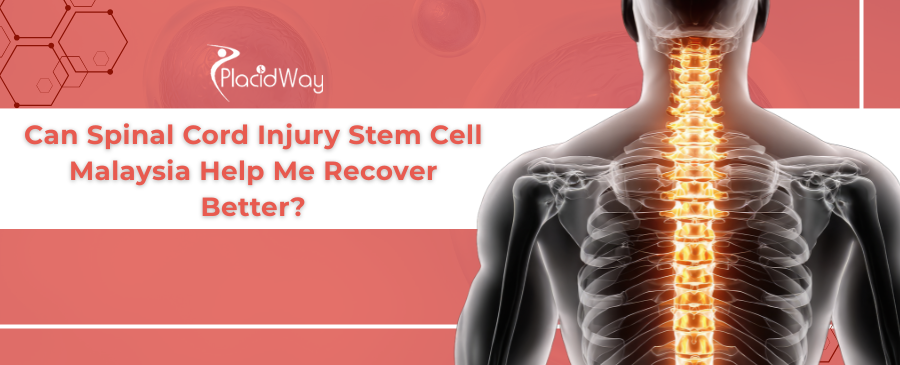
Stem cell therapy for spinal cord injury in Japan leverages government-regulated Autologous Mesenchymal Stem Cells (MSCs) to promote neurological repair. This innovative treatment is particularly effective in the sub-acute phase (two to six months post-injury), where clinical trials have shown that over 90% of treated patients experienced an improvement of at least one ASIA grade.
For decades, a spinal cord injury (SCI) often led to a challenging prognosis, marked by permanent paralysis and complex management needs. Traditional medicine offered limited options beyond stabilization and rehabilitation, with no conventional path to regenerate damaged central nervous system tissues.
However, a transformative shift in regenerative medicine has emerged, with Japan at the forefront of this revolution. Through robust government support and advanced cellular technology, Japan has become a global leader in providing life-changing treatments.
This comprehensive guide delves into Stem Cell Therapy for Spinal Cord Injury in Japan, detailing its biological mechanisms, regulatory framework, costs, and expected outcomes. It’s important to note that PlacidWay is a medical tourism facilitator, connecting patients with leading clinics, and not a direct healthcare provider.
We aim to empower patients, family members, and medical professionals with accurate, trustworthy information to navigate this advanced treatment pathway.
What are the Key Benefits of Stem Cell Therapy for SCI in Japan?
- Neuroprotection: MSCs secrete growth factors that protect existing nerve cells from further damage and death, preserving neurological function.
- Inflammation Reduction: The therapy modulates the immune response, significantly reducing chronic inflammation at the injury site to prevent secondary damage.
- Enhanced Nerve Repair: MSCs stimulate remyelination and angiogenesis, fostering the repair of nerve sheaths and restoring vital blood flow to damaged spinal tissues.
- Improved Functional Outcomes: Patients often experience significant gains in motor function, sensation, and autonomic control, particularly in the sub-acute phase.
- Regulated Safety: Japan’s strict government oversight and GCTP standards ensure that treatments are safe, ethical, and of the highest quality for international patients.
How Do Stem Cells Work to Repair Spinal Cord Injuries?
Stem cell therapy for spinal cord injuries in Japan primarily utilizes Autologous Mesenchymal Stem Cells (MSCs). These are multipotent cells typically harvested from the patient’s own bone marrow or adipose (fat) tissue.
This autologous approach eliminates the risks of immune rejection or allergic reactions, ensuring high safety. Once injected, MSCs exhibit a “homing effect,” actively migrating to the injury site in response to distress signals (chemokines) released by damaged tissues.
At the injury site, MSCs function as biological orchestrators, promoting healing through several critical mechanisms. They release a rich cocktail of healing proteins, including Brain-Derived Neurotrophic Factor (BDNF) and Nerve Growth Factor (NGF), which nourish and protect surviving neurons from further damage (paracrine signaling).
MSCs also calm the aggressive inflammatory response at the injury site, preventing further tissue destruction. Furthermore, they encourage the repair of the myelin sheath, crucial for electrical signal transmission, and stimulate the growth of new blood vessels (angiogenesis) to restore oxygen and nutrient flow to deprived spinal cord tissues.
What Clinical Evidence Supports Stem Cell Therapy for SCI in Japan?
Evidence & Outcomes: Clinical trials in Japan, leading to government approval, have shown significant improvements for patients, especially those treated in the sub-acute phase (2-6 months post-injury). Over 90% of sub-acute patients demonstrated at least one full grade improvement on the ASIA Impairment Scale, regaining motor function, sensation, and autonomic control. Chronic patients typically experience “micro-gains” such as reduced neuropathic pain and spasticity.
Risks & Contraindications: While autologous MSC therapy is generally safe, potential risks include minor infection at the harvesting site or temporary discomfort. Patients should seek immediate medical care if they experience severe pain, fever, or unusual neurological changes post-treatment. Outcomes vary significantly by individual and injury severity. It is crucial to consult a qualified physician to understand personal eligibility and realistic expectations, as this therapy is not a guaranteed cure and is not suitable for completely transected spinal cords, active cancers, or severe unmanaged infections.
Did You Know?
Did you know that Japan is home to some of the world’s most advanced medical facilities, where patients often save significant amounts on Stem Cell Therapy for Spinal Cord Injury while receiving care that meets or exceeds international hospital standards?
How Much Does Stem Cell Therapy for Spinal Cord Injury in Japan Cost?
Considering advanced regenerative medicine involves careful financial planning. Stem cell expansion is a highly specialized and technology-intensive process, making it a significant investment that is rarely covered by international health insurance policies.
The total cost of a comprehensive stem cell therapy package for spinal cord injury in Japan typically ranges from $15,000 to $45,000 USD. This price reflects Japan’s commitment to “Japan Quality,” encompassing state-of-the-art, government-audited facilities and exhaustive cell testing to ensure purity and safety.
Cost Breakdown
Major Savings
| Country |
Estimated Cost |
Average Savings |
| Japan |
$15,000 – $45,000 |
Starting Point Best Value |
| United States |
$150,000 – $300,000 |
~80% Savings |
| United Kingdom |
$120,000 – $250,000 |
~75% Savings |
| Canada / Australia |
$130,000 – $280,000 |
~77% Savings |
Essential Facts & Pro-Tips
1
Fast Fact: Japan’s cell processing centers adhere to stringent Good Gene, Cellular, and Tissue-based Products Manufacturing Practice (GCTP) standards, ensuring every cell batch is tested for genetic stability and purity.
2
Travel Tip: Patients pursuing substantial treatment are eligible for a specialized Japanese Medical Visa, which accommodates longer stays and includes caregivers, simplifying international travel logistics.
3
Recovery Tip: Post-treatment, intensive physical rehabilitation is crucial. Stem cells create the potential for new neural connections, but therapy provides the necessary mechanical stimulation to train these pathways for optimal functional recovery.
What is the Patient’s Journey for SCI Stem Cell Therapy in Japan?
The treatment protocol in Japan is highly standardized, typically involving three distinct phases over several weeks. This structured approach ensures patient safety, cell viability, and optimal therapeutic delivery.
Efficiency is a hallmark of the medical experience in this destination. The process minimizes downtime while ensuring every safety protocol is strictly followed.
Visit 1: Extraction & Harvesting (3-5 Days)
Minimally Invasive Outpatient Procedure
A small amount of bone marrow or fat tissue is extracted under local anesthesia. Patients typically return to their hotel the same day, marking the start of their regenerative journey.
The Wait: Laboratory Culturing (3-4 Weeks)
Cell Expansion in Certified Centers
The extracted cells are sent to a government-certified Cell Processing Center (CPC). Here, scientists culture and multiply the cells from a few thousand to an optimal therapeutic dose of 50 to 200 million robust stem cells. Patients often return home during this period.
Visit 2: Infusion & Administration (5-7 Days)
Therapeutic Delivery and Observation
After rigorous safety testing, the expanded stem cells are administered via intravenous (IV) drip, or sometimes intrathecally. Patients remain for brief clinical observation before returning home, often combining this visit with localized rehabilitation.
Frequently Asked Questions About Stem Cell Therapy for SCI in Japan
1. Is stem cell therapy a guaranteed cure for paralysis?+
No, stem cell therapy is not a guaranteed cure for paralysis. It is an advanced medical treatment designed to promote neurological repair, reduce inflammation, and maximize the body’s natural healing potential. While many patients experience significant improvements in sensation, motor function, or autonomic control, results vary highly depending on the severity of the injury, the time elapsed since the trauma, and individual biology. It should be viewed as a powerful tool to improve quality of life, not a magical instant fix.
2. How long does the cell culturing process take in Japan?+
After the initial bone marrow or fat extraction, it typically takes between 3 to 4 weeks for the laboratory to culture and expand the stem cells. The goal is to grow the sample from a few thousand cells to an optimal therapeutic dose of 50 million to 200 million robust cells. Patients often fly home during this waiting period or combine the wait with intensive localized rehabilitation.
3. Are the stem cells used in Japan safe and ethical?+
Absolutely. The therapies provided for international medical tourists primarily utilize Autologous Mesenchymal Stem Cells (MSCs). Because these cells are harvested from your own body, there are no ethical concerns associated with embryonic stem cells. Furthermore, using your own cells eliminates the risk of immune rejection or the transmission of foreign diseases.
4. Do I need to undergo surgery for the infusion?+
No major surgery is required. The initial extraction is a minimally invasive outpatient procedure performed under local anesthesia. The administration of the cultured cells is predominantly done via a standard intravenous (IV) drip, utilizing the cells’ natural homing ability to navigate to the injury site. Some clinics may offer intrathecal injections (a lumbar puncture), but neither method requires open spinal surgery.
5. Does my medical insurance cover stem cell therapy in Japan?+
For international patients, health insurance (including US Medicare and private carriers) almost never covers stem cell treatments abroad. Because these therapies are not yet fully FDA-approved for SCI in the United States or equivalent bodies in Europe, insurance providers consider them experimental. Patients should plan to pay for the therapy, travel, and accommodation out-of-pocket.
6. What happens if I have had a spinal cord injury for over 5 years?+
Patients with injuries older than one year are in the chronic phase. While you may still be eligible for treatment in Japan, the expected outcomes are different. Extensive motor recovery is rare due to established scar tissue. However, chronic patients often pursue the therapy to achieve relief from neuropathic pain, reduce severe spasticity, and potentially regain some autonomic functions like bladder awareness or temperature control.
7. How is Japan different from stem cell clinics in other countries?+
Japan’s primary differentiator is strict, transparent government regulation. Under the PMD Act and regenerative medicine safety laws, clinics cannot operate without rigorous, continuous oversight. Laboratory facilities must meet the highest global standards for cellular processing, ensuring pure, safe, and genetically stable cell expansion. Many other countries lack this level of legal framework, leading to varying and sometimes unsafe treatment qualities.
8. Do I need to participate in physical therapy after the treatment?+
Yes, intensive physical rehabilitation is strongly recommended and is considered a critical component of the recovery protocol. Stem cells create the biological potential for new neural connections, but physical therapy provides the necessary mechanical stimulation to train those new neural pathways. Therapy and rehabilitation act synergistically to maximize the functional recovery gained from the stem cells.
Ready to Take the Next Step Towards Recovery?
Choosing the right destination for your medical care is significant. By opting for treatment abroad, you are not just saving on costs—you are gaining access to specialized clinicians and world-class care.
Get Your Free Quote Now
Medical Disclaimer: This article is provided for informational and educational purposes only. It is not intended as medical advice, diagnosis, or treatment for any health condition. PlacidWay acts as a medical tourism facilitator, connecting patients with healthcare providers, and does not directly provide medical services. Individual results from stem cell therapy can vary greatly depending on the patient’s condition, severity of injury, and response to treatment. Outcomes are not guaranteed. Always consult with a qualified healthcare professional before making any decisions about your medical care, especially regarding complex treatments like stem cell therapy. If you experience severe or worsening symptoms, please seek immediate professional medical attention.