What Should You Know About Immune Cell & Stem Cell Therapy in Japan?

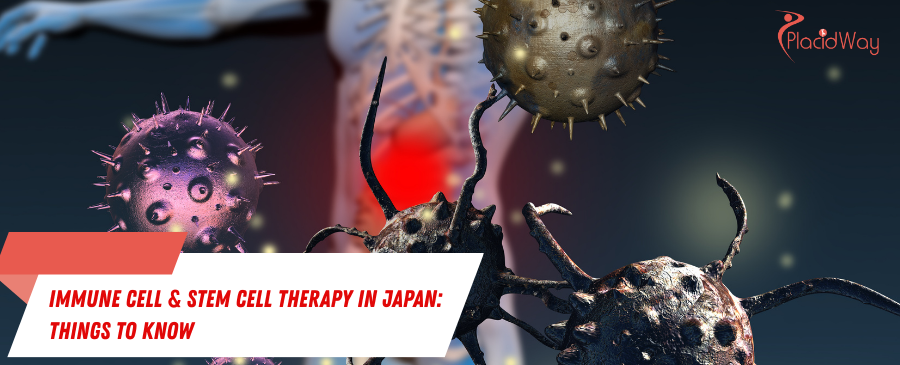
Immune Cell & Stem Cell Therapy in Japan: Things to Know

Immune Cell & Stem Cell Therapy in Japan: Things to Know

Japan stands as the premier destination for regulated regenerative medicine and immunotherapy worldwide. The Ministry of Health, Labour and Welfare (MHLW) ensures strict oversight. This makes Japan a “Grade A” choice for safety, offering high cell viability and robust legal protections for international patients. While costs range from $10,000 to $50,000, the superior regulatory framework provides unmatched patient security compared to other global hubs.

Japan has rapidly become a global leader in regenerative medicine and advanced immunotherapies. Its commitment to patient safety and rigorous regulatory standards sets it apart. The country’s legal framework, specifically the Act on the Safety of Regenerative Medicine (ASRM), provides unparalleled oversight. This ensures that treatments offered meet stringent safety and efficacy benchmarks. For international patients seeking high-quality care, understanding the intricacies of Immune Cell & Stem Cell Therapy in Japan: Things to Know is crucial. This guide provides a comprehensive overview of what to expect, from procedures and benefits to costs and essential travel considerations. It aims to empower patients with the knowledge needed to make informed healthcare decisions. Japan offers an environment of trust and medical excellence. This makes it an attractive choice for complex and innovative treatments.

Why Choose Japan for Immune & Stem Cell Therapies?

  • Unrivaled Safety Standards: Japan is one of the only nations with government-regulated stem cell and immune therapies, ensuring Grade A clinical quality. All protocols require Ministry of Health (MHLW) approval.
  • Advanced Cell Culture Technology: Japanese clinics excel in multiplying Natural Killer (NK) cells to high cytotoxicity levels. This enhances immune boosting and preventative oncology outcomes.
  • Diverse Therapeutic Applications: Options span NK Cell Therapy for cancer defense and immune strengthening, to autologous stem cell treatments for joint repair and anti-aging.
  • Cost-Effectiveness Compared to Western Nations: While a premium option globally, Japan offers significant savings over US stem cell therapy costs. Its value is recognized despite higher prices than Mexico or Turkey.
  • Early Access to Innovative Therapies: Japan’s conditional approval process allows access to regenerative products still in Phase 3 trials elsewhere. This provides patients with cutting-edge medical advancements.

Immune Cell & Stem Cell Therapies: Understanding the Science

Immune cell therapy, particularly Natural Killer (NK) cell therapy, involves enhancing the body’s natural defense system to target and eliminate abnormal cells. Stem cell therapy utilizes the body’s own regenerative cells to repair, replace, or restore damaged tissues and organs. Both represent advanced frontiers in personalized medicine.

In Japan, NK Cell Therapy involves drawing a small blood sample from the patient, typically 50-60ml. These Natural Killer cells are then isolated and cultured in specialized Cell Processing Centers (CPCs) over approximately 14 days. During this period, their count can increase by 1,000 to 5,000 times. Once activated and expanded, these potent cells are re-infused into the patient via a simple intravenous (IV) drip, usually taking 45-60 minutes. This process significantly boosts the patient’s immune response. For stem cell therapies, the most common types include Adipose-Derived Mesenchymal Stem Cells (MSCs) from fat tissue, used for joint repair, anti-aging, and skin rejuvenation. Bone Marrow MSCs are sourced from hip bone marrow, targeting spinal injuries and other orthopedic conditions. Induced Pluripotent Stem (iPS) cells are in strict clinical trials for diseases like retinal degeneration and Parkinson’s. Umbilical Cord MSCs, from donated tissue, are strictly regulated and explored for systemic autoimmune conditions. Japan’s stringent regulations ensure each step is performed with the highest precision and safety.

Evidence and Outcomes: Are These Therapies Right for You?

Evidence & Outcomes: Japan’s stringent regulatory framework, including the 2014 Act on the Safety of Regenerative Medicine (ASRM), ensures a high standard of clinical practice. This framework classifies treatments by risk, requiring Ministry of Health (MHLW) approval for every clinic protocol. This rigorous oversight promotes treatments with documented safety and efficacy, leading to reliable outcomes for patients. Japanese clinics are particularly recognized for their “culture technology,” which allows for the expansion and activation of immune cells like NK cells to remarkably high cytotoxicity levels. This makes Japan a top choice for preventative oncology and immune system strengthening. Many patients report enhanced immunity, reduced risk of recurrence in cancer survivors, and significant improvements in conditions like joint degeneration and skin rejuvenation. The controlled environment and precise protocols contribute to predictable and positive results, setting a global benchmark for regenerative medicine applications.

Risks & Contraindications: While immune cell and stem cell therapies in Japan are highly regulated, all medical procedures carry potential risks. These can include mild, temporary side effects like fever, fatigue, or discomfort at the injection site. More serious, though rare, risks might involve infection at the harvest or infusion site, or unexpected immune reactions. Patients with active infections, certain autoimmune diseases, or specific types of cancer may be contraindicated for certain therapies. It is crucial to have a thorough medical screening and consult with a qualified healthcare professional to discuss your full medical history. Individual results can vary significantly based on patient health, disease severity, and the specific therapy. Always follow post-treatment care instructions diligently and report any unusual symptoms immediately. No therapy offers a “guarantee” or “cure,” and careful consideration of all factors is essential.

Did You Know?

Did you know that Japan is home to some of the world’s most advanced medical facilities, where patients often save significant amounts on Immune Cell & Stem Cell Therapy while receiving care that meets or exceeds international hospital standards?

Cost Comparison: Is Japan a Value-Driven Choice for International Patients?

Japan, while offering premium medical care, presents a cost-effective alternative to Western countries for advanced cell therapies. The country’s strict regulations and high-tech processing justify its pricing. However, these costs are often significantly lower than those found in the United States or Canada. Patients seeking high-quality, regulated treatments can achieve considerable savings while accessing world-class medical facilities. It is vital to compare “apples to apples” when evaluating costs, considering cell count, source, and facility accreditation. Japan prioritizes patient safety and efficacy above all, ensuring genuine value for your investment in health. This contrasts with less regulated, cheaper options where quality can be inconsistent.

Cost Breakdown (USD)

Major Savings

Country Estimated Cost (Range) Average Savings vs. US (Approx.)
Japan (Tokyo/Osaka) $10,000 – $50,000 Starting Point Best Value
United States $40,000 – $120,000 0% (Base for comparison)
United Kingdom $35,000 – $95,000 20-30% Savings
Canada / Australia $30,000 – $85,000 25-40% Savings

Essential Facts & Pro-Tips for Your Medical Journey to Japan

1
Fast Fact: Japan’s Ministry of Health, Labour and Welfare (MHLW) provides a unique “Notification Number” for every legitimate clinic. Always ask for this 8-digit code to verify their strict safety reviews and facility hygiene standards.
2
Travel Tip: For culture-expanded cell treatments, Japan typically requires a two-visit protocol. Plan for an initial visit for cell harvesting, followed by a 2-4 week gap for processing (during which you can return home), and a second visit for cell re-infusion.
3
Recovery Tip: Consider visiting Japan during spring (March-May) or autumn (October-November). These seasons offer mild, pleasant weather conducive to a comfortable and stress-free medical recovery. Avoid the intensely hot summers and cold winters if possible.

Your Treatment Journey: What to Expect During Your Stay in Japan?

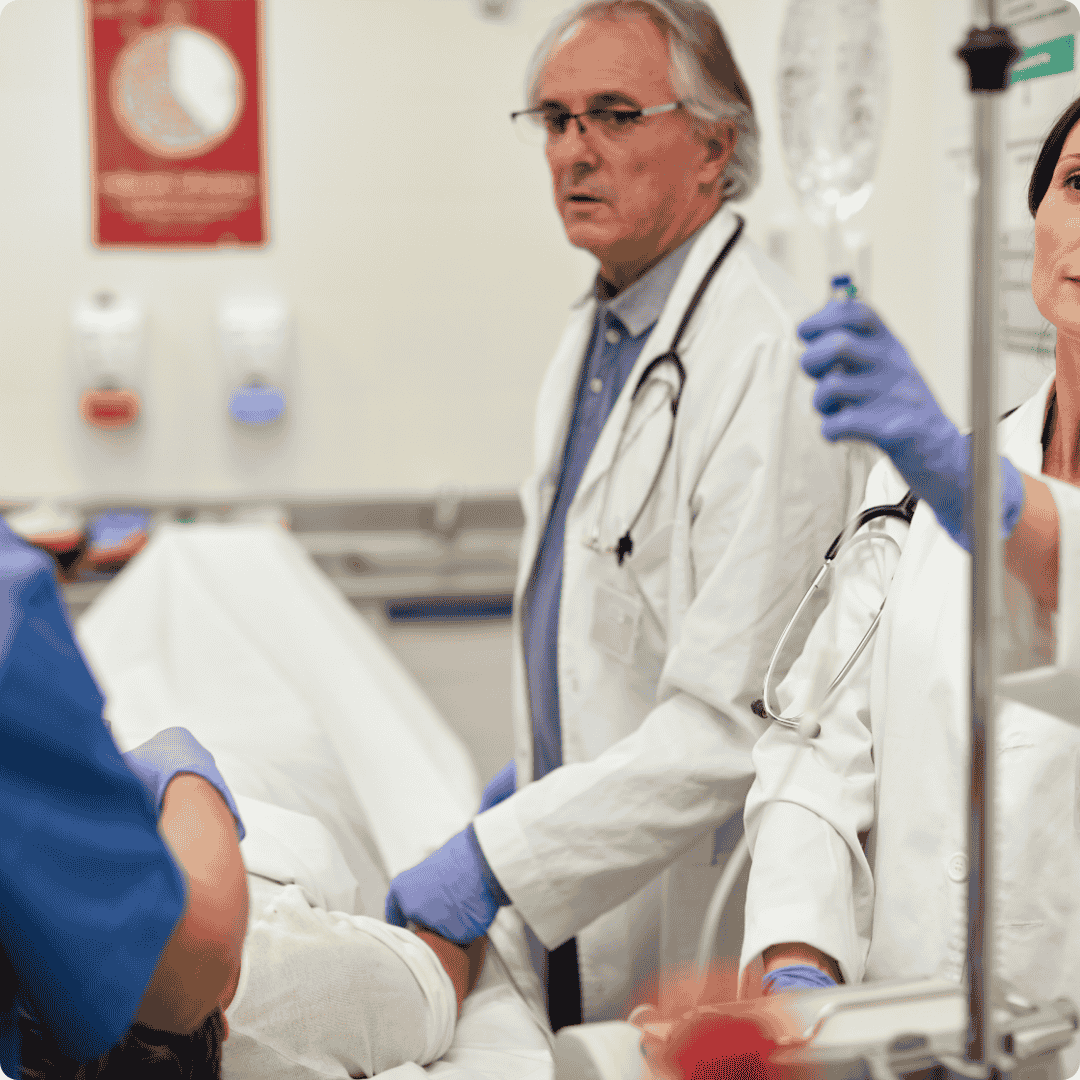
Navigating medical treatment abroad can seem complex, but Japan’s organized approach simplifies the process. The treatment journey is designed for patient comfort and optimal clinical outcomes. It often incorporates a two-visit protocol when cell culturing is required. This ensures maximum potency and efficacy. Throughout the process, adherence to strict safety protocols is paramount, reflecting Japan’s dedication to high-quality patient care. Patients benefit from transparent communication and a clear understanding of each stage of their therapy.

Initial Visit (Day 01)
Consultation & Cell Harvesting
Your journey begins with an in-depth medical consultation. Doctors assess your health history and determine suitability for therapy. If culture-expanded cells are needed, blood or tissue (e.g., fat) is harvested. This sample is crucial for preparing your personalized treatment.
Interim Period (2-4 Weeks)
Cell Culture & Expansion in Lab
Following harvest, your cells are transported to a specialized Cell Processing Center. Here, they undergo a sophisticated culturing process. This multiplies the cell count significantly, ensuring maximum therapeutic effect upon re-infusion. Patients can often return home during this period.
Second Visit (Day 04 — 05)
Cell Re-Infusion & Follow-Up
You will return for the re-infusion of your expanded cells, typically via an IV drip or direct injection. This procedure is generally quick and comfortable. Post-treatment, a follow-up consultation ensures your recovery is progressing well. You will receive detailed aftercare instructions.

Frequently Asked Questions About Japanese Cell Therapies

1. Do I need a special Medical Visa for stem cell therapy in Japan?+

Yes, if your treatment involves a stay exceeding 90 days or requires multiple visits over an extended period, you should apply for a “Visa for Medical Stay.” This specific visa facilitates multiple entries and allows a caregiver to accompany you. For shorter stays, typically under 90 days, for initial consultations or less complex procedures, many nationalities can enter Japan on a standard tourist visa. However, it is always advisable to carry an official appointment letter from your clinic to clarify your purpose of visit to immigration authorities.

2. How do I verify if a Japanese clinic offering cell therapies is legitimate?+

Every clinic legally offering cell therapies in Japan must be officially registered with the Ministry of Health, Labour and Welfare (MHLW). This registration ensures they adhere to strict national safety guidelines. You should proactively request the clinic’s MHLW Notification Number. This is typically an 8-digit code. This number serves as concrete proof that the facility has undergone rigorous safety reviews concerning their cell processing protocols and overall hygiene standards. Verifying this credential offers peace of mind regarding the clinic’s legitimacy and commitment to patient safety.

3. Will language be a barrier during treatment, and do I need an interpreter?+

While many top regenerative medicine clinics in major cities like Tokyo and Osaka are well-equipped to cater to international patients, often featuring English-speaking administrative staff and some medical personnel, language can still pose a challenge at smaller facilities or for nuanced discussions. Basic medical translation might be included in premium treatment packages. However, for complex medical consultations and detailed discussions about your care plan, engaging a professional medical interpreter is highly recommended. These services can cost between ¥50,000 to ¥100,000 per day, but ensure accurate and comprehensive communication.

4. How does payment work for international patients seeking treatment in Japan?+

International patients seeking elective procedures like immune cell and stem cell therapy in Japan are generally not covered by Japanese National Health Insurance. This means you will be responsible for 100% of the costs out-of-pocket. Most reputable clinics accept major credit cards such as Visa and Mastercard, as well as international wire transfers for payment. For more extensive or multi-stage treatment packages, clinics often require a significant portion, if not the full amount, to be paid in advance via wire transfer. This secures your treatment slot and covers the costs associated with initial cell culturing and preparation.

5. What is the best time to visit Japan for medical recovery after treatment?+

For optimal comfort during your medical visit and recovery in Japan, the spring months (March-May) and autumn months (October-November) are highly recommended. During these periods, the weather is mild and pleasant, which can significantly aid in a comfortable healing process and reduce any travel-related stress. Summers in Japan can be intensely hot and humid, potentially causing discomfort for patients, especially those recovering from certain procedures. Conversely, winters, particularly in major cities like Tokyo, can be quite cold, which might be particularly uncomfortable for individuals with joint conditions or those sensitive to cold temperatures.

6. How long does the immune and stem cell treatment process typically take in Japan?+

Unlike many countries that offer “same-day” or single-visit cell treatments, high-quality immune and stem cell therapies in Japan often involve cultured cells. This approach ensures maximum potency and efficacy. Consequently, the process typically requires a “two-visit protocol.” Your initial visit is for consultation and cell harvesting. This is followed by a 2-4 week gap, during which your cells are processed and cultured in a specialized laboratory. You then return for a second visit for the final re-infusion of the activated cells. This multi-stage approach is key to Japan’s superior treatment quality.

7. Who is an ideal candidate for immune cell and stem cell therapy in Japan?+

Ideal candidates for immune cell therapy, especially NK cell therapy, include cancer survivors looking to prevent recurrence or individuals seeking to boost their overall immune system and for anti-aging benefits. For stem cell therapy, candidates often suffer from orthopedic conditions like joint degeneration, spinal injuries, or seek anti-aging and regenerative skin rejuvenation. Patients with chronic fatigue syndrome or high susceptibility to infections may also benefit. A comprehensive medical evaluation by a Japanese specialist is always necessary to determine individual suitability and the most appropriate treatment plan.

8. What post-treatment support and follow-up care can I expect in Japan?+

Japanese clinics offering cell therapies typically provide detailed post-treatment instructions. These cover medication, activity restrictions, and potential symptoms. Many clinics also offer remote follow-up consultations. This allows for ongoing monitoring of your progress even after you return home. Comprehensive high-end packages frequently include basic medical translation and coordination services. This ensures a smooth aftercare experience. Maintaining communication with your clinic is crucial for optimal long-term outcomes and addressing any concerns that may arise.

Ready to Take the Next Step Towards Recovery?

Choosing the right destination for your medical care is significant. By opting for treatment abroad, you are not just saving on costs—you are gaining access to specialized clinicians and world-class care.

Get Your Free Quote Now

Related Resources for Your Medical Journey

Medical Disclaimer: This article is for informational and educational purposes only and does not constitute medical advice, diagnosis, or treatment recommendations. The information provided is thoroughly researched but should not replace a consultation with a qualified healthcare professional. No guaranteed outcomes are promised. Always seek the advice of your physician or other qualified health provider with any questions you may have regarding a medical condition.

Picture of About Author: Hina Munawar

About Author: Hina Munawar

As the Editor of Global Stem Cell Therapy, I provide trusted, research-based information on stem cell treatments worldwide. With over a decade of experience in medical tourism, I guide patients toward safe, effective, and affordable therapies.

Related Articles

Comprehensive guide for French patients seeking total knee arthroplasty with stem cell treatment in Greece. Learn about benefits, EU standards, costs, recovery, and travel logistics.
Discover the ultimate guide to Stem Cell Therapy for Heart Failure in Japan. Explore costs ($15k–$45k), unique regulatory safety, top clinics in Tokyo & Osaka, and advanced procedures like HeartSheet, compared to global options.
Explore comprehensive details on Stem Cell Therapy for Cerebral Palsy in Japan. Discover 2025 costs ($20k-$40k), safety regulations (PMD Act), success rates (60-70% improvement), and how Japan compares to Turkey and Mexico for medical tourism.
GSC Logo X
send