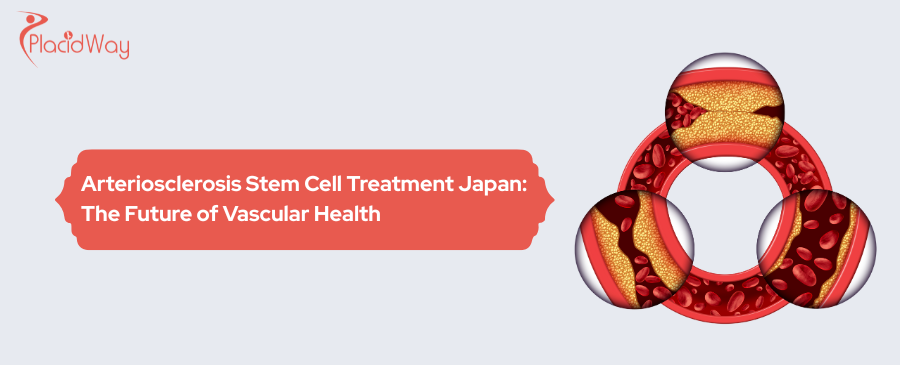
Stem cell therapy for arteriosclerosis in Japan is a regenerative treatment using a patient’s own mesenchymal stem cells to repair damaged blood vessel walls. Japan’s “Act on the Safety of Regenerative Medicine” makes it a global leader in highly regulated and safe stem cell therapies, often with certified cell viability exceeding 90%.
Arteriosclerosis, the hardening and narrowing of arteries, severely impacts cardiovascular health, leading to conditions like heart attack and stroke. Traditional treatments primarily manage symptoms, but they often do not address the underlying cellular damage. This limitation has driven innovation in regenerative medicine, with Japan emerging as a frontrunner.
In this comprehensive guide, we delve into Arteriosclerosis Stem Cell Treatment Japan: The Future of Vascular Health. We will explore how this advanced therapy utilizes a patient’s own cells to promote vascular repair, reduce inflammation, and improve blood flow. We’ll also examine the stringent regulatory framework in Japan, treatment protocols, cost considerations, and what prospective patients should know before embarking on this journey toward renewed vascular health. This article aims to provide a clear, empathetic, and authoritative resource for those considering innovative treatment options.
What are the Core Benefits of Stem Cell Therapy for Vascular Health?
- Enhanced Vascular Repair: Mesenchymal Stem Cells (MSCs) work to repair the damaged endothelial lining of artery walls, which is crucial for reversing the progression of arteriosclerosis.
- Reduced Inflammation: The therapy helps to significantly reduce the arterial plaque inflammation, a primary driver of artery hardening and subsequent cardiovascular events.
- Improved Blood Flow: By repairing vessels and stimulating angiogenesis, stem cells facilitate the formation of new collateral blood vessels, improving circulation to vital organs and tissues.
- Minimized Immune Rejection: Using autologous (patient’s own) stem cells virtually eliminates the risk of immune rejection, making the treatment safer and highly personalized.
- High Safety Standards: Japan’s “Act on the Safety of Regenerative Medicine” ensures strict government oversight, certified Cell Processing Centers (CPCs), and high cell viability, setting a global benchmark for patient safety.
Understanding Arteriosclerosis Stem Cell Therapy: How Does It Work?
Arteriosclerosis stem cell therapy is a cutting-edge regenerative approach that harnesses the body’s own healing capabilities. It specifically utilizes autologous adipose-derived mesenchymal stem cells (ADSCs) to actively combat the cellular damage underlying artery hardening and thickening. This method aims to offer a more profound and sustained improvement than traditional symptomatic treatments.
The process begins with a minor surgical procedure called liposuction. A small amount of fat tissue, typically around 20ml, is gently harvested from the patient’s abdomen or thigh under local anesthesia. These fat cells are then transported to a specialized, sterile Cell Processing Center (CPC). Here, highly skilled technicians meticulously isolate the mesenchymal stem cells (MSCs) and expand them through a careful culturing process over approximately four weeks. This expansion increases their numbers significantly, often into the hundreds of millions.
Once the optimal cell count and viability are achieved, these potent cells are prepared for reintroduction into the patient’s body. The infusion is typically performed intravenously, via a simple IV drip over 60-90 minutes, requiring no further surgery. The MSCs exhibit a natural “homing” ability, migrating to areas of vascular damage. There, they release vital growth factors, such as Vascular Endothelial Growth Factor (VEGF), which are instrumental in promoting vascular endothelial repair and stimulating angiogenesis, the formation of new, healthy blood vessels. This comprehensive approach works to regenerate the endothelial lining and reduce arterial plaque inflammation, leading to improved blood flow and healthier arteries.
Is Stem Cell Therapy for Arteriosclerosis Safe and Effective?
Evidence & Outcomes: Clinical studies and patient reports suggest promising outcomes for arteriosclerosis stem cell therapy. While individual results can vary, an estimated 60-70% of patients experience noticeable subjective improvements in their symptoms. These often include reduced angina (chest pain) and an increased walking distance, indicating better peripheral blood flow. Objective improvements are also observed in inflammatory markers, which play a critical role in the progression of arteriosclerosis. Japan’s stringent regulatory environment, governed by the “Act on the Safety of Regenerative Medicine,” mandates high cell viability, often exceeding 95%. This ensures that the injected cells are potent and active, maximizing the potential for therapeutic benefits. Japan’s proactive approach to regenerative medicine approval, prioritizing safety and probable benefit, reinforces its position as a global leader in accessible, legal, and highly scrutinized stem cell therapies.
Risks & Contraindications: While stem cell therapy for arteriosclerosis using autologous cells is generally considered safe, it is important to acknowledge potential risks and contraindications. Common minor side effects may include temporary fever or slight bleeding and bruising at the fat harvesting site. Rare allergic reactions to the preservation medium can also occur. Crucially, because the treatment uses the patient’s own cells, there is virtually zero risk of immune rejection, a significant advantage over allogeneic (donor) cell therapies. However, general medical risks associated with any procedure, such as infection, are minimized by Japan’s strict sterile processing standards in certified Cell Processing Centers. While embolism risk is extremely rare with proper intravenous techniques, clinics carefully filter cells to prevent clumping. It is important to emphasize that results can vary significantly based on patient age, the severity of the disease, and overall health; regeneration is not universally guaranteed. Patients with active malignancy, severe uncontrolled infections, or who are pregnant are generally considered unsuitable candidates due to potential risks. Always consult with a qualified healthcare professional to thoroughly evaluate individual health status and determine treatment eligibility.
Did you know that Japan, under its ‘Act on the Safety of Regenerative Medicine,’ is home to some of the world’s most advanced medical facilities, where patients often access pioneering stem cell therapies with unparalleled regulatory oversight and quality standards?
How Does the Cost of Arteriosclerosis Stem Cell Treatment in Japan Compare?
Considering stem cell therapy for arteriosclerosis is a significant decision, and understanding the financial aspect is crucial. While Japan is recognized as a premium destination for its unparalleled regulatory oversight and advanced medical technology, the overall investment often reflects superior quality and safety standards compared to other global options. The cost can vary based on the specific cell count required and the number of administration sessions, ensuring a personalized approach to your vascular health.
Essential Facts & Pro-Tips
Your Step-by-Step Pathway to Arteriosclerosis Stem Cell Treatment in Japan
Embarking on a medical journey abroad can feel daunting, but the process for arteriosclerosis stem cell treatment in Japan is meticulously structured. It is designed to ensure maximum efficacy and patient comfort. This multi-stage approach emphasizes precision and patient safety, minimizing downtime while upholding stringent safety protocols.