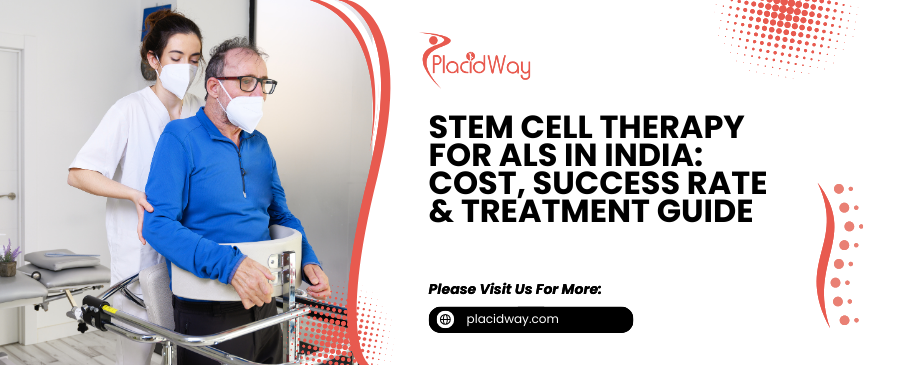
Stem cell therapy for ALS in India may help manage symptoms and potentially slow disease progression by protecting motor neurons and reducing neuroinflammation. While it is not a cure for Amyotrophic Lateral Sclerosis many patients experience temporary improvements in muscle function and quality of life depending on their specific diagnosis.
Patients exploring options for neurodegenerative diseases often research stem cell therapy treatments abroad to access advanced regenerative protocols and manage severe symptoms. Traveling for medical care requires careful consideration of hospital credentials local health regulations and the overall costs associated with complex procedures. By evaluating accredited Stem Cell Therapy Centers in India you can find experienced neurological teams offering comprehensive care plans customized to your unique medical needs.
Quick Summary
- Estimated cost in USD ranges from seven thousand to fifteen thousand dollars depending on the specific protocol.
- Ideal candidates are patients in the early to middle stages of Amyotrophic Lateral Sclerosis seeking symptom management.
- Treatment typically involves intravenous or intrathecal administration of mesenchymal stem cells over several weeks.
- Safety oversight relies on choosing clinics accredited by the National Accreditation Board for Hospitals and Healthcare Providers.
- Patients primarily choose India for the combination of affordable care and highly experienced neurological specialists.
- It is important to remember that this treatment aims to improve quality of life and is not a permanent cure.
Understanding Stem Cell Therapy for ALS in India
Amyotrophic Lateral Sclerosis is a progressive neurological condition that deeply affects patients and their families worldwide. When seeking specialized care many international patients explore stem cell therapy for ALS in India to access advanced medical facilities. This guide provides comprehensive information to help you understand the clinical process and make informed healthcare decisions.
Before traveling for medical care it is essential to evaluate the reasons why this destination stands out for regenerative treatments. Patients choose Indian medical centers based on several critical factors that blend affordability with specialized medical expertise.
- Access to highly specialized neurologists trained in regenerative medicine
- Significantly lower treatment costs compared to North American healthcare systems
- Availability of modern clinical facilities complying with national guidelines
- English speaking medical professionals ensuring seamless communication
- Comprehensive care programs that combine cellular therapy with intensive neuro-rehabilitation
How Stem Cells Target Amyotrophic Lateral Sclerosis
The primary goal of cellular therapy for neurodegenerative diseases is to alter the hostile environment surrounding deteriorating motor neurons. Stem cells release neurotrophic factors that can potentially shield existing neurons from further damage. This neuroprotective mechanism is central to ongoing clinical protocols targeting Amyotrophic Lateral Sclerosis.
In addition to neuroprotection these cells possess strong immunomodulatory properties that help calm the severe neuroinflammation typical of the disease. By reducing the toxic inflammatory response in the spinal cord and brain stem cellular therapies may help slow down the rapid progression of muscle weakness.
Types of Stem Cells Used for ALS Treatment
Clinics offering stem cell therapy for ALS in India predominantly utilize mesenchymal stem cells due to their established safety profile and powerful anti-inflammatory effects. These versatile cells can be harvested from various ethical sources depending on the specific medical protocol recommended by your neurologist.
Your medical team will carefully evaluate your overall health to determine the most appropriate cellular source for your treatment. The choice of stem cells plays a vital role in the overall safety and efficacy of the neuroprotective therapy.
| Stem Cell Type | Common Source Tissue | Clinical Advantage for ALS |
|---|---|---|
| Autologous Mesenchymal Cells | Patients own bone marrow or adipose fat | Zero risk of immune rejection by the body |
| Allogeneic Umbilical Cord Cells | Donated human umbilical cord tissue | High vitality and strong immunomodulatory capacity |
| Hematopoietic Stem Cells | Peripheral blood or bone marrow | Used primarily for intense immune system resetting protocols |
Patient Demographics and International Travel Trends
Medical value travel for neurological conditions continues to grow as patients seek alternative management strategies for progressive diseases. Recent demographic data highlights specific age groups and global regions that frequently access healthcare in South Asia. Understanding these trends helps contextualize the global demand for advanced cellular therapies.
The following chart illustrates the age distribution of patients typically diagnosed with Amyotrophic Lateral Sclerosis who pursue regenerative medicine abroad. This reflects documented clinical registry data from 2024 showing peak onset occurring between fifty and seventy years of age.
Source: National Centers for Disease Informatics and Research ALS Registry Report 2024.
Patients traveling from Africa the Middle East and neighboring South Asian countries make up a significant portion of medical value travel to this destination. The combination of geographic proximity and advanced clinical infrastructure drives this consistent cross border healthcare movement.
Source: Ministry of Tourism Medical Value Travel Indicator Report 2024.
Who is an Ideal Candidate for Stem Cell Therapy
Not every patient diagnosed with motor neuron disease is a suitable candidate for cellular treatments. Neurologists thoroughly screen international applicants to ensure the procedure is safe and has a reasonable chance of providing symptomatic relief.
Your medical team will request recent electromyography results imaging scans and detailed clinical histories to evaluate your progression rate. Early intervention generally yields better outcomes regarding symptom stabilization compared to treatments administered in the final stages of the disease.
Expected Treatment Timeline and Process in India
Planning your medical journey requires understanding the step by step process involved in receiving stem cell therapy for ALS in India. The standard protocol requires patients to stay in the destination country for approximately three to four weeks to complete all necessary medical steps.
This extended stay ensures that doctors can properly administer multiple cellular infusions and monitor the patient for any immediate adverse reactions. The timeline combines clinical interventions with vital neuro-rehabilitation sessions designed to maximize the therapeutic potential.
| Treatment Phase | Duration | Clinical Activities Involved |
|---|---|---|
| Initial Evaluation | Days 1 to 3 | Neurological exams blood tests and MRI scans |
| Cellular Preparation | Days 4 to 6 | Harvesting autologous cells or preparing allogeneic samples |
| Infusion Protocol | Days 7 to 14 | Intrathecal or intravenous stem cell administration |
| Rehabilitation Phase | Days 15 to 21 | Physical therapy occupational therapy and clinical observation |
Biological Mechanisms of Action Explained
Understanding how stem cells operate within the human body can help set realistic clinical expectations. When injected into the cerebrospinal fluid these cells migrate toward areas of heavy tissue damage and inflammation within the spinal cord.
Once they reach the damaged motor neurons they release exosomes and growth factors that facilitate cellular repair. This biological cascade is highly complex and research is continuously evolving to better optimize the delivery and survival of these specialized cells.
Click to read about neurotrophic factors
Neurotrophic factors are specific proteins secreted by stem cells that promote the survival development and function of existing neurons. In the context of neurodegeneration these proteins act as vital protective shields against cellular toxicity.
Cost of Stem Cell Therapy for ALS in India
Financial transparency is critical for families managing the immense economic burden of progressive neurological disorders. The cost of stem cell therapy for ALS in India generally falls between seven thousand and fifteen thousand dollars for a comprehensive package.
This wide price range accounts for differences in the number of cell infusions required hospital room categories and the length of specialized rehabilitation included. Always request a clearly itemized medical quote before making any financial commitments or travel arrangements.
| Procedure Component | Estimated Cost in USD |
|---|---|
| Pre Treatment Diagnostics | $500 to $1,000 |
| Stem Cell Harvesting and Laboratory Processing | $4,000 to $8,000 |
| Cellular Infusions and Medical Fees | $1,500 to $3,500 |
| Hospital Stay and Intensive Rehabilitation | $1,000 to $2,500 |
Global Cost Comparison for ALS Stem Cell Treatments
Comparing international prices highlights why medical value travel remains a popular choice for self paying patients. Healthcare systems in North America and Western Europe often lack insurance coverage for experimental cellular therapies making out of pocket expenses prohibitively high.
South Asian medical centers maintain lower operational costs and distinct domestic pharmaceutical manufacturing advantages. This allows highly accredited facilities to offer advanced regenerative medicine protocols at a fraction of the global average price without compromising medical safety standards.
| Destination Country | Estimated Minimum Cost USD | Estimated Maximum Cost USD |
|---|---|---|
| India | $7,000 | $15,000 |
| United States | $25,000 | $40,000 |
| European Union | $20,000 | $35,000 |
| Mexico | $12,000 | $18,000 |
How to Choose the Right Stem Cell Hospital in India
Selecting an appropriate clinical facility is the most important decision in your medical tourism journey. The best outcomes are associated with dedicated neurological hospitals that feature integrated regenerative medicine departments and specialized intensive care units.
Patients should actively avoid stand alone clinics that lack emergency medical infrastructure or hospital grade sterilization protocols. Thoroughly investigate the facilities infrastructure focusing heavily on verifiable quality markers and national accreditations before arriving in the destination country.
- Look for accreditation from the National Accreditation Board for Hospitals and Healthcare Providers.
- Verify that the facility has an in house Good Manufacturing Practice certified cellular laboratory.
- Ensure the hospital employs multidisciplinary teams including neurologists pulmonologists and physical therapists.
- Confirm immediate access to specialized respiratory support equipment and emergency intensive care units.
Verifying Doctor Credentials and Medical Licenses
Your primary consulting physician should be a board certified neurologist with verifiable experience in administering cellular therapies. Medical expertise is essential for properly diagnosing the stage of the disease and administering the treatment safely via intrathecal or intravenous injection.
Do not hesitate to request the doctors medical registration number provided by the National Medical Commission. Legitimate healthcare providers welcome credential verification and transparently share their clinical experience and specialized academic training records with international patients.
Important Government Guidelines on Stem Cell Use in India
The regulatory landscape for regenerative medicine is governed by strict national scientific authorities to ensure patient safety. The Indian Council of Medical Research alongside the Central Drugs Standard Control Organization publishes specific national guidelines for stem cell research and cellular therapy.
These organizations classify the use of stem cells for most neurodegenerative diseases as experimental requiring ethical committee approval for compassionate use. Reputable hospitals strictly adhere to these national guidelines to provide standardized and ethically sound medical interventions.
Click to read about ethical committee approvals
Institutional Ethics Committees mandate that hospitals provide detailed informed consent documents clearly explaining the experimental nature of the treatment before any cellular procedure begins to ensure complete patient transparency.
Potential Risks and Safety Protocols for ALS Patients
Every medical procedure carries inherent risks especially for patients managing complex progressive disorders. While mesenchymal stem cell infusions are generally well tolerated possible side effects can include transient fevers mild headaches or localized pain at the injection site.
Severe complications are rare but can involve cerebrospinal fluid leaks or infections if the procedure is not performed in a strictly controlled clinical environment. High quality hospitals mitigate these risks by strictly utilizing sterile operating theaters and closely monitoring patients post treatment.
| Potential Risk Factor | Clinical Prevention Strategy |
|---|---|
| Injection Site Infection | Strict adherence to sterile operating room protocols and sterilization |
| Post Lumbar Puncture Headache | Proper hydration and strict bed rest following the intrathecal injection |
| Immune System Reaction | Comprehensive pre treatment blood screening and patient monitoring |
Realistic Recovery Expectations and Symptom Management
Managing clinical expectations is a crucial aspect of psychological well being during your treatment journey. It is vital to understand that stem cell therapy for ALS in India is designed to help manage symptoms and potentially slow disease progression rather than provide a permanent cure.
Some patients report temporary improvements in muscle spasticity swallowing ability and overall energy levels following cellular administration. However individual biological responses vary widely and not every patient will experience measurable or long lasting clinical improvements.
Post Treatment Care and Neurological Rehabilitation
The cellular infusion is only one part of a comprehensive disease management protocol. Intensive neurological rehabilitation immediately following the treatment is highly recommended to stimulate muscle function and improve overall physical mobility while your body heals.
Most dedicated treatment packages include daily physical therapy speech therapy and occupational therapy sessions. Once you return home continuing these rehabilitation exercises is strictly necessary to maintain any functional gains achieved during your hospital stay.
- Participate actively in guided daily physical therapy sessions to improve mobility.
- Utilize prescribed respiratory exercises to maintain lung capacity and airway health.
- Implement dietary adjustments recommended by the specialized clinical nutritionist.
- Establish a remote follow up schedule with your primary treatment center for ongoing support.
Navigating Visa and Travel Health Considerations
Traveling across international borders with a progressive mobility disorder requires meticulous logistical planning. The local government offers a specific Medical Visa category which provides expedited entry and allows for extended medical stays compared to standard tourist visas.
Patients must arrange for specialized airline accommodations including wheelchair access and potentially in flight medical oxygen if respiratory function is compromised. Coordinating with a dedicated medical tourism facilitator can greatly simplify these complex travel requirements and logistical hurdles.
| Travel Requirement | Action Required by Patient |
|---|---|
| Medical Visa Application | Obtain an official invitation letter directly from the treating hospital |
| Flight Travel Logistics | Notify the airline well in advance regarding wheelchair and respiratory requirements |
| Medical Records Transfer | Translate and digitize all recent clinical reports imaging scans and doctor notes |
Frequently Asked Questions About Stem Cell Therapy for ALS in India
Making informed healthcare decisions requires addressing common clinical concerns. Below are detailed answers to the most frequent questions patients ask when researching advanced cellular therapies abroad for neurodegenerative diseases.
Is stem cell therapy a cure for Amyotrophic Lateral Sclerosis?
No stem cell therapy is not a cure for Amyotrophic Lateral Sclerosis. It is an experimental treatment aimed at managing symptoms reducing neuroinflammation and potentially slowing down the progression of the disease to improve overall quality of life.
How are stem cells administered for ALS patients?
Stem cells for neurological conditions are typically administered via intrathecal injection directly into the spinal fluid or through intravenous infusions. The precise delivery method depends on the specific protocol designed by the treating neurologist.
Are mesenchymal stem cells safe for neurological conditions?
Mesenchymal stem cells are generally considered safe and have a well documented safety profile in various clinical trials. They carry a low risk of immune rejection especially when harvested from ethical sources like umbilical cord tissue or the patients own body.
How long do I need to stay in India for ALS treatment?
Patients typically need to stay in the destination country for three to four weeks. This extended timeframe allows for thorough medical evaluations cellular preparation multiple infusions and a period of intensive neurological rehabilitation.
What accreditations should the hospital have?
You should seek hospitals accredited by the National Accreditation Board for Hospitals and Healthcare Providers. Additionally ensure the facility complies with guidelines set by the Indian Council of Medical Research for cellular therapies.
Can I travel with a ventilator for medical treatments abroad?
Patients dependent on continuous invasive mechanical ventilation generally face severe travel risks and may be contraindicated for elective stem cell procedures abroad. Always consult your local pulmonologist before attempting international travel.
What is the success rate of this treatment for motor neuron diseases?
Success is measured by symptom stabilization and quality of life improvements rather than a complete reversal of damage. Clinical outcomes vary significantly depending on the patients age disease stage and overall health condition.
Are there hidden costs in international medical packages?
To avoid hidden costs always request an itemized medical quote. Ask if the package includes post treatment rehabilitation specialized nursing care local transportation and airport transfers as these can significantly impact the total expense.
Will my domestic health insurance cover treatments in India?
Most traditional health insurance policies in Western countries do not cover experimental stem cell treatments or medical tourism expenses. Patients should expect to pay out of pocket for these specific regenerative therapies abroad.
How soon can I expect to see results after treatment?
Biological responses vary widely among patients. Some individuals report subjective improvements in energy and reduced spasticity within a few weeks while others may take several months to notice any stabilization in their disease progression.
PlacidWay can help you compare highly accredited providers understand treatment costs ask the right medical questions review customized treatment options and seamlessly request information directly from specialized clinics.
Related Stem Cell Therapy Resources on PlacidWay
Disclaimer: This information is for educational purposes only and does not replace professional medical advice. Always consult a qualified healthcare provider before making medical decisions.
References
- National Guidelines for Stem Cell Research – Indian Council of Medical Research
- Regulatory Framework for Cellular Therapy – Central Drugs Standard Control Organization
- Medical Value Travel Indicator Report 2024 – Ministry of Tourism India
- National Clinical Registry Data on Neurodegenerative Disorders 2024 – National Centre for Disease Informatics and Research
- Healthcare Accreditation Standards for Hospitals – National Accreditation Board for Hospitals and Healthcare Providers
- Medical Professional Licensing and Credential Verification – National Medical Commission