Malaysia has emerged as a leading destination for regenerative medicine, offering advanced PRP and Stem Cell Therapies in a highly regulated environment. Patients can experience significant cost savings, often up to 70% compared to Western countries, without compromising on medical quality or technology, making it an attractive option for advanced cartilage repair and aesthetic rejuvenation.
In the rapidly evolving landscape of medical tourism, Malaysia stands out as a premier destination for those seeking advanced regenerative treatments. Patients from Australia, Indonesia, and the Middle East are increasingly choosing Kuala Lumpur and Penang for state-of-the-art therapies like Platelet-Rich Plasma (PRP) and Stem Cell procedures. These cutting-edge treatments offer non-surgical alternatives for various conditions, from chronic joint pain to hair loss and anti-aging, all within a framework of strict Ministry of Health regulations that prioritize patient safety and ethical practices.
The appeal extends beyond competitive pricing, which can be significantly lower than in Western nations. Malaysia boasts numerous JCI-accredited facilities, ensuring that the quality of care, technology, and medical expertise rivals global standards. This commitment to excellence, combined with a focus on patient-centered care and transparent regulatory oversight, makes PRP & Stem Cell Therapy in Malaysia: Advanced Regenerative Medicine an increasingly popular choice for medical tourists worldwide. The country’s unique blend of affordability, quality, and serene recovery environments positions it as a holistic healing destination.
What Are the Core Benefits of Regenerative Medicine in Malaysia?
- Significant Cost Savings: Patients can expect to save 50% to 70% compared to equivalent treatments in Australia, the US, or Singapore, making high-quality care accessible.
- Comprehensive Treatment Packages: Most packages include initial consultations, necessary lab tests, cell harvesting/processing fees, the procedure itself, and crucial post-procedure follow-up care.
- High Medical Standards: Treatments are performed in ISO-certified laboratories and JCI-accredited hospitals, utilizing FDA-approved centrifuges and processing kits for optimal safety and efficacy.
- Strict Regulatory Oversight: The Malaysian Ministry of Health and the National Committee for Stem Cell Research and Therapy ensure that all regenerative procedures are strictly regulated, preventing unproven or unsafe experimental treatments.
- Access to Expert Specialists: Many leading regenerative medicine specialists in Malaysia have received international training from top institutions in the UK, Australia, or the US, bringing world-class expertise to local clinics.
How Do PRP and Stem Cell Therapies Differ and Work?
Platelet-Rich Plasma (PRP) and Stem Cell Therapy are both forms of regenerative medicine that harness the body’s natural healing capabilities, yet they differ significantly in their approach and therapeutic potential. While PRP acts as a powerful signaling booster, stem cells serve as foundational building blocks for new tissue.
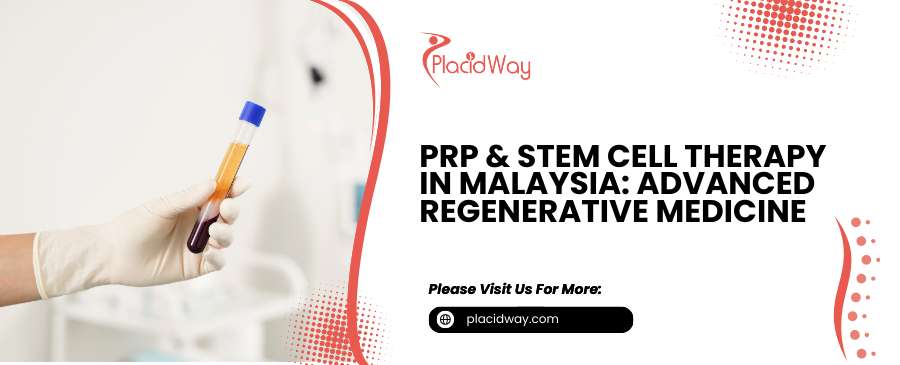
PRP therapy begins with drawing a small sample of the patient’s own blood. This blood is then processed in a specialized centrifuge to concentrate the platelets, creating a plasma rich in growth factors. This concentrated PRP is then injected directly into the injured or damaged area. The growth factors released by the platelets stimulate cellular repair, reduce inflammation, and promote localized healing. It is particularly effective for soft tissue injuries like tennis elbow, Achilles tendonitis, and early-stage arthritis. Stem cell therapy, a more advanced procedure, involves harvesting Mesenchymal Stem Cells (MSCs) typically from the patient’s own bone marrow or adipose (fat) tissue, or from ethically sourced umbilical cord tissue. These MSCs possess the unique ability to differentiate into various cell types, including cartilage, bone, or muscle cells. This makes them ideal for treating more severe degenerative conditions such as advanced osteoarthritis, where they can actively contribute to tissue regeneration and repair.
What Clinical Evidence Supports These Treatments, and What Are the Potential Risks?
Evidence & Outcomes: Clinical data from Malaysian centers show a notable success rate of 75-85% for knee osteoarthritis patients undergoing stem cell therapy, with many experiencing significant pain reduction and signs of cartilage regeneration within three to six months post-treatment. These outcomes are supported by Malaysia’s stringent regulatory environment, overseen by the Ministry of Health and the National Committee for Stem Cell Research and Therapy (NCSCRT). This body ensures all clinical trials and therapy approvals are rigorously vetted, safeguarding international patients from unproven or experimental treatments prevalent in less regulated markets. Facilities are required to be licensed and adhere to Good Tissue Practice (GTP) and Good Manufacturing Practice (GMP), often holding JCI or MSQH accreditations to guarantee high-quality, ethically sourced biological products.
Risks & Contraindications: While PRP and stem cell therapies are generally considered minimally invasive with rapid recovery, potential risks, though rare, should be understood. These include temporary pain, swelling, or bruising at the injection or harvesting sites. Despite stringent sterilization protocols, there is a minimal risk of infection. Serious complications like nerve or tissue damage are exceedingly rare but possible with any injection. Allergic reactions to local anesthesia or other components are also potential, albeit uncommon, concerns. It is crucial to remember that individual outcomes can vary widely; not all patients achieve the same level of improvement. Patients with active infections, certain blood disorders, or those undergoing specific chemotherapy treatments may be contraindicated. Always ensure full disclosure of your medical history to a qualified specialist. Seek immediate medical attention for warning signs such as persistent fever, severe pain, or unexpected fluid drainage. This information does not replace professional medical advice; always consult your physician to determine if these treatments are right for you, understanding that no medical procedure offers “cures” or “guaranteed” results.
Did you know that Malaysia is one of the few countries in Asia with a dedicated National Committee for Stem Cell Research and Therapy (NCSCRT)? This body rigorously oversees clinical trials and therapy approvals, ensuring international patients receive approved and standard treatments, significantly reducing the risk of ‘scam’ therapies prevalent in less regulated markets.
How Do Regenerative Therapies in Malaysia Compare in Cost Globally?
Malaysia is a beacon of affordability for advanced regenerative medicine, offering treatments at a fraction of the cost found in many Western countries. This financial advantage doesn’t come at the expense of quality, as the country maintains high medical standards through strict regulations and accredited facilities. Patients seeking procedures like stem cell therapy for knee osteoarthritis can expect significant savings, often bundling additional services like accommodation and airport transfers into a more attractive final price compared to costly outpatient procedures elsewhere.
Essential Facts & Pro-Tips for Your Medical Journey
What Does Your PRP & Stem Cell Treatment Journey Look Like in Malaysia?
The treatment journey in Malaysia is meticulously planned to ensure both efficiency and patient comfort, from your initial inquiry to your eventual return home. The process minimizes downtime while ensuring every safety protocol is strictly followed under expert medical supervision.