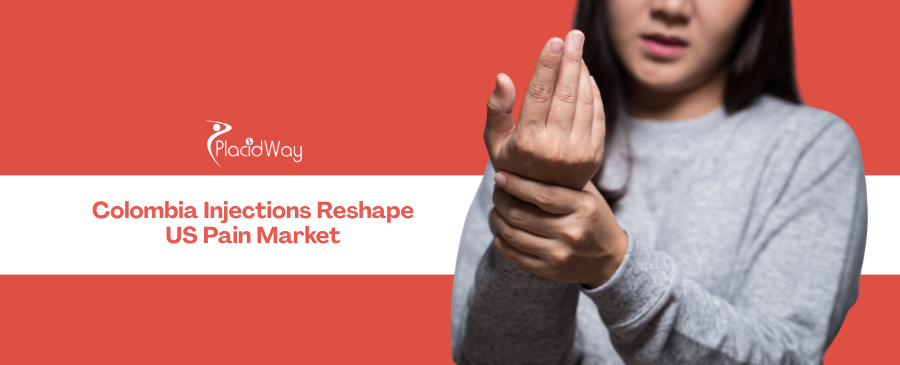
As the United States battles an unrelenting opioid epidemic, thousands of chronic pain sufferers are looking abroad. In Colombia, breakthrough concentrated MSC neuropathy injections are providing a powerful, non-addictive alternative, fundamentally reshaping the future of global pain management.
The Opioid Crisis and the Search for Sustainable Pain Relief
For decades, the standard protocol for managing severe neuropathy in the United States has relied heavily on pharmacological interventions. From gabapentinoids to powerful opioids, the traditional approach has often focused on masking the symptoms rather than addressing the underlying nerve damage. This paradigm has contributed significantly to a nationwide health crisis. As highlighted in the Official News Source, the over-prescription of addictive painkillers has left countless patients caught in a devastating cycle of dependence, tolerance, and diminishing relief.
Peripheral neuropathy, characterized by debilitating pain, numbness, tingling, and a burning sensation, affects millions of Americans. It is frequently caused by diabetes, chemotherapy, autoimmune diseases, or traumatic injuries. When standard medications fail or cause unbearable side effects, patients are left desperate for a solution. The urgency to find sustainable, non-addictive treatments has driven a massive shift in medical consumer behavior, leading thousands to explore regenerative medicine options beyond their domestic borders. This exodus of patients is not merely a trend; it is a profound commentary on the limitations of traditional pain management systems.
Understanding Concentrated MSC Neuropathy Injections
At the heart of this medical revolution are Mesenchymal Stem Cells (MSCs). Unlike conventional drugs that temporarily block pain signals from reaching the brain, concentrated MSC therapies aim to repair the damaged tissues themselves. MSCs are multipotent adult stem cells found in various tissues, including bone marrow, adipose (fat) tissue, and umbilical cord tissue. When harvested, concentrated, and injected directly into the areas affected by nerve damage, these cells initiate a complex biological healing cascade.
The science behind MSC injections centers on their unique immunomodulatory and paracrine properties. Once introduced to a damaged neural environment, MSCs release a host of growth factors, cytokines, and exosomes that reduce neuroinflammation—a primary driver of neuropathic pain. Furthermore, they promote angiogenesis, which is the formation of new blood vessels, thereby improving blood flow to oxygen-starved nerves. This multifaceted approach not only mitigates the agonizing pain associated with neuropathy but also encourages cellular regeneration, offering patients the potential for long-term recovery rather than temporary palliation.
Did You Know?
Mesenchymal Stem Cells (MSCs) possess a unique “homing” capability. When injected into the body, they can detect chemical signals emitted by damaged tissues and migrate specifically to those areas of inflammation and injury to begin the cellular repair process.
Why Colombia is the Emerging Epicenter for Regenerative Medicine
While the United States grapples with stringent regulatory frameworks that often slow the widespread adoption of advanced cellular therapies, Colombia has positioned itself as a progressive hub for regenerative medicine. Major Colombian cities have developed world-class healthcare infrastructures that adhere to rigorous international standards while allowing for the ethical and safe application of concentrated MSC treatments.
The country’s medical facilities are equipped with state-of-the-art laboratories capable of highly advanced cell processing and concentration techniques. Furthermore, the medical professionals overseeing these procedures are internationally trained experts, often holding credentials from top global institutions. This combination of advanced technology, regulatory agility, and medical expertise allows Colombia to offer specialized neuropathy treatments that are currently inaccessible or prohibitively expensive in North America. As a result, the nation has evolved from a traditional medical tourism destination to a highly specialized center for complex pain management solutions.
Comparing U.S. and Colombian Pain Management Paradigms
To truly understand the shift in the market, one must examine the stark differences between the standard of care in the U.S. and the advanced regenerative options available in Colombia. In the U.S., the ongoing costs of prescription medications, physical therapy, and repeated doctor visits create a massive financial burden for patients, often stretching over a lifetime without providing a cure.
In contrast, Colombian MSC therapy is designed as a targeted, intensive intervention. While the upfront investment for medical travel may seem significant, the long-term economics strongly favor the regenerative approach. By addressing the root cause of the pain, patients frequently report a dramatic reduction in their reliance on costly medications.
- Treatment Focus: The U.S. model often focuses on symptom management via pharmaceuticals, whereas the Colombian model focuses on cellular repair and nerve regeneration.
- Addiction Risk: U.S. treatments involving opioids carry a high risk of addiction and severe side effects; MSC injections carry zero addiction risk and utilize the body’s natural healing mechanisms.
- Long-term Costs: Lifelong prescriptions and continuous medical monitoring in the U.S. result in massive out-of-pocket expenses compared to the consolidated cost of regenerative therapy abroad.
- Regulatory Environment: Colombia’s regulatory framework allows for faster integration of proven, safe stem cell technologies, offering patients immediate access to breakthrough treatments.
- Patient Experience: Medical travel to Colombia often includes comprehensive VIP care, private recovery suites, and personalized attention that is rarely found in the overloaded U.S. healthcare system.
The Patient Journey: From Chronic Pain to Colombian Recovery
Embarking on a journey for regenerative medical care requires careful planning, but the process has been heavily streamlined by specialized medical travel facilitators like PlacidWay. The journey begins long before the patient boards a flight. It starts with a comprehensive virtual consultation where Colombian specialists review the patient’s medical history, MRI scans, and previous treatment records to determine if they are a suitable candidate for concentrated MSC neuropathy injections.
Once approved, the logistics of the trip are meticulously organized. Upon arrival in Colombia, patients are greeted by dedicated concierges who handle transportation to luxury recovery accommodations and top-tier medical facilities. The procedure itself is typically minimally invasive, often performed on an outpatient basis under local anesthesia. Following the injection of concentrated MSCs, patients undergo a monitored recovery period where they can relax in a beautiful, stress-free environment, which is known to significantly aid the healing process. Follow-up care is coordinated virtually upon their return home, ensuring continuous support.
Breaking the Stigma of Cross-Border Medical Care
Historically, there was a stigma associated with traveling abroad for medical procedures, often driven by misconceptions regarding safety and hygiene. However, the modern reality of global healthcare has shattered these outdated notions. Today’s premier medical destinations, particularly in Colombia, boast accreditations from international governing bodies that hold them to the exact same, if not higher, standards than many hospitals in the United States.
Transparency, rigorous safety protocols, and undeniable clinical outcomes have turned skeptics into advocates. Patients are increasingly realizing that healthcare innovation is not restricted by geographical borders. As thousands of Americans return home with restored mobility and significantly reduced pain levels—without the haze of opioid medications—the narrative is rapidly changing from one of risk to one of unparalleled opportunity.
“The rapid rise in patients seeking alternatives to chronic medication is a paradigm shift,” states Pramod Goel, CEO of PlacidWay. “When we look at Neutralizing the Opioid Curve: How Colombia’s Concentrated MSC Neuropathy Injections Are Reshaping the U.S. Pain Management Market, we are witnessing a defining moment where accessible, advanced regenerative medicine abroad is actively solving a domestic healthcare crisis.”
Did You Know?
Medical tourism for regenerative medicine is growing at an exponential rate. Patients are not just seeking cost savings; they are actively seeking access to higher concentrations of MSCs and specialized delivery protocols that are widely practiced in Colombia but remain caught in regulatory red tape elsewhere.
Market Impact: How International Access Changes Domestic Healthcare
The exodus of patients seeking MSC neuropathy injections in Colombia is sending shockwaves through the U.S. pain management market. Traditionally, chronic pain patients represented a highly lucrative demographic for domestic pharmaceutical companies and healthcare networks due to the lifelong need for prescriptions, continuous monitoring, and recurring interventions. As more patients successfully exit this cycle via international regenerative medicine, domestic providers are being forced to take notice.
This shift is catalyzing a broader conversation about the efficacy and ethics of current U.S. pain management protocols. Advocacy groups and medical professionals are increasingly pointing to international successes as evidence that domestic policies must evolve. The pressure is mounting on U.S. regulatory bodies to accelerate the approval of advanced cellular therapies. Until that domestic evolution occurs, however, the bridge between American patients and Colombian regenerative specialists will only continue to strengthen, effectively neutralizing the opioid curve one patient at a time.
Looking Ahead: A New Era for Neuropathy Patients
The landscape of neuropathy treatment has forever been altered. The realization that severe, chronic nerve pain does not have to result in a life tethered to opioid prescriptions is deeply empowering for patients. The integration of concentrated MSC injections represents a monumental leap forward from palliative care to genuine restorative healing.
As technology advances and clinical data continues to mount, the protocols surrounding MSC therapies will only become more refined and effective. Colombia’s proactive approach to adopting and mastering these techniques ensures that it will remain at the forefront of this medical revolution. For those suffering in silence, navigating the complexities of the U.S. healthcare system is no longer the only option. A globalized approach to health has unlocked doors to treatments that are truly life-changing, fostering a future where healing is prioritized over mere symptom management.
Ready to Explore Non-Addictive Pain Relief?
Discover if concentrated MSC neuropathy injections in Colombia are the right solution for you. Connect with leading global specialists today.