Facing rigid clinical trial criteria at home, North American spinal cord injury patients are discovering a highly regulated, advanced sanctuary in Colombia to reclaim their mobility and independence through innovative cellular therapies.
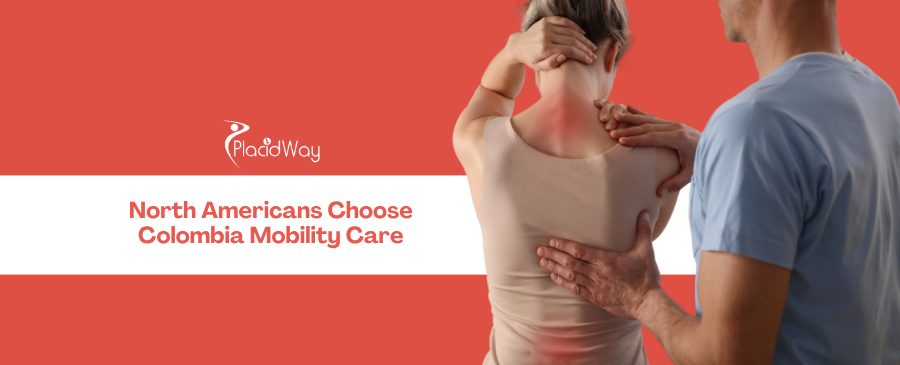
For thousands of North Americans living with a spinal cord injury, the journey toward restored mobility often hits an impenetrable wall of bureaucratic red tape, delayed approvals, and stringent clinical trial exclusions. The profound frustration of waiting years for domestic therapeutic authorizations has triggered a massive paradigm shift in the landscape of global medical travel. According to the Official News Source, patients are no longer passively waiting for highly restrictive, experimental trials to open up in the United States or Canada.
Instead, these resilient individuals are actively seeking out highly regulated, progressive medical environments abroad. They are traveling in unprecedented numbers to Colombia, a nation that has rapidly and meticulously established itself as a premier global destination for advanced neurological rehabilitation and regenerative medicine. With its strict healthcare regulations, world-class facilities, and progressive therapeutic frameworks, Colombia offers a safe, ethical, and highly effective alternative for patients who are desperate to improve their functional mobility and overall quality of life.
The Regulatory Bottleneck in North American Healthcare
The primary catalyst driving spinal cord injury patients beyond their home borders is the intensely restrictive nature of clinical trials in North America. Medical research in the United States and Canada operates under incredibly rigid protocols designed for the meticulous gathering of data, rather than immediate compassionate care. Patients who do not meet highly specific, narrow criteria—such as the exact time elapsed since the initial injury, the precise anatomical level of the spinal lesion, or a specific age bracket—are frequently completely excluded from participating in potentially life-changing therapies.
This strict exclusionary model leaves countless individuals without any viable therapeutic options at home, forcing them into a passive state of long-term disability. Furthermore, many North American clinical trials utilize a double-blind placebo structure. This means that even if a patient is lucky enough to be accepted into a trial, they run the significant risk of receiving a placebo rather than the actual cellular therapy. As conventional domestic medicine focuses heavily on lifelong symptom management and basic adaptive coping strategies rather than functional neurological recovery, patients are increasingly seeking proactive, guaranteed solutions that push the boundaries of modern medical science.
Did You Know?
Colombia ranks among the top healthcare systems in Latin America, boasting numerous internationally accredited medical institutions that adhere strictly to rigorous global safety protocols and ethical standards for advanced regenerative medicine and cellular therapies.
Colombia as a Strictly Regulated Medical Sanctuary
Unlike various global destinations known for offering unregulated and potentially unsafe experimental treatments, Colombia has taken a distinctively meticulous approach. The nation has intentionally built a robust, highly monitored, and legally transparent healthcare infrastructure. The Colombian health ministries strictly regulate the implementation of cellular therapies and advanced neurological rehabilitation programs, ensuring patient safety, ethical medical practices, and measurable, data-driven outcomes.
This stringent regulatory environment is precisely what sets Colombia apart from other medical tourism hubs operating in the gray areas of alternative medicine. North American patients find profound peace of mind knowing that their treatments in Colombia are overseen by rigorous national health standards. These facilities blend innovative cellular science with compassionate, highly structured care frameworks, ensuring that patients receive cutting-edge interventions within a completely safe, legally sanctioned, and medically sound sanctuary.
The Science of Regenerative Cellular Therapy
The fundamental science driving the success of these international programs relies on the remarkable potential of cellular regeneration and neuroplasticity. The comprehensive protocols utilized in Colombia are designed to address the complex biological barriers that prevent the spinal cord from healing naturally.
- Targeted Inflammation Reduction: Advanced cellular therapies focus primarily on drastically reducing chronic inflammation at the injury site, a primary roadblock to neurological signaling.
- Neural Repair Stimulation: Highly viable cellular materials are utilized to stimulate the repair of damaged myelin sheaths and encourage the regeneration of neural pathways.
- Synergistic Multidisciplinary Frameworks: Comprehensive programs ensure that cellular treatments are intimately paired with intensive, daily physical and occupational rehabilitation.
- Personalized Protocol Adaptation: Patients benefit from deeply personalized therapy plans that adapt in real-time to their specific neurological baseline, physical endurance, and individual recovery rate.
- Stringent Laboratory Controls: State-of-the-art clean-room environments and rigorous laboratory protocols guarantee the highest purity, viability, and safety of all therapeutic materials used.
- Long-Term Functional Monitoring: Detailed tracking protocols are established to measure objective improvements in sensory recovery, motor skill enhancements, and autonomic function over time.
Comprehensive Rehabilitation Ecosystems
Experts in regenerative medicine universally agree that cellular therapy alone is rarely sufficient to achieve significant, lasting neurological recovery. Colombian medical centers possess a profound understanding of this biological reality, which is why they have meticulously developed holistic, highly intensive rehabilitation ecosystems. These programs flawlessly integrate advanced physical therapy, adaptive occupational therapy, robotic gait training, and neuromuscular electrical stimulation techniques alongside the regenerative cellular treatments.
These intensive, immersive programs require patients to engage in rigorous, customized daily therapies designed to continuously challenge and retrain both the brain and the body. By combining the internal healing properties of cellular therapy with continuous, targeted physical engagement, the central nervous system is highly encouraged to forge new neural pathways—a process known as neuroplasticity. This dynamic combination of internal cellular healing and external biomechanical stimulation frequently leads to remarkable, sustainable improvements in mobility, core stability, sensory perception, and overall independent living capabilities.
“As traditional healthcare models continue to constrain patient access through rigid clinical trial frameworks and excessive bureaucracy, Colombia has emerged as a true beacon of hope for the spinal cord injury community. By combining strict ethical regulations with groundbreaking cellular innovations and world-class rehabilitation, these medical sanctuaries are not just offering treatments; they are restoring dignity, independence, and the profound path to mobility that every patient deserves.”
— Pramod Goel, CEO of PlacidWay
The Direct Advantage of Treatment in South America
When evaluating the landscape of spinal cord injury care, the contrast between navigating North American clinical trials and opting for Colombian medical sanctuaries is stark. The table below highlights the crucial differences that are motivating patients to travel abroad for their care.
| Care Factor | North American Clinical Trials | Colombian Medical Sanctuaries |
|---|---|---|
| Accessibility | Highly exclusionary; strict criteria based on age and injury type. | Inclusive, personalized evaluation based on overall health and potential. |
| Treatment Certainty | High risk of receiving a placebo in double-blind studies. | Guaranteed receipt of the active, prescribed cellular therapy. |
| Wait Times | Often years on waiting lists with no guarantee of acceptance. | Immediate scheduling upon comprehensive medical approval. |
| Rehabilitation Integration | Often separated from the trial; outsourced to local community therapists. | Highly integrated, daily intensive therapy under one cohesive medical roof. |
| Regulatory Environment | Heavily focused on gathering preliminary research data over immediate outcomes. | Strict national oversight focusing on patient safety and functional improvement. |
Did You Know?
Medical tourism specifically targeting advanced neurological care is growing by over twenty percent annually, as empowered patients increasingly prioritize immediate access to innovative, life-altering treatments over geographic convenience.
Overcoming the Psychological Toll of Spinal Cord Injuries
A spinal cord injury does not merely traumatize the physical body; it enacts an incredibly profound and lasting psychological toll on patients and their entire support system. The devastating feeling of hopelessness associated with being repeatedly denied treatment at home often leads to severe clinical depression, social isolation, and debilitating anxiety. This psychological burden actively compounds the physical limitations of the injury, creating a vicious cycle that hinders any form of meaningful recovery or adaptation.
The leading medical sanctuaries in Colombia actively and aggressively address these complex mental health challenges by fostering incredibly supportive, empathetic, and culturally warm environments. The comprehensive approach to patient care in South America inherently prioritizes emotional well-being alongside physical health. This deeply compassionate cultural approach, combined with the immense psychological boost of taking proactive control over one’s own recovery journey, provides a monumental, positive shift in mental well-being for North American travelers. Patients often report feeling seen, valued, and genuinely cared for in ways they had not experienced within their domestic medical systems.
The Long-Term Impact on Global Healthcare Dynamics
The steady migration of North American patients to Colombian medical centers is generating a powerful ripple effect across the entire global healthcare landscape. As these patients return home showcasing documented, objective improvements in motor function, sensation, and autonomy, the traditional Western medical community is being forced to take notice. The success of Colombia’s regulated sanctuaries is effectively challenging the slow, bureaucratic pace of North American clinical trials, proving that rigorous safety and swift, compassionate innovation can indeed coexist.
This growing trend is also fostering unprecedented international collaboration. As the data generated by these advanced therapeutic ecosystems in Colombia becomes more robust, it paves the way for potential future partnerships between North American research institutions and South American clinical hubs. Ultimately, the success of these patients is acting as a catalyst for a more unified, globalized approach to treating catastrophic neurological injuries, where geographical borders no longer dictate a patient’s access to healing.
Preparing for Medical Travel to Colombia
Planning an international medical journey for a patient with a spinal cord injury requires meticulous, highly specialized logistical coordination. Because mobility is significantly impaired, every single aspect of the trip must be flawlessly executed. This includes securing wheelchair-accessible international flights, arranging specialized ground transportation equipped with hydraulic lifts, and ensuring that all accommodations feature roll-in showers, widened doorways, and appropriate adaptive equipment to guarantee a seamless and entirely safe travel experience.
Attempting to manage these complex logistics independently can be overwhelmingly stressful. Partnering with established, globally recognized medical tourism facilitators like PlacidWay ensures that every critical detail is handled with absolute precision and expertise. From facilitating the initial virtual medical consultations and transferring complex medical records, to securing travel visas and arranging fully accessible lodging near the medical sanctuary, expert coordination removes the burden from the family. This comprehensive support structure allows the patient to focus entirely on their upcoming treatments, their intensive physical rehabilitation, and their ultimate path back to mobility.
Ready to Explore Advanced Cellular Therapies in Colombia?
Do not let rigid clinical trial criteria limit your potential for recovery. Discover highly regulated, comprehensive rehabilitation sanctuaries tailored for spinal cord injury patients.