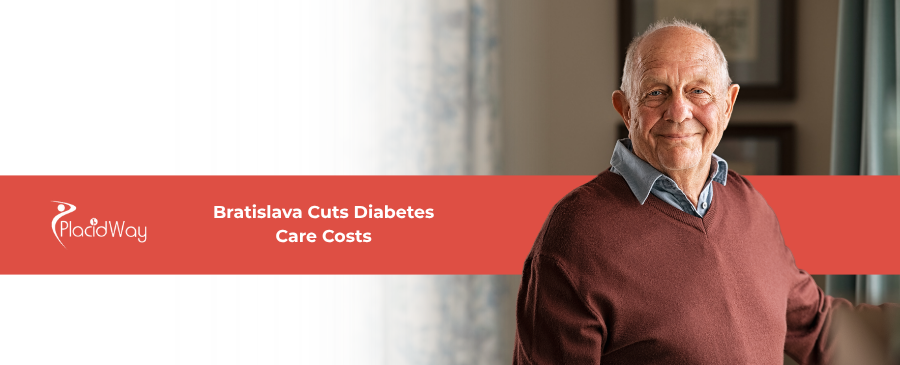
The landscape of regenerative medicine in Europe is experiencing a seismic shift. For decades, patients suffering from chronic conditions like diabetes have sought cutting-edge therapies in major Western European hubs, often paying exorbitant out-of-pocket fees. However, a new economic reality is taking hold. As reported in the Official News Source, a disruptive trend is emerging from Central Europe. Medical facilities in Bratislava are now providing state-of-the-art stem cell therapies for diabetes at a fraction of the cost historically demanded by elite private institutions in cities like Berlin, Munich, and Zurich.
This development comes as a massive relief to the DACH demographic—comprising Germany, Austria, and Switzerland—where healthcare inflation and restrictive insurance coverages for experimental and regenerative treatments have left many patients stranded. By crossing the border into Slovakia, individuals are unlocking access to the exact same high-grade medical protocols, utilizing modern laboratory environments and internationally accredited medical teams, while safeguarding their personal financial stability.
The Rising Demand for Alternative Diabetes Therapies in Europe
Diabetes remains one of the most pressing public health challenges across the European continent. Traditional treatment modalities, primarily focusing on lifestyle modifications, oral hypoglycemic agents, and lifelong exogenous insulin therapy, effectively manage symptoms but do not reverse the underlying cellular degradation. Consequently, patients are continually subjected to the relentless progression of the disease, which often leads to severe complications such as neuropathy, retinopathy, cardiovascular disease, and renal failure. The limitations of conventional symptom management have catalyzed a massive surge in patient demand for regenerative solutions that target the root cause of the illness.
In response to this demand, regenerative medicine—specifically utilizing advanced stem cell protocols—has captured the attention of the medical community and patients alike. These therapies offer the profound potential to halt disease progression, modulate the immune system, and in some cases, stimulate the regeneration of pancreatic beta cells. However, as this demand has skyrocketed within the DACH region, so too has the commercial pricing in Western European private clinics, creating a substantial socioeconomic divide wherein only the ultra-wealthy can afford potentially life-altering care. This disparity has set the stage for alternative European medical destinations to step forward and democratize access to advanced diabetic treatments.
Why Bratislava is the New Hub for Medical Tourism
Geographic strategy plays a monumental role in the rise of Bratislava as a premier medical tourism destination. Situated mere kilometers from the Austrian border, Bratislava is essentially a twin capital to Vienna. For patients residing in Austria, southern Germany, and Switzerland, traveling to Slovakia is no more complicated than a domestic inter-city trip. Excellent highway infrastructure, extensive railway connections, and proximity to major international airports ensure that patients do not have to endure the stress of long-haul international flights when their health is already compromised.
Beyond mere geography, Bratislava’s integration into the European Union guarantees that its medical sector is governed by the same stringent safety directives and quality control measures as any clinic in Berlin or Zurich. The medical infrastructure in Slovakia has received massive investments over the last decade, resulting in pristine, ultra-modern clinical environments. Because the local cost of living, real estate, and administrative overhead are significantly lower than in Western Europe, leading medical groups in Bratislava can offer uncompromisingly high medical standards without passing bloated operational costs onto the patient.
Breaking Down the Costs: Bratislava vs. Berlin and Zurich
To truly comprehend the magnitude of this market disruption, one must examine the stark contrast in pricing structures across these regions. Private regenerative clinics in Berlin and Zurich cater to a high-net-worth clientele, pricing their therapies to reflect local real estate premiums, exceptionally high medical malpractice insurance rates, and elevated staff salaries. In contrast, the economic ecosystem in Bratislava permits identical scientific procedures to be executed at drastically reduced price points. Patients are discovering that they can receive multi-day therapeutic protocols, comprehensive diagnostic testing, and luxury recovery accommodations in Slovakia for less than the base cost of the cellular extraction phase alone in Switzerland.
When breaking down the overall financial investment, several key areas generate the most substantial savings for DACH region patients traveling to Bratislava:
- Laboratory Cultivation Fees: The cost to harvest, isolate, and expand stem cells in a sterile laboratory environment is often marked up by hundreds of percent in Western Europe. Bratislava facilities maintain leaner operational models, reflecting true laboratory costs.
- Specialist Consultations: Hourly rates for board-certified endocrinologists and regenerative specialists in Zurich can be staggeringly high. Slovakian experts provide extensive, unhurried consultations at globally competitive rates.
- Facility Utilization: Operating theater and private recovery suite fees are a fraction of the cost in Slovakia, despite featuring identical modern monitoring technology and luxury amenities.
- Post-Therapy Care: Follow-up monitoring, nutritional counseling, and physiotherapy are bundled into comprehensive packages in Bratislava, whereas they are often billed as expensive add-ons in Germany.
- Travel and Logistics: Due to the close proximity to Vienna, travel expenses are negligible, eliminating the need for expensive international airfare and long hotel stays.
Did You Know?
Mesenchymal Stem Cells (MSCs) used in these advanced therapies possess a unique capability known as “homing.” Once introduced into the patient’s bloodstream, these cells can naturally detect signals of inflammation and tissue damage, migrating directly to the pancreas to exert their reparative and anti-inflammatory effects.
The Science of Regenerative Medicine for Diabetic Care
Understanding the clinical draw of Bratislava requires a look into the remarkable science of regenerative treatments for diabetes. At the core of this medical breakthrough is the utilization of multipotent cells, primarily Mesenchymal Stem Cells, which can be derived from various sources including the patient’s own adipose tissue or bone marrow, or from ethically sourced umbilical cord tissue. Unlike pharmaceutical interventions that simply introduce exogenous insulin to manage blood glucose levels, cell-based therapies operate on a foundational, cellular level to repair the body’s native metabolic function.
For Type 1 Diabetes, which is an autoimmune condition where the body’s immune system erroneously attacks pancreatic beta cells, the therapy focuses heavily on immunomodulation. The introduced cells help to “reset” or calm the aggressive immune response, protecting the remaining beta cells from further destruction. Simultaneously, they secrete powerful trophic factors that promote angiogenesis (the formation of new blood vessels) and reduce inflammation. In the case of Type 2 Diabetes, the regenerative protocols aim to decrease systemic insulin resistance, improve peripheral tissue sensitivity to insulin, and rejuvenate exhausted pancreatic function, often leading to a significant reduction in required daily medication.
Quality Assurance and Patient Safety in Slovakian Medical Facilities
A common initial hesitation among patients considering cross-border healthcare is the assumption that a lower price tag equates to diminished quality or compromised safety protocols. In the case of Bratislava’s premier medical sector, this is a profound misconception. The Slovak Republic is bound by the strict regulatory frameworks of the European Medicines Agency and the comprehensive health directives of the European Union. This ensures that the handling, processing, and administration of human tissues and cells adhere to the highest conceivable global standards.
Facilities catering to international patients in the DACH demographic are equipped with ISO-certified laboratories and state-of-the-art clean rooms that rival any found in Western Europe. Furthermore, the medical personnel—ranging from laboratory scientists to administering physicians—frequently hold international board certifications, participate in ongoing global medical research, and have trained at some of the most prestigious institutions worldwide. The strict adherence to international safety protocols, combined with highly educated, multilingual medical staff, ensures that patients receive world-class care in a completely secure clinical environment.
The Logistical Ease for the DACH Demographic
Navigating healthcare in a foreign country can seem daunting, but the infrastructure supporting medical tourism in Bratislava has been meticulously refined to remove all friction for the patient. Specialized medical facilitators and clinic coordinators design seamless itineraries that handle every aspect of the journey. Recognizing that the DACH demographic comprises primarily German-speaking individuals, top-tier facilities employ fluent German-speaking patient coordinators, ensuring that nothing is lost in translation during vital medical consultations and procedural explanations.
The logistical process typically begins long before the patient leaves their home. Comprehensive medical records and preliminary diagnostic results are reviewed remotely via secure telemedicine portals. Once a patient is approved as a suitable candidate for regenerative therapy, concierge services arrange everything from VIP airport transfers—often picking patients up directly from Vienna International Airport—to booking accommodations at partnered luxury hotels. This holistic approach ensures that the patient’s sole focus remains entirely on their treatment, healing, and recovery, free from the stress of organizing complex international travel.
“The paradigm of European medical travel is shifting rapidly. Patients are no longer willing to accept the exorbitant premiums charged by western private clinics when identical, strictly regulated, and highly advanced therapies are available just a short distance away. Bratislava is proving that cutting-edge regenerative medicine can be both accessible and uncompromised in quality, fundamentally changing the landscape of diabetes care for the DACH region.”
What Patients Should Expect During Their Medical Journey
The pathway to undergoing advanced regenerative therapy in Bratislava is structured, transparent, and highly personalized. Unlike the rushed experiences often encountered in overwhelmed public health sectors, the private clinic experience emphasizes individualized attention and comprehensive care at every stage of the journey.
Patients generally follow a systematic, multi-step process designed to optimize clinical outcomes:
- Comprehensive Evaluation: The journey begins with in-depth blood panels, metabolic assessments, and medical history reviews to tailor the cellular dosage and delivery method specifically to the patient’s physiological needs.
- Preparation and Extraction (if autologous): If the protocol utilizes the patient’s own cells, a minimally invasive procedure is performed under local anesthesia to harvest the necessary tissue, usually from adipose deposits.
- Laboratory Processing: The harvested cells are transferred to a high-tech laboratory where they are isolated, purified, and tested for viability and concentration over a matter of hours or days, depending on the specific protocol.
- Targeted Administration: The prepared regenerative cells are reintroduced into the patient’s body. For diabetes, this is most commonly achieved via a slow, carefully monitored intravenous drip, allowing the cells to circulate systemically and home in on the pancreas.
- Ongoing Monitoring: Post-treatment, patients rest in comfortable recovery suites before returning to their hotel. The clinic provides continuous telemedicine follow-ups over the subsequent months to track metabolic improvements and adjust any ongoing conventional medications as insulin dependency potentially decreases.
Did You Know?
Medical tourism in Central Europe is growing at an unprecedented rate, largely driven by healthcare inflation in Western nations. By choosing destinations like Bratislava, patients are saving up to 60 percent on advanced treatments, money that is often reinvested into healthier lifestyle adaptations post-treatment.
Future Implications for European Healthcare Economics
The outflow of patients from Germany, Austria, and Switzerland toward Slovakia represents a highly significant macroeconomic trend in European healthcare. As Bratislava solidifies its reputation as a center of excellence for regenerative medicine and diabetic care, it applies considerable competitive pressure on the elite clinics of Western Europe. To remain relevant, legacy institutions in Berlin and Zurich may eventually be forced to reevaluate their pricing models, streamline their operations, or risk losing a substantial portion of their patient base to cross-border alternatives.
More importantly, this trend highlights the democratization of advanced medical care. Breakthroughs in cellular biology and regenerative therapies should not remain the exclusive privilege of a select elite. By providing a cost-effective, highly regulated, and easily accessible avenue for treatment, Bratislava is not just disrupting medical tourism statistics; it is actively transforming lives, offering renewed hope, improved vitality, and a brighter health outlook for thousands of patients battling the daily realities of diabetes.
Ready to Explore Your Treatment Options?
Discover how advanced stem cell therapies in globally accredited facilities can help manage your diabetes effectively. Connect with top medical providers today and take the first step toward a healthier future without the financial burden.