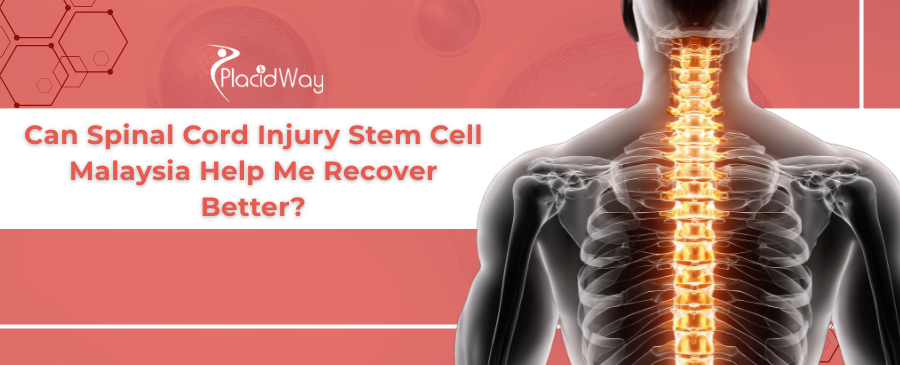
Stem cell therapy for spinal cord injury in Japan offers an advanced regenerative approach aimed at promoting nerve repair and improving motor function under strict regulatory safety frameworks. While outcomes vary based on the severity of the injury patients typically explore this treatment to reduce inflammation and stimulate cellular regeneration.
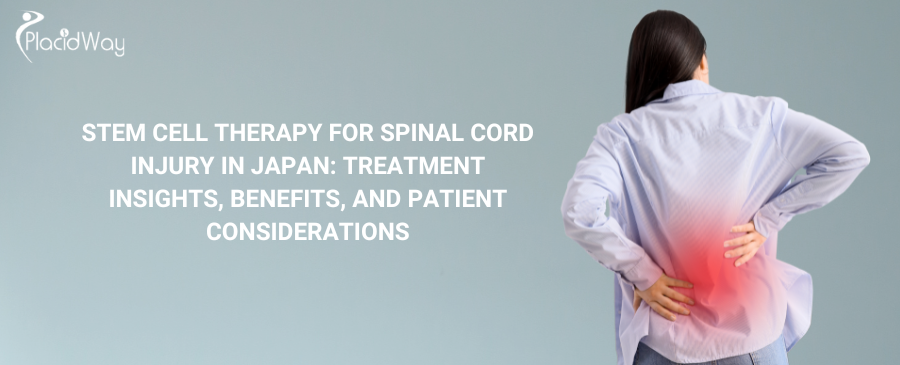
Many international patients are looking into Stem Cell Therapy as a potential option for addressing spinal cord injuries due to its focus on nerve regeneration and cellular healing. When evaluating Stem Cell Therapy Centers in Japan you must carefully review the estimated costs medical credentials and the specific regulatory approvals governed by the Japanese Ministry of Health Labour and Welfare. Understanding the safety protocols and realistic recovery expectations is essential before making any major healthcare decisions.
Quick Summary
- Estimated Cost Typically ranges from $20000 to $45000 USD depending on the clinic and specific cellular protocol.
- Safety Overview Highly regulated under the Act on the Safety of Regenerative Medicine in Japan.
- Ideal Candidate Patients with stable spinal cord injuries seeking functional improvements who meet strict medical eligibility criteria.
- Recovery Time Initial recovery requires a few weeks followed by ongoing physical rehabilitation over several months.
- Main Reason to Choose Japan Access to progressive regenerative medicine laws and highly specialized neurological research facilities.
- Important Caution Results are not guaranteed and improvements vary greatly depending on the individual neurological condition.
Understanding Stem Cell Therapy for Spinal Cord Injury in Japan
Patients worldwide consider traveling to Japan for stem cell therapy because the country has established a progressive and legally structured environment for regenerative medicine. The Japanese government implemented specific legal frameworks to safely accelerate the clinical application of cellular therapies making it a leading destination for neurological treatments. International patients with spinal cord injuries often seek these advanced therapies in hopes of restoring lost motor function and improving their overall quality of life.
Understanding the primary reasons why patients choose this destination helps you evaluate whether traveling for treatment aligns with your medical goals. Many medical tourists arrive from North America Europe and neighboring Asian countries drawn by the combination of clinical expertise and stringent safety oversight.
Primary reasons patients travel to Japan for this procedure include access to state of the art laboratory facilities government regulated safety protocols highly specialized neurosurgeons transparent clinical data and comprehensive post treatment rehabilitation programs.
Biological Mechanisms of Spinal Cord Cellular Regeneration
Stem cell therapy for a spinal cord injury primarily utilizes mesenchymal stem cells which are known for their strong anti inflammatory and immunomodulatory properties. When introduced into the spinal canal or directly into the injured area these cells may help reduce secondary damage caused by persistent inflammation. The biological goal is to create a microenvironment that supports the survival of existing neurons and potentially stimulates the regeneration of damaged nerve fibers.
While stem cells do not magically replace an entirely severed spinal cord they secrete vital growth factors known as neurotrophic factors. These factors can encourage neuroprotection promote the growth of new blood vessels and help modify scar tissue formation within the spinal column. The procedure is complex and relies heavily on precise administration protocols performed by highly trained neurological specialists.
| Mechanism of Action | Biological Function | Expected Clinical Impact |
|---|---|---|
| Immunomodulation | Reduces local and systemic inflammation | Minimizes secondary tissue damage |
| Neuroprotection | Secretes neurotrophic growth factors | Prevents further neuronal cell death |
| Angiogenesis | Promotes formation of new blood vessels | Improves blood flow and oxygen to the injury site |
| Tissue Remodeling | Modifies glial scar tissue | Creates a better environment for nerve signaling |
Patient Demographics and Treatment Trends for Regenerative Medicine
Recent clinical data from 2024 to 2026 highlights a growing trend of cross border patients seeking advanced regenerative therapies in Japanese medical centers. The demographics show a diverse group of patients ranging from young adults with sports or trauma related injuries to older individuals managing degenerative spinal complications. Analyzing these trends provides valuable insight into the global demand and the trust placed in the Japanese healthcare system.
The increasing volume of international patients has prompted many top tier clinics in Japan to expand their international patient departments. Facilities now frequently offer multilingual support medical visa assistance and coordinated rehabilitation services to accommodate this diverse patient base.
Source: Japan Regenerative Medicine Cross Border Registry Report 2026
Age distribution data further reveals that a significant portion of patients falls between the ages of 30 and 50. These individuals often seek therapies that might help them regain independence and return to their professional lives after a traumatic injury. The clinical protocols are frequently tailored to the age and physical condition of the patient to optimize the potential benefits.
Source: Ministry of Health Labour and Welfare Neurological Treatment Database 2026
Estimated Cost of Stem Cell Therapy for Spinal Cord Injury in Japan
The financial investment required for stem cell therapy in Japan is a major consideration for international patients. Prices vary significantly based on the type of stem cells used the number of required injections the complexity of the cell expansion process and the duration of the hospital stay. You must request a transparent itemized written quote from any clinic you consider to avoid unexpected financial burdens.
When compared to western nations Japan offers highly regulated treatments at a competitive price point though it is rarely the cheapest option globally. The cost reflects the stringent safety standards laboratory expenses and the high level of medical expertise involved in neurological regenerative medicine.
| Country | Estimated Average Cost USD | Regulatory Environment |
|---|---|---|
| United States | $40000 to $80000 | Strict FDA oversight limited approvals |
| Japan | $20000 to $45000 | Regulated by MHLW clear legal framework |
| United Kingdom | $35000 to $70000 | Strict MHRA oversight |
| Australia | $30000 to $60000 | Strict TGA regulations |
Beyond the procedure itself you should budget for hidden or additional costs. These may include pre treatment diagnostic imaging such as MRI scans blood tests language interpretation services specialized medical transportation accommodation and extensive post treatment physical rehabilitation.
Choosing Specialized Hospitals for Stem Cell Treatment in Japan
Selecting a safe and reputable hospital in Japan is the most critical step in your medical journey. Not all clinics are equipped or authorized to handle severe neurological conditions. You must verify that the hospital operates legally and possesses the specific licenses required to culture and administer stem cells for spinal injuries.
In Japan the Ministry of Health Labour and Welfare along with the Pharmaceuticals and Medical Devices Agency oversee regenerative medicine. Clinics must comply with the Act on the Safety of Regenerative Medicine. Facilities offering advanced spinal cord therapies typically require specialized approvals indicating their laboratories meet strict sterility and quality control standards.
Warning Do not choose a clinic based solely on marketing claims. Always ask for their specific government license number under the regenerative medicine act and verify if their laboratory is officially certified for cell processing.
Selecting Qualified Neurological Specialists for Your Treatment
The success and safety of your treatment rely heavily on the expertise of the medical team performing the procedure. Administering stem cells into the spinal canal or damaged tissue is a delicate process that requires the precision of an experienced neurosurgeon or a highly specialized neurologist. You should never receive spinal injections from a general practitioner or an uncredentialed practitioner.
When evaluating doctors look for specialists who are board certified by the Japan Neurosurgical Society or the Japanese Society of Neurology. Experience specifically in regenerative medicine and a verifiable track record of treating spinal cord injuries are essential indicators of a qualified specialist.
| Credential to Verify | Why It Matters for Your Safety |
|---|---|
| Board Certification | Ensures the doctor has completed rigorous neurological training |
| National Medical Council Registration | Confirms the doctor is legally permitted to practice in Japan |
| Years of Regenerative Experience | Indicates familiarity with complex stem cell protocols |
| Annual Spinal Case Volume | Higher volume often correlates with better procedural safety |
Evaluating Safety Protocols and Treatment Risks in Japan
While Japan maintains strict regulatory standards no medical procedure is entirely risk free. Stem cell therapy for spinal cord injuries involves inherent risks related to both the biological materials and the method of administration. Understanding these risks allows you to make an informed decision and prepare for potential complications.
Possible side effects can include temporary fever headache localized pain at the injection site or mild immune reactions. More severe but rare complications could involve central nervous system infections or abnormal cell proliferation. Clinics must have comprehensive emergency protocols and on site intensive care capabilities to manage any adverse events immediately.
Always ask the clinic about their complication management protocol and whether they have direct transfer agreements with major regional hospitals in case of a severe medical emergency.
Medical Eligibility Criteria for Spinal Cord Therapy Candidates
Not every patient with a spinal cord injury is a suitable candidate for stem cell therapy. Clinics in Japan follow strict eligibility guidelines to ensure patient safety and to identify those most likely to benefit from the treatment. A thorough medical evaluation including recent neuroimaging and detailed medical history reviews is mandatory before acceptance into any program.
Ideal candidates are typically those with stable neurological conditions who do not have active systemic infections severe autoimmune disorders or a history of certain cancers. The time elapsed since the injury also plays a role as some protocols are designed for acute or subacute phases while others target chronic spinal cord injuries.
Takeaway Your doctor will review your MRI scans blood work and neurological assessments to determine if cellular therapy is biologically appropriate and safe for your specific injury profile.
The Step by Step Patient Journey and Treatment Process
Understanding the treatment timeline helps you plan your travel and set realistic expectations for your stay in Japan. The process is highly structured beginning with initial online consultations and culminating in extensive follow up care. Clinics usually assign a dedicated patient coordinator to guide you through each phase of the journey.
Upon arrival in Japan the first few days are dedicated to comprehensive in person medical evaluations and baseline physical assessments. Once cleared the cell collection and cultivation phase begins followed by the actual administration of the stem cells which may be done over several days or weeks depending on the prescribed protocol.
| Phase | Activity | Estimated Timeframe |
|---|---|---|
| Phase 1 | Remote consultation and medical record review | 2 to 4 weeks prior to travel |
| Phase 2 | Arrival in person diagnostics and cell collection | Days 1 to 3 in Japan |
| Phase 3 | Cellular processing and cultivation | Varies strictly by protocol |
| Phase 4 | Stem cell administration and monitoring | Days to weeks based on injections |
| Phase 5 | Initial rehabilitation and discharge planning | Final week before returning home |
Physical Rehabilitation Following Stem Cell Injections
Stem cell therapy is not a standalone cure and its potential benefits are heavily dependent on rigorous physical rehabilitation. Following the injections your nervous system requires targeted physical stimulation to help establish new neural pathways and maximize functional recovery. Dedicated physiotherapy is an absolute requirement for patients undergoing this treatment.
Many top clinics in Japan either provide in house neurorehabilitation or partner with specialized rehabilitation centers. You will likely engage in daily physical therapy occupational therapy and sometimes robotic assisted walking training to encourage motor function improvements during the critical post treatment window.
You should plan to continue intensive physical therapy for several months after returning to your home country to fully support the cellular regeneration process initiated in Japan.
Comparing Autologous and Allogeneic Stem Cell Sources
During your consultation your doctor will discuss the source of the stem cells used for your treatment. Japan permits the use of both autologous cells which are derived from your own body and allogeneic cells which come from healthy rigorously screened donors. Each approach has specific medical indications processing times and associated costs.
Autologous stem cells are typically harvested from your bone marrow or adipose tissue minimizing the risk of immune rejection. However the cultivation process can take several weeks. Allogeneic stem cells are available immediately from a standardized cellular bank but require careful medical matching and oversight to ensure safety.
| Cell Source | Primary Advantage | Main Consideration |
|---|---|---|
| Autologous Own Cells | No risk of immune rejection | Requires time for cell cultivation and expansion |
| Allogeneic Donor Cells | Immediate availability for treatment | Requires strict immune matching and monitoring |
Planning Your Medical Visa and Travel Itinerary for Japan
Traveling to Japan for medical reasons requires careful logistical planning. Depending on your nationality and the length of your anticipated stay you may need to apply for a specialized Visa for Medical Stay. This visa allows international patients and their accompanying caregivers to remain in Japan for extended periods specifically for medical treatments and rehabilitation.
To obtain this visa you must secure a guarantee letter from a registered medical coordinator or the treating hospital in Japan. You should begin this process several months in advance to ensure all paperwork is processed before your scheduled admission date. Additionally you must organize specialized travel insurance that covers medical complications abroad.
Warning Standard tourist travel insurance generally excludes coverage for complications arising from planned medical tourism procedures. Always verify that your policy explicitly covers regenerative medical treatments.
Managing Language Barriers and Cultural Differences
Navigating a complex medical procedure in a foreign country can be stressful especially when language barriers exist. While many leading doctors in Japan speak English nursing staff and administrative personnel may not be fully fluent. Effective communication is vital for your safety understanding of consent forms and daily medical care.
Reputable medical centers that cater to international patients provide dedicated in house medical interpreters. These professionals ensure that every detail of your diagnosis treatment plan and rehabilitation instructions is accurately translated. It is highly recommended to confirm the availability of continuous language support before committing to a clinic.
Takeaway Culturally Japanese healthcare emphasizes deep respect extreme cleanliness and strict adherence to hospital rules. Following instructions carefully and showing mutual respect will greatly enhance your treatment experience.
Expected Recovery Timeline Following Cellular Therapy
Recovery from stem cell therapy for a spinal cord injury is a slow and gradual process. Patients must approach the treatment with patience as cellular regeneration and neurological repair take significant time. The immediate post treatment phase focuses on managing any procedural side effects and beginning gentle mobility exercises.
Noticeable functional changes if they occur typically take several months to manifest. Your medical team will establish a schedule for follow up assessments usually conducted remotely via video calls and local MRI scans to monitor your progress objectively over the first year.
| Timeframe | Biological Process | Patient Activity Level |
|---|---|---|
| Weeks 1 to 2 | Cellular homing and initial inflammation reduction | Light assisted mobility and observation |
| Weeks 3 to 8 | Secretion of neurotrophic factors and tissue remodeling | Structured daily physical rehabilitation |
| Months 3 to 6 | Potential early neural repair and functional integration | Intensive continuous outpatient physiotherapy |
| Months 6 to 12 | Long term neurological stabilization | Maintenance therapy and formal clinical assessment |
Understanding Realistic Success Rates and Medical Outcomes
Setting realistic expectations is arguably the most important psychological aspect of undergoing stem cell therapy. While some patients report improvements in motor function sensory perception or bladder control results are never guaranteed. The degree of recovery depends heavily on the severity of the injury the age of the patient and the duration since the initial trauma.
Medical professionals in Japan generally use cautious language when discussing prognosis. They focus on quality of life improvements rather than promising a complete cure. You should be highly skeptical of any clinic or broker that guarantees a full recovery or uses aggressive sales tactics to secure your booking.
Clinical success is often measured by small functional gains such as improved core stability enhanced limb sensation or reduced neuropathic pain which can significantly improve daily living.
Complementary Therapies for Spinal Cord Injury Recovery
To maximize the potential benefits of stem cell treatments your medical team may recommend complementary therapies. These therapies aim to support overall neurological health and physical well being during the lengthy recovery phase. Combining treatments can sometimes yield better outcomes than cellular therapy alone.
Common complementary approaches include hyperbaric oxygen therapy which may increase oxygen delivery to damaged tissues and advanced nutritional support designed to reduce systemic inflammation. Always discuss any complementary therapies with your primary neurosurgeon to ensure they are safe and compatible with your stem cell protocol.
Frequently Asked Questions About Stem Cell Therapy for Spinal Cord Injury in Japan
Is stem cell therapy for spinal cord injury legally approved in Japan
Yes regenerative medicine is strictly regulated and permitted under the Act on the Safety of Regenerative Medicine. Clinics must possess specific licenses from the Ministry of Health Labour and Welfare to perform these complex procedures legally and safely.
How much does stem cell therapy for spinal cord injury cost in Japan
The estimated cost typically ranges from $20000 to $45000 USD. This price varies based on the type of stem cells utilized the number of required injections the cultivation process and the inclusion of comprehensive rehabilitation programs.
What type of stem cells are most commonly used for spinal injuries in Japan
Mesenchymal stem cells are the most frequently used type due to their strong anti inflammatory neuroprotective and tissue remodeling properties. They can be sourced from bone marrow adipose tissue or umbilical cord tissue depending on the clinical protocol.
Am I guaranteed to walk again after receiving stem cell treatment
No responsible doctor will guarantee that you will walk again. Outcomes vary significantly based on your specific injury profile and while some patients experience functional improvements results are not guaranteed and completely depend on individual neurological responses.
How long do I need to stay in Japan for the treatment
Patients usually need to remain in Japan for three to six weeks. This timeframe covers the initial diagnostic evaluations the cell cultivation period the administration of the cells and the crucial initial phase of specialized physical rehabilitation.
Do I need to continue physical therapy after returning home
Yes intensive and continuous physical rehabilitation is absolutely critical. Stem cells provide the biological potential for repair but active physical therapy is required to help stimulate the nervous system and build new neural pathways.
What are the main risks of stem cell injections in the spine
Risks include localized pain at the injection site mild fever headaches and in rare cases central nervous system infections or abnormal cellular growth. You must ensure your clinic has robust emergency management protocols in place.
Can international patients get a medical visa for Japan
Yes international patients can apply for a specific Visa for Medical Stay. This requires a formal guarantee letter from a registered medical coordinator or the treating hospital confirming your scheduled treatment plan.
How do I know if a clinic in Japan is safe and legitimate
You should verify that the clinic holds a valid license from the Ministry of Health Labour and Welfare specifically for regenerative medicine. Furthermore check that the treating doctors are board certified specialists in neurology or neurosurgery.
Will language be a barrier during my medical treatment in Japan
While language differences exist reputable clinics serving international patients provide dedicated in house medical interpreters. You must confirm that fluent translation services are available throughout your consultations treatments and rehabilitation sessions.
PlacidWay can help you compare highly qualified providers understand detailed treatment costs ask the right medical questions review your therapy options and securely request information from licensed clinics.
Related Stem Cell Therapy Resources on PlacidWay
Disclaimer: This information is for educational purposes only and does not replace professional medical advice. Always consult a qualified healthcare provider before making medical decisions.
References
- Advances in Stem Cell Therapy for Spinal Cord Injury – National Institutes of Health
- Regenerative Medicine Regulations and Oversight – Pharmaceuticals and Medical Devices Agency Japan
- Medical Care and Safety Standards – Ministry of Health Labour and Welfare Japan
- Spinal Cord Injury Fact Sheet – World Health Organization
- Guidelines for Neurological Treatments – Japan Neurosurgical Society
- Clinical Trials for Spinal Cord Injury in Japan – ClinicalTrials.gov