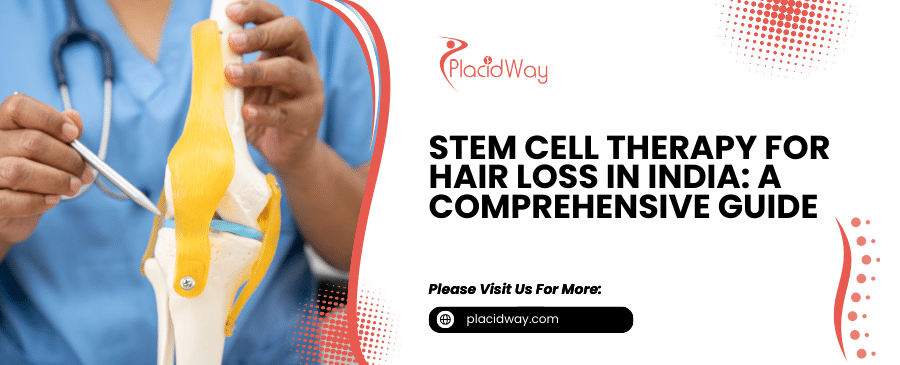
New treatments for osteoarthritis of the knee focus on regenerative medicine and minimally invasive therapies designed to reduce inflammation and promote tissue repair. Options such as stem cell injections and advanced biologics offer international patients alternatives to manage pain. These modern procedures aim to restore joint function and potentially delay traditional invasive surgeries.
Are you struggling with chronic joint pain and looking for new treatments for osteoarthritis of the knee that go beyond standard conservative care? Many international patients are exploring advanced regenerative therapies and minimally invasive procedures across the globe to regain their daily mobility. By evaluating different Orthopedic Knee Surgery Centers Worldwide, you can find innovative medical solutions tailored to your specific cartilage degradation. Discovering Stem Cell Therapy Clinics for Knee Osteoarthritis abroad may provide the breakthrough relief you need while giving you access to internationally certified orthopedic specialists and cost effective treatment packages.
Quick Summary of New Knee Osteoarthritis Therapies
- Estimated costs internationally range from 3000 USD to 9000 USD depending on the specific regenerative or minimally invasive procedure.
- Safety depends on selecting internationally accredited hospitals and board certified orthopedic specialists in your destination country.
- Ideal candidates are adult patients with mild to moderate cartilage loss who wish to delay total joint replacement surgery.
- Recovery time typically varies from a few days for biologic injections to several weeks for arthroscopic surgical interventions.
- Patients frequently travel internationally to access cutting edge therapies not yet widely covered by insurance or available in their home countries.
- Always request itemized quotes and verify your international doctors national medical board registrations before planning your medical journey.
Understanding New Treatments for Osteoarthritis of the Knee
Osteoarthritis of the knee occurs when the protective cartilage that cushions the ends of the bones wears down over time. For decades the standard approach involved pain management followed by inevitable total joint replacement when conservative measures failed. Recently the medical landscape has shifted toward biological and regenerative interventions designed to modify the disease progression. These new treatments for osteoarthritis of the knee focus on altering the joint environment to reduce painful inflammation and stimulate natural tissue healing.
Instead of relying solely on synthetic materials or metallic implants medical researchers now utilize the body own healing mechanisms. Treatments utilize highly concentrated growth factors cellular therapies and specialized structural proteins to target the damaged articular cartilage. While these therapies cannot entirely reverse severe bone on bone arthritis they often provide significant symptomatic relief and functional improvement for patients with early to moderate joint degeneration.
Clinical Insight: The goal of regenerative knee therapy is to create a favorable biological environment inside the joint cavity which helps slow further cartilage breakdown and mitigates chronic pain signals.
Why Patients Travel Abroad for Knee Osteoarthritis Care
Medical travel for orthopedic conditions has expanded significantly as patients seek more choices than their local healthcare systems provide. Many patients living in regions with long public healthcare wait times or high private healthcare costs look internationally for timely interventions. Accessing new treatments for osteoarthritis of the knee abroad allows patients to receive innovative therapies that might currently be considered elective or experimental by domestic insurance companies.
Furthermore international medical destinations often group regenerative therapies into comprehensive care packages that include the primary treatment along with physical therapy imaging and post procedure consultations. This integrated approach ensures that patients receive well rounded care during their stay. Cost savings remain a major factor but the primary motivation is increasingly focused on acquiring advanced medical technology and personalized treatment plans from highly experienced global specialists.
| Primary Reason for Travel | Patient Benefit |
|---|---|
| High Domestic Costs | Significant savings on out of pocket medical expenses |
| Waitlist Delays | Immediate access to necessary pain relieving procedures |
| Therapy Availability | Access to approved regenerative biologics and stem cell treatments |
| Comprehensive Care | Packages bundling therapy rehabilitation and specialized imaging |
Types of Regenerative Medicine for Knee Joint Pain
Regenerative medicine represents one of the most rapidly advancing fields in orthopedic care. Stem cell therapy is frequently utilized as it involves harvesting mesenchymal stem cells from the patients own bone marrow or adipose fat tissue. These cells are carefully processed and injected directly into the knee joint where they release growth factors that modulate inflammation and encourage the repair of damaged tissues. This approach requires precise image guidance to ensure the biological material reaches the specific areas of cartilage wear.
Another widely used regenerative approach is Platelet Rich Plasma or PRP therapy. This procedure isolates platelets from the patients own blood which are highly concentrated and reinjected into the knee. The platelets release specialized proteins that promote cellular regeneration and reduce localized swelling. Both stem cell therapy and PRP represent significant leaps forward in offering biological joint preservation options.
Treatment Tip: Many international clinics now combine PRP with stem cell injections utilizing the platelet growth factors as a biological scaffold to enhance the survival and efficacy of the injected stem cells.
Advanced Minimally Invasive Knee Procedures
For patients requiring structural intervention without the trauma of open surgery minimally invasive procedures provide an intermediate step. Arthroscopic debridement has evolved incorporating advanced laser tools and high definition cameras that allow surgeons to smooth frayed cartilage and remove loose debris with extreme precision. These refined techniques cause less disruption to the surrounding healthy joint tissues resulting in reduced post operative pain and faster mobilization.
Subchondroplasty is another newer minimally invasive technique targeting patients with chronic bone marrow lesions associated with osteoarthritis. The surgeon injects a specialized biological bone substitute into the spongy bone beneath the damaged cartilage. This material crystallizes to stabilize the bone defect and is eventually replaced by the patients natural bone during the healing process improving joint stability and significantly decreasing pain upon weight bearing.
| Minimally Invasive Option | Clinical Function | Typical Recovery Stage |
|---|---|---|
| Advanced Arthroscopy | Removes inflamed tissue and smooths joint surfaces | Two to four weeks |
| Subchondroplasty | Repairs subchondral bone defects and microfractures | Four to six weeks |
| Radiofrequency Ablation | Deactivates specific sensory nerves to block pain | One to two weeks |
Novel Injectables and Biologic Knee Treatments
Beyond traditional cellular therapies researchers have developed next generation biological injectables. Exosome therapy is emerging as a powerful non cellular option. Exosomes are microscopic extracellular vesicles responsible for cellular communication. When injected into an arthritic knee they deliver potent anti inflammatory signals and regenerative instructions to the damaged cartilage without requiring the extraction of living stem cells from the patient making the procedure faster and potentially more standardized.
Advanced hyaluronic acid formulations also play a critical role in joint preservation. Newer cross linked hyaluronic acid products provide a thicker more durable synthetic joint fluid that acts as a robust shock absorber. When these next generation lubricants are combined with biologic therapies like exosomes or PRP they create a synergistic effect that protects the newly introduced growth factors while providing immediate mechanical relief to the joint.
Important Consideration: Biologic treatments are generally most effective for mild to moderate joint degeneration. Severe bone on bone arthritis may limit the effectiveness of non surgical injectables.
Patient Demographics Seeking Knee Osteoarthritis Treatments
The profile of medical travelers seeking orthopedic joint treatments has shifted dramatically according to recent 2024 healthcare mobility reports. Historically joint interventions were primarily sought by elderly patients with end stage arthritis. Today a rapidly growing segment consists of middle aged individuals and active seniors who refuse to let knee pain limit their active lifestyles. These younger cohorts are driving the demand for joint preserving regenerative options.
Furthermore international patients traveling for these therapies come from diverse geographic backgrounds primarily from North America Western Europe and Oceania where standard protocols heavily favor delayed surgical replacement. By seeking earlier intervention abroad these patients aim to maintain their athletic activities occupational requirements and overall quality of life without enduring long term pharmaceutical pain management.
Source: Global Regenerative Orthopedics Market and Treatment Trends Report 2024
Global Patient Age Distribution for Knee Therapies
Detailed analysis of the 2024 international orthopedic patient registry highlights the shifting age demographics. While joint problems inherently correlate with aging the introduction of minimally invasive and biologic therapies has created viable treatment pathways for patients in their forties and fifties. These individuals often experience post traumatic osteoarthritis from past sports injuries and seek therapies that can repair cartilage damage before it progresses to severe global joint failure.
The data reveals that patients aged fifty one to sixty currently represent the largest segment of international travelers for new knee osteoarthritis therapies. This cohort is highly motivated to protect their mobility entering retirement. Meanwhile patients over seventy still travel but are often evaluated rigorously to ensure their biological healing capacity is sufficient to benefit from advanced stem cell or exosome interventions.
Source: International Orthopedic Medical Travel Demographic Registry 2024
Average Cost of New Knee Treatments Abroad
Understanding the financial landscape of medical travel requires evaluating how international healthcare pricing is structured. The cost of new treatments for osteoarthritis of the knee abroad varies significantly based on the patients specific medical requirements the chosen country the complexity of the biologic harvesting and the reputation of the clinical facility. Generally international pricing provides a cost reduction of forty to seventy percent compared to out of pocket expenses in the United States or the United Kingdom.
When reviewing treatment quotes patients must carefully analyze what the package includes. A transparent medical quote should itemize surgeon fees operating room or clinic facility charges anesthesia costs pre procedure diagnostic imaging specialized laboratory biologic processing fees and post treatment physical therapy sessions. Hidden costs may arise if unexpected medical complications occur or if additional biological materials are required during the procedure.
Financial Warning: Always confirm if your quoted price covers post procedure rehabilitation and the necessary medical clearance testing required before any cellular harvesting or anesthesia.
Comparing Global Prices for Knee Osteoarthritis Procedures
International medical pricing reflects the local economic conditions currency exchange rates and the regulatory costs associated with advanced biologics in various global regions. While exact costs fluctuate patients generally find structured pricing tiers when exploring popular medical travel hubs. For instance regions in Latin America and Southeast Asia often provide highly competitive rates for regenerative injections while European clinics may offer specialized subchondroplasty procedures at moderate price points.
Patients should weigh the raw procedure cost against necessary travel expenses including flights accommodation for the recommended recovery duration and potential companion travel costs. By selecting a comprehensive package at a certified international hospital patients ensure high quality therapeutic delivery without compromising biological safety standards.
| Treatment Method | Estimated Global Range USD | Primary Influencing Factors |
|---|---|---|
| PRP Injections | 500 to 1500 per knee | Number of required injection sessions |
| Stem Cell Therapy | 3000 to 7000 per knee | Source of cells and laboratory expansion needs |
| Exosome Therapy | 3500 to 8000 per knee | Volume and origin of the biologic material |
| Advanced Arthroscopy | 4000 to 9000 | Surgical complexity and anesthesia requirements |
Ideal Candidates for Innovative Knee Osteoarthritis Care
Not every patient experiencing knee joint pain is an appropriate candidate for regenerative or minimally invasive therapies. Selecting the right patient is vital for achieving successful long term outcomes. Medical specialists carefully review magnetic resonance imaging scans and clinical histories to determine if a patient retains enough healthy cartilage and cellular infrastructure to respond positively to biological interventions. Patient selection directly impacts the efficacy of these new treatments for osteoarthritis of the knee.
Orthopedic specialists universally recommend these advanced options for individuals who have exhausted basic physical therapy and anti inflammatory medications but are not yet ready for irreversible joint replacement. Evaluating suitability requires comprehensive joint mapping and a thorough understanding of the patients physiological health and lifestyle goals.
Favorable Candidate Traits
- Mild to moderate articular cartilage degradation
- Adequate underlying bone density
- No active systemic inflammatory joint diseases
- Commitment to post procedure physical therapy
Less Ideal Candidate Traits
- Severe bone on bone global knee osteoarthritis
- Significant angular joint deformities
- Active localized or systemic infections
- Severe obesity placing extreme load on the joint
Recovery Timeline After Advanced Knee Procedures
Recovery expectations vary drastically depending on whether the patient received a biological injection or underwent a minimally invasive surgical intervention. Understanding the biological healing timeline is crucial for international patients as it dictates how long they must remain in the destination country before receiving clearance to fly home safely. Unlike joint replacement which requires extensive rehabilitation regenerative therapies generally allow for much faster initial mobilization.
During the early healing phases patients may experience temporary swelling or stiffness as the injected biologics initiate the inflammatory repair cascade within the joint. Adhering to structured physical rehabilitation protocols is essential to stimulate proper cartilage remodeling and ensure optimal joint biomechanics over the following months.
| Post Procedure Phase | Biological Activity | Patient Action Required |
|---|---|---|
| Days 1 to 3 | Initial biologic response and localized inflammation | Rest minimal weight bearing and use of prescribed supports |
| Weeks 1 to 2 | Cellular attachment and early tissue signaling | Gentle range of motion exercises and light walking |
| Weeks 3 to 6 | Active collagen production and joint fluid stabilization | Structured physical therapy to strengthen surrounding muscles |
| Months 3 to 6 | Cartilage matrix remodeling and structural integration | Gradual return to normal high impact physical activities |
Potential Risks and Safety Protocols for Knee Therapies
Although regenerative and minimally invasive therapies present fewer drastic risks than open joint surgery they are real medical procedures that require strict safety adherence. Biologic injections carry a small risk of joint infection localized bleeding or an unexpected inflammatory response. Ensuring the international facility utilizes certified sterile laboratories for cell processing is paramount to preventing serious complications.
Patients must also consider the risks associated with international travel shortly after receiving medical treatment. Long flights can increase the risk of deep vein thrombosis especially when lower limb mobility is temporarily restricted. Experienced international clinics mitigate these risks by prescribing appropriate blood thinning protocols compression garments and mandatory post procedure waiting periods before medical clearance to travel is granted.
Patient Warning: If you experience severe escalating pain significant heat around the joint or a systemic fever following a knee procedure seek immediate emergency medical evaluation to rule out joint infection.
Evaluating International Hospitals for Orthopedic Treatment
Selecting the right international hospital or clinic directly influences the quality and safety of the knee therapy you receive. Patients must move beyond marketing materials and scrutinize the clinical infrastructure of the facility. The hospital should possess a dedicated orthopedic department and advanced imaging capabilities such as modern MRI scanners necessary for precise joint mapping before regenerative injections or arthroscopy.
Furthermore patients should investigate the facility accreditations. While international accreditations like Joint Commission International are excellent indicators of global safety standards national hospital accreditations issued by the destination country ministry of health are equally critical. These licenses confirm that the clinic operates under strict governmental medical supervision and adheres to regulated hygiene protocols.
Selection Checklist: Verify that the clinic possesses an on site specialized laboratory for processing biologic materials to ensure cellular viability is maintained between harvesting and joint injection.
Verifying Orthopedic Surgeon Credentials Worldwide
The expertise of the physician performing your knee procedure is the most important factor in achieving successful pain relief. Advanced treatments for osteoarthritis of the knee require specialized training in orthobiologics ultrasound guided injections and minimally invasive arthroscopy. General medical practitioners should not perform complex intra articular cellular therapies.
When researching international doctors verify their national medical board certification in orthopedic surgery or specialized sports medicine. Investigate their professional memberships such as affiliation with the International Cartilage Regeneration and Joint Preservation Society. Request information regarding their specific annual case volume for the exact regenerative procedure you are considering as repetitive specialist experience drastically improves clinical precision.
Credential Tip: Ask the specialist where they received their specific training for advanced stem cell processing or minimally invasive arthroscopic techniques as these require post graduate specialized fellowships.
Planning Your Medical Journey for Joint Pain Relief
Coordinating an international trip for medical joint treatment requires meticulous logistical preparation. Patients must seamlessly align their clinical appointments flight itineraries and accommodation arrangements to minimize physical stress on the damaged joint. Engaging a dedicated medical tourism coordinator can simplify this process by managing hospital communications interpreting medical documents and securing accessible transport in the destination city.
It is vital to plan for a sufficient recovery window before flying back home. Patients undergoing stem cell therapy or minor arthroscopy are generally advised to stay near the treating hospital for at least five to ten days. This buffer ensures the clinical team can conduct necessary post treatment evaluations manage any initial pain and provide medical clearance for air travel.
| Planning Stage | Key Actions to Complete |
|---|---|
| Initial Research | Gather local MRI scans and send them for international medical review |
| Pre Departure | Finalize itemized treatment quotes and arrange accessible accommodation |
| In Country Stay | Attend pre operative physicals undergo procedure and start early physical therapy |
| Post Return | Share international treatment records with your local orthopedic doctor for long term monitoring |
Long Term Outlook for Patients with Severe Knee Arthritis
Managing knee osteoarthritis is an ongoing biological process rather than a single curative event. While new treatments for osteoarthritis of the knee provide substantial relief and improved mechanics they do not offer a permanent cure for chronic degenerative joint disease. The primary objective is joint preservation allowing patients to enjoy pain free movement and significantly delay the eventual necessity for artificial joint replacement.
The longevity of regenerative therapies varies by patient typically lasting from one to several years depending on individual biology activity levels and post procedure joint care. Many international patients choose to undergo booster biological injections after a few years to maintain their cartilage health and sustain their active mobility without resorting to major reconstructive surgery.
Lifestyle Management: Maintaining a healthy body weight and continuing low impact joint strengthening exercises are critical components of preserving the positive effects of your international knee procedure over the long term.
Frequently Asked Questions About Knee Osteoarthritis Treatments
Are new regenerative knee treatments a permanent cure for osteoarthritis?
No current treatment provides a permanent biological cure for progressive knee osteoarthritis. Regenerative medicine aims to reduce joint inflammation stimulate localized cartilage repair and significantly manage chronic pain. These therapies often delay the need for total joint replacement for many years but results vary based on individual disease severity and joint biomechanics.
How long does it take to see results from stem cell therapy in the knee?
Patients typically experience an initial reduction in joint swelling and pain within three to six weeks following the stem cell injection. The deeper biological tissue remodeling and cartilage repair processes continue progressively over three to six months during which time maximum functional improvement and joint stability are generally achieved.
Is stem cell knee treatment safe when performed abroad?
Stem cell procedures can be safe when performed at highly accredited international hospitals by board certified orthopedic specialists. The primary safety factors rely on utilizing certified sterile laboratories for cell processing and utilizing advanced imaging for precise joint injections. Thoroughly vetting the international clinic credentials minimizes potential medical risks.
Am I too old to receive advanced treatments for osteoarthritis of the knee?
Age alone is not a strict disqualifier however older patients may have fewer active healing cells in their bone marrow. Specialists evaluate your overall systemic health the severity of bone on bone contact and individual cellular vitality. In some cases doctors recommend donor exosome therapies instead of utilizing the patients own aged stem cells.
Can I combine knee arthroscopy with biologic injections during the same trip?
Yes many international orthopedic surgeons frequently combine these therapies to maximize joint recovery. Advanced arthroscopy mechanically cleans out debris and smooths the joint surface creating an optimal clean environment. Following the surgical cleanout biologic injections are administered to accelerate natural tissue healing and decrease post operative inflammation.
PlacidWay can help you securely compare international orthopedic providers understand comprehensive treatment costs ask specialists the right clinical questions and review personalized therapy options for your joint pain.
Related Knee Osteoarthritis Resources on PlacidWay
Disclaimer: This information is for educational purposes only and does not replace professional medical advice. Always consult a qualified healthcare provider before making medical decisions.
References
- Regenerative Medicine for Osteoarthritis – Arthritis Foundation
- Osteoarthritis Fact Sheet – World Health Organization
- Cartilage Repair Treatments – International Cartilage Regeneration & Joint Preservation Society
- Management of Osteoarthritis of the Knee – American Academy of Orthopaedic Surgeons
- Understanding Cellular Therapy – International Society for Cell & Gene Therapy
- Osteoarthritis Basics and Research – National Institute of Arthritis and Musculoskeletal and Skin Diseases